Why a decorating guide is talking about scarves
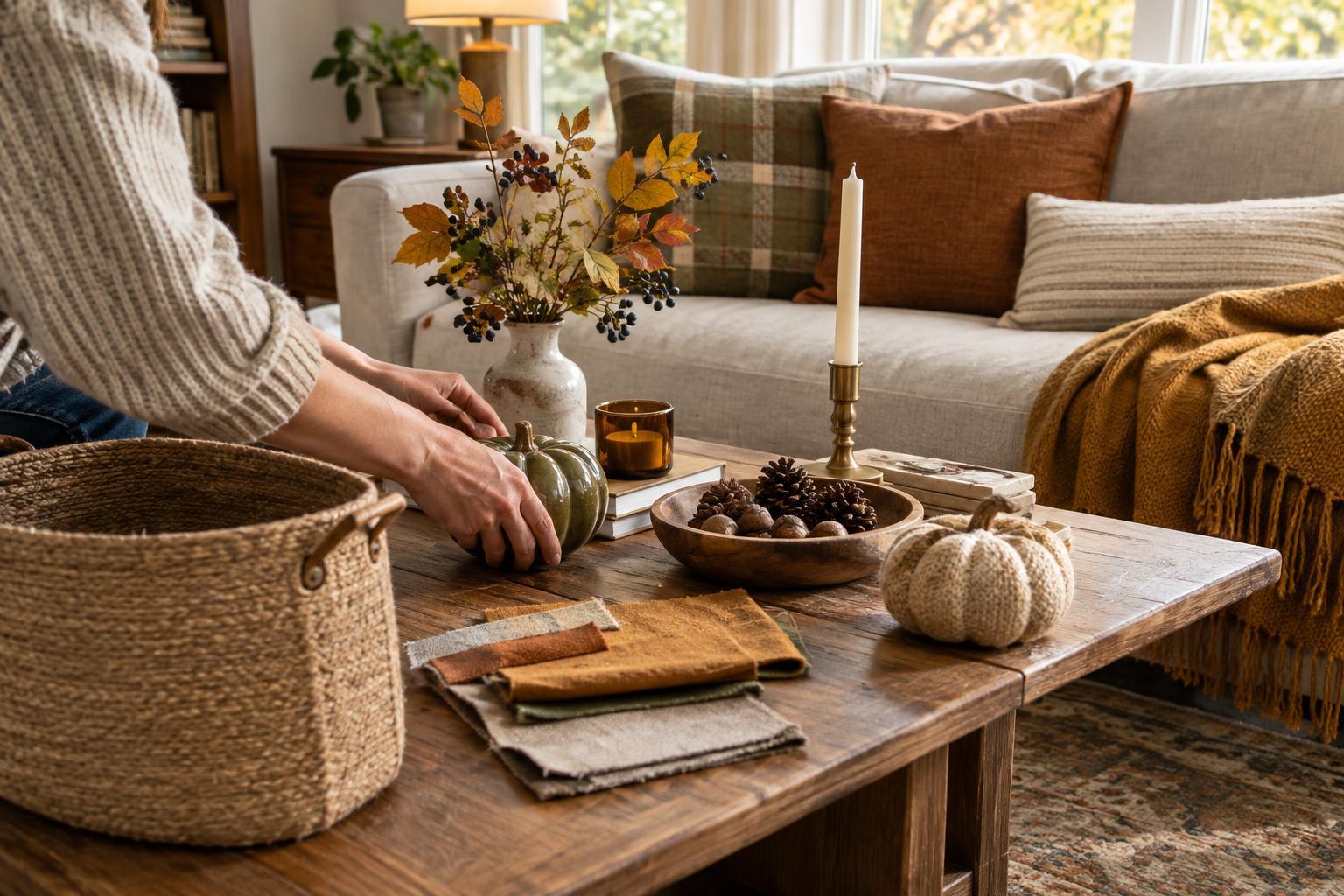
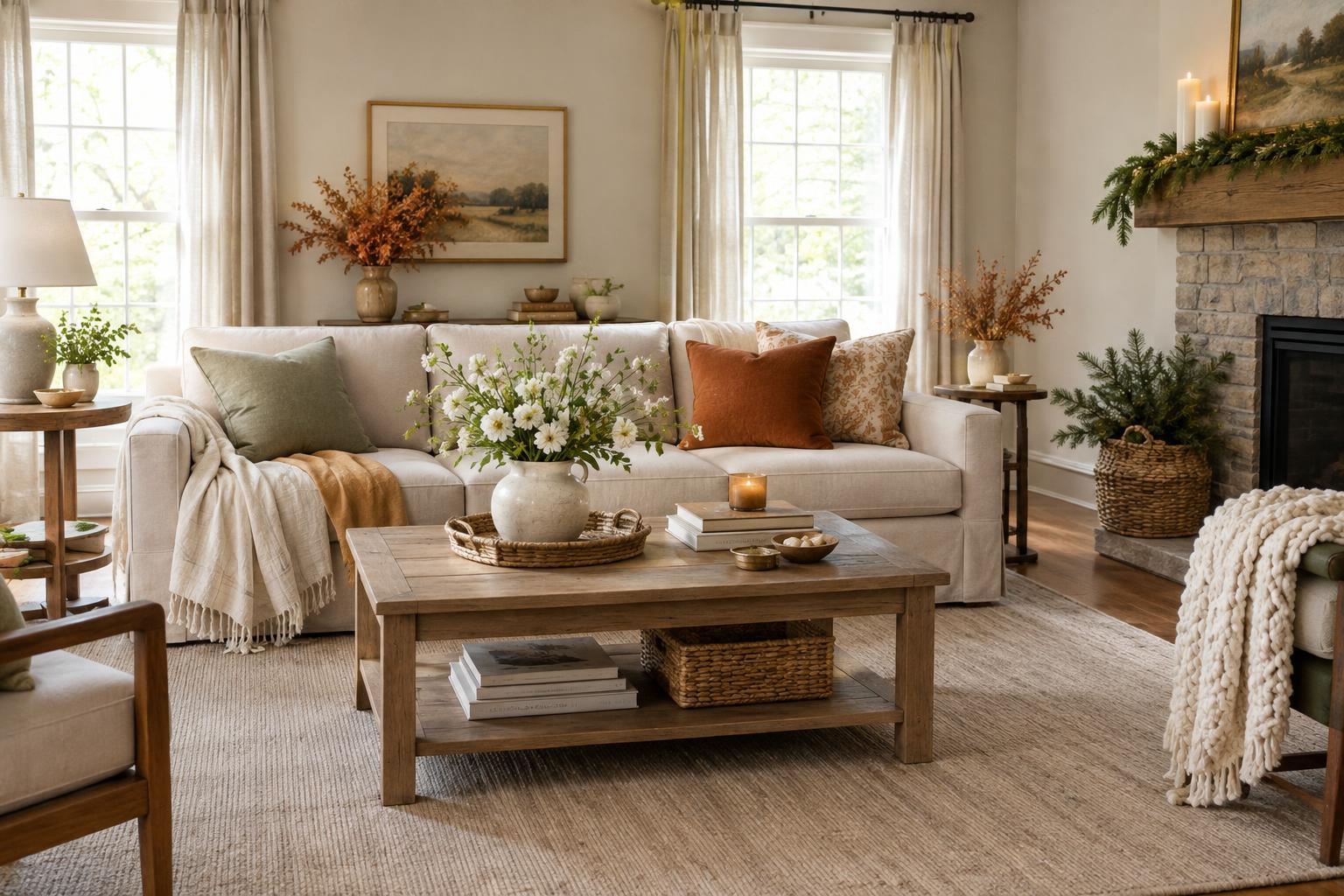
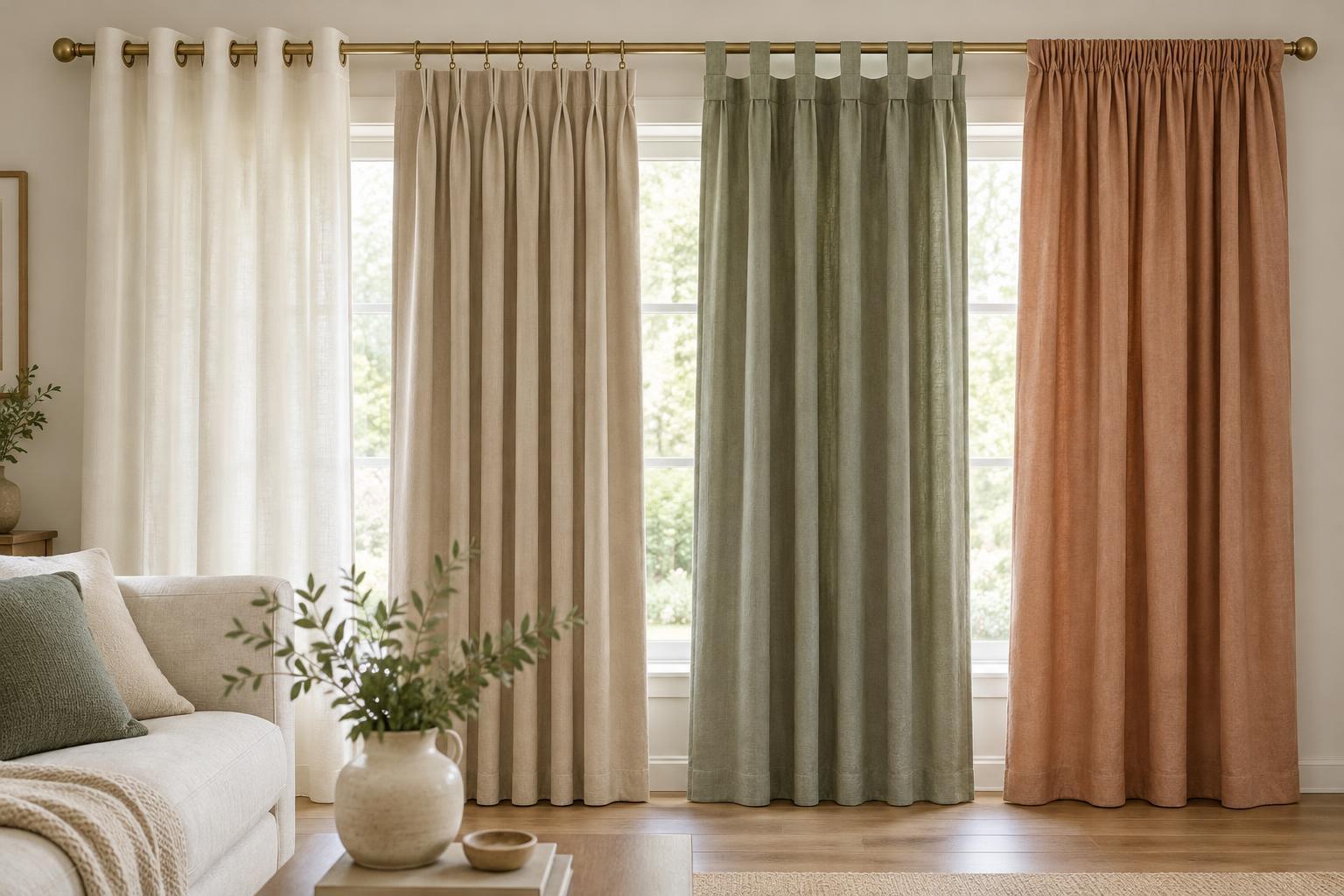
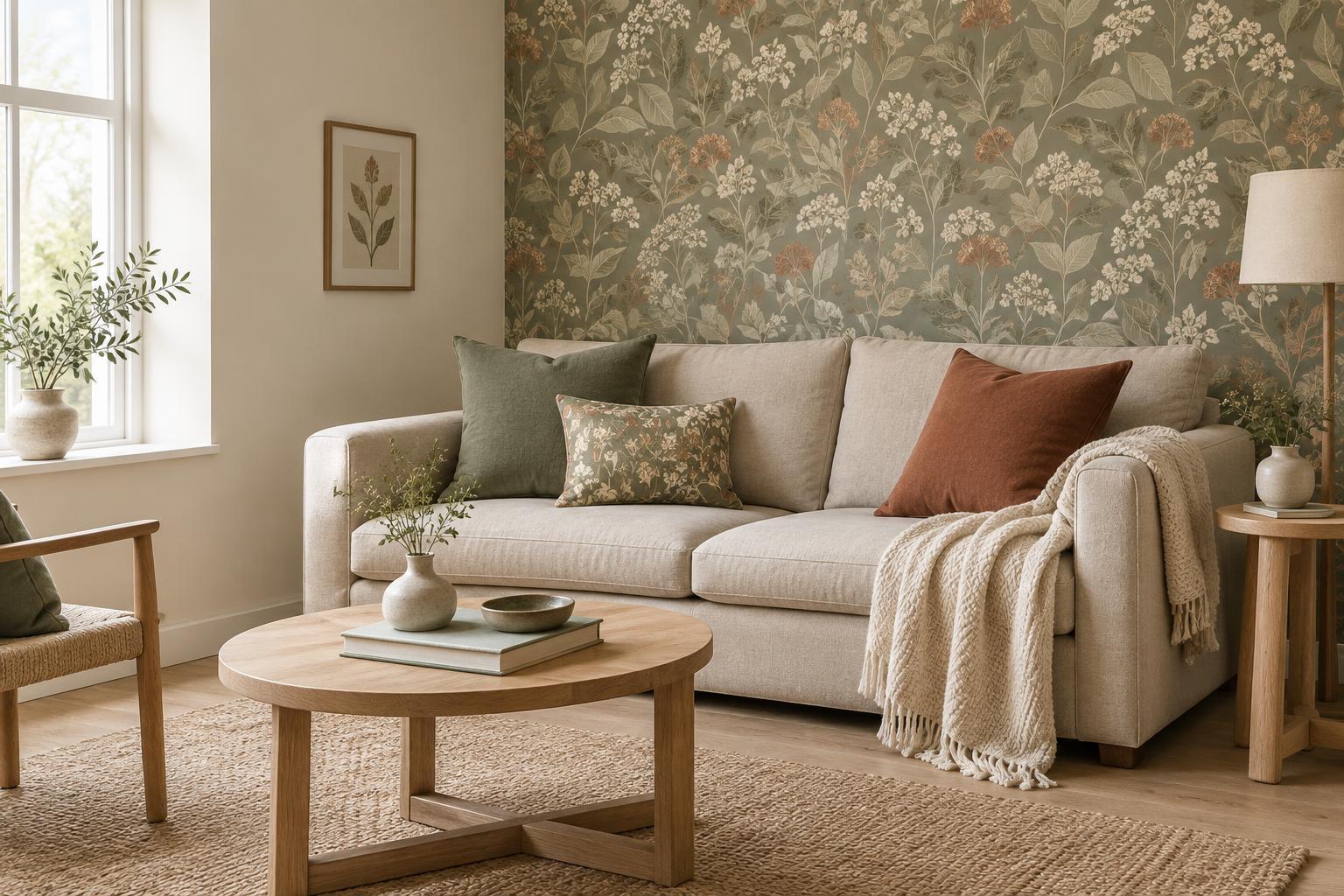
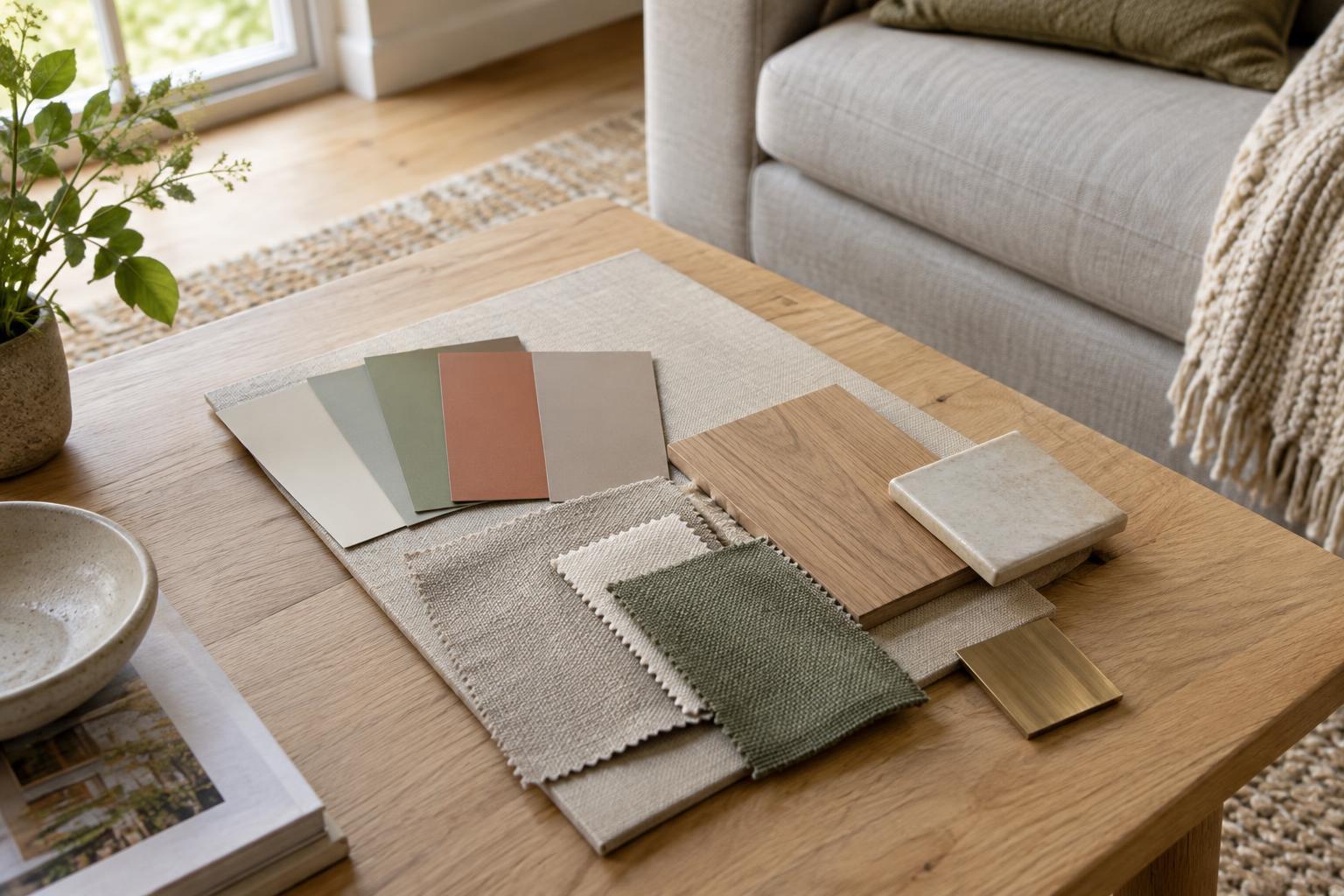
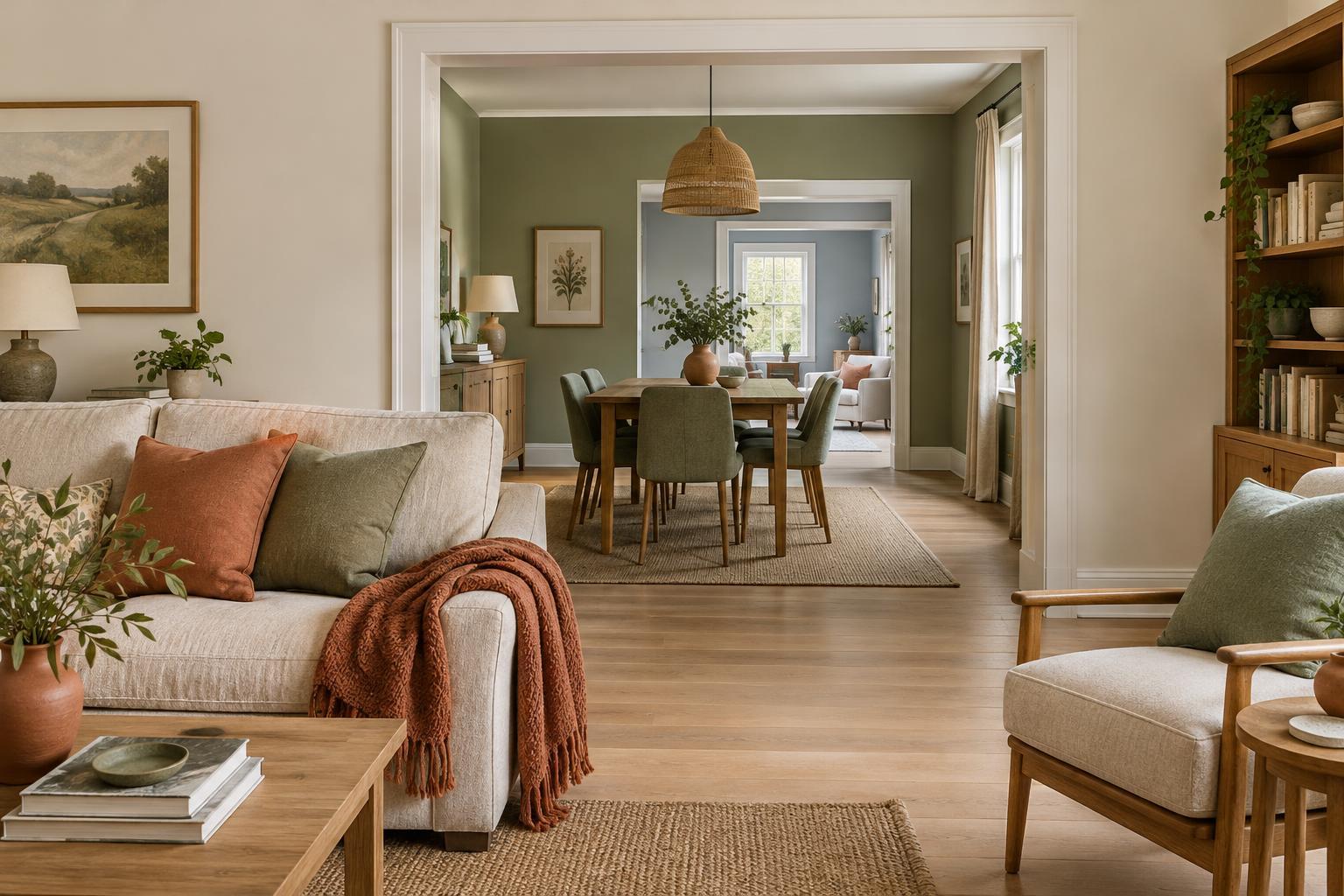
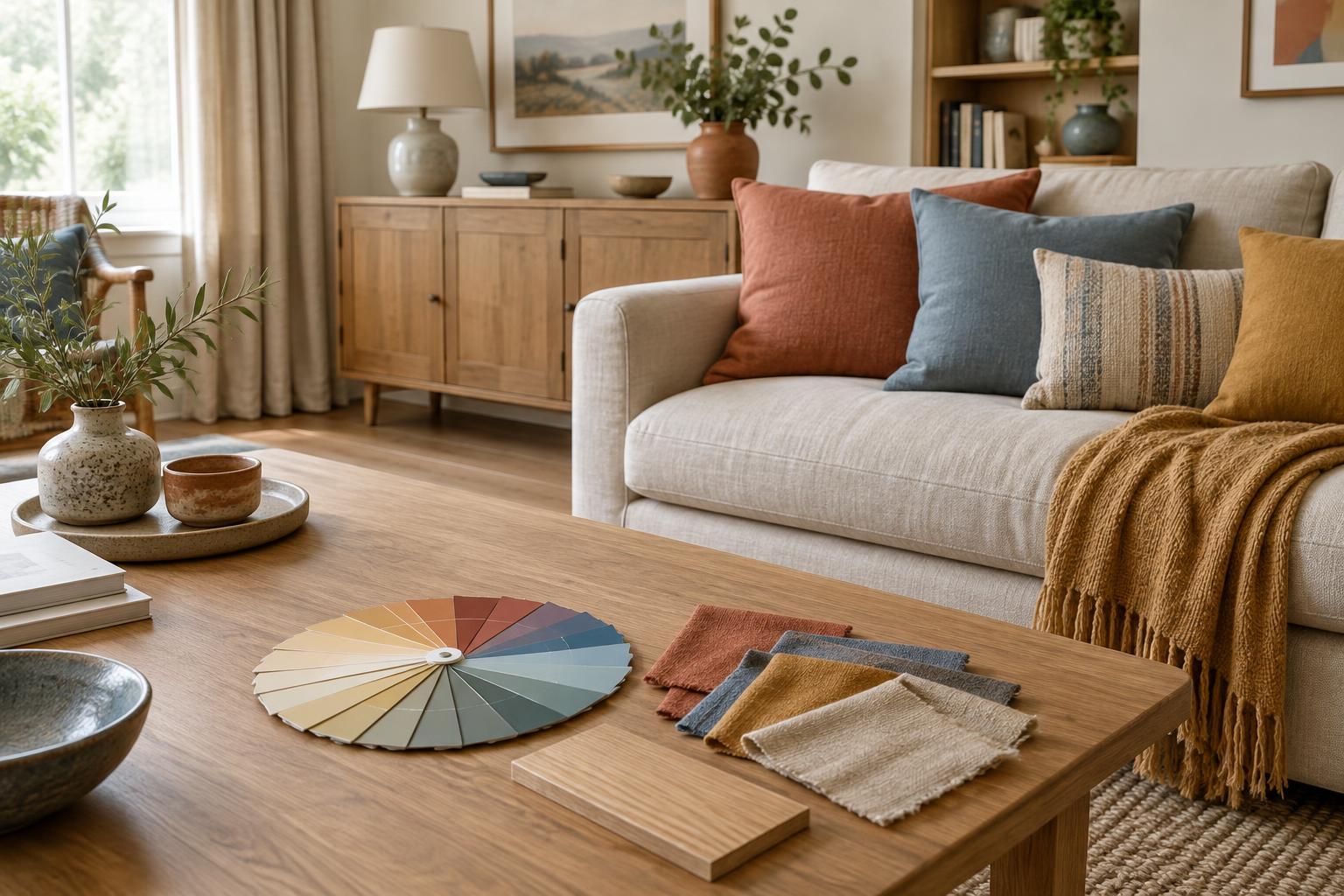
The principles behind a welcoming interior translate surprisingly well to a wardrobe. In a room, a patterned cushion can connect a plain sofa to a rug; in an outfit, a patterned scarf can connect a coat to the colours underneath. Neither detail has to match everything exactly. It helps if the tones relate, the scale feels balanced and the material suits how the space—or the outfit—is actually used.
This is a useful way to approach UniqueYou. Rather than treating each scarf as an isolated statement, begin with what is already yours: the coat by the door, the knitwear worn most often, the bag that goes everywhere. An accessory earns its place when it offers a fresh combination without demanding a new wardrobe to support it. A calm neutral may supply continuity; a brighter colour may give repeated outfits a different focal point.
The comparison has a limit worth keeping clear. A wearable scarf is not a substitute for a curtain or a sofa throw, and this guide is not suggesting home-furnishing uses for items made to be worn. It simply borrows the practical eye used in home decoration: notice colour, texture, proportion and everyday comfort before deciding what belongs in the picture.
A little context makes the collection easier to understand
UniqueYou dates its beginnings to 2014, when the project started with scarves and clothing. Its story includes a pause and a return after the domain was recovered; it should not be read as a claim of uninterrupted trading since that first year. Today the useful focus for a reader is the accessory range: women’s scarves, shawls, wraps and square scarves, with different shapes offering different ways to finish an outfit.
The visual identity gives a clue to its tone without deciding your taste for you. An original brown wordmark includes a horse motif and the words “Since 2014”, while a neutral taupe palette keeps the brand presentation restrained. That quiet frame suits accessories selected to work with clothes a woman already has. It does not mean every scarf must be subdued: a patterned square or vivid winter scarf can still be the most expressive part of an otherwise simple look.
There is also a practical reason to choose the right regional destination before browsing. The brand has 20 regional domains, 21 regional-language versions and 16 distinct languages. Some countries share a language, so those figures do not describe a separate language for every country. The United Arab Emirates accounts for two versions on one domain: an Arabic root and an English /en destination. The guide below makes each destination language explicit.
Start with the clothes that carry most of the week
Before choosing a colour, lay out three ordinary outfits rather than imagining a special occasion. Include the outer layer, because a scarf is often seen beside a coat or jacket for longer than beside the top underneath. If those outfits repeat navy, charcoal and cream, a scarf containing one of those colours will have several possible partners. If they are mostly warm brown and olive, an equally cool grey may look disconnected unless another detail bridges the gap.
Think in terms of roles. A scarf can be a quiet connector, repeating a colour already present; it can be a contrast, making a simple coat feel more deliberate; or it can be a pattern that combines two wardrobe colours that seldom meet. The first role is usually easiest to wear repeatedly. The second is useful when your clothes are mainly plain. The third can make a small wardrobe feel more coordinated without adding another garment.
This exercise also exposes purchases that look appealing in isolation but have nowhere to go. If a print calls for a colour you never wear, ask whether you genuinely want that colour near your face. If a broad wrap looks wonderful draped over a chair but would overwhelm the coats you actually use, reconsider its proportions as clothing. The aim is not to remove spontaneity, but to give it a realistic setting.
Choose material by feel and use, not by reputation
UniqueYou includes silk, cashmere and wool categories, but a category name should not be treated as a statement about every product’s full composition. Read the individual item information when fibre content matters to you. Consider the shape and weight alongside the fibre: a small square worn close to the neck behaves differently from a broad wrap placed over a jacket, even if both sit within a similar material family.
Silk can be an appealing direction when you want a scarf that folds neatly, adds a little sheen and sits comfortably with a shirt collar or tailored layer. Wool is worth considering for a more textured look alongside coats and substantial knitwear. A cashmere-category wrap may suit someone drawn to a softer-looking drape and a generous layer. These are styling starting points, not promises that any particular item will feel, perform or contain fibres in a certain way.
Use the same judgement you would apply to household textiles. A fabric that looks beautiful in a photograph still has to work in the place and season you have in mind. For a scarf, check the listed dimensions, composition and care information for the specific piece. Think about whether you want an easy fold for a bag, enough coverage to layer over shoulders, or a compact accessory that stays clear of a busy neckline.
Let colour do one clear job
Neutral does not have to mean invisible. Black beside a pale coat creates a crisp edge; cream or white beside a darker jacket can lift the face; taupe can connect warm and cool wardrobe pieces if its particular shade sits well with both. When selecting a light scarf, consider the clothes it will touch most often and the amount of contrast you enjoy. A tone that feels restful in an interior may feel too faint—or exactly right—when worn next to your face.
A coloured scarf is most versatile when you can name at least two outfits it improves. Red can animate navy, grey or camel, but its temperature matters: a clear, bright red gives a different effect from a muted brick shade. Pattern gives you another route. Checks often combine several wearable tones in one piece, while an animal-inspired print can act as the single lively detail against plain clothing. Look at the colours within a print, not just its name.
Try borrowing a simple room-styling rule: give one element the leading role and let the others support it. With a patterned scarf, keep the surrounding garments comparatively quiet if you want the pattern to read clearly. With a plain scarf, you can allow a textured coat, striped knit or noticeable earrings to take more attention. This is not a prohibition on mixing prints; it is a way to decide where the eye should land.
Match the scarf’s scale to the way you dress
A square scarf, a narrow neckerchief, a long scarf and a wide wrap solve different styling problems. A small square can introduce colour without covering a shirt or changing the outline of a jacket. A longer scarf can run vertically down an open coat, giving an outfit a more relaxed line. A wide wrap offers more visible fabric, which can be welcome with simple layers but may compete with a coat that already has a strong collar or generous cut.
Consider the knot as part of the silhouette. A close, tidy tie feels different from a loose drape, just as a firmly placed cushion feels different from a soft throw falling over an armchair. If you prefer uncomplicated dressing, choose a shape you can arrange in a way that feels natural to you. A scarf that needs constant adjustment may be less useful than one that looks good with a simple fold and an ordinary coat.
Head scarves deserve their own practical thought. The colour and pattern are important, but so are the dimensions and how you intend to tie the piece. A style that works as a decorative hair accent may not provide the coverage someone expects from a larger square. Check measurements rather than assuming that every item described as a scarf will serve the same purpose.
Give a scarf as a gift without guessing an entire wardrobe
A scarf makes a thoughtful present because it can fit into an existing set of clothes without asking the recipient to change their style. Begin with observation rather than a guess about what is fashionable. What coat do they reach for? Do they wear small accessories close to the neck, or prefer loose layers? Are their favourite colours clear and bright, softly muted, or almost entirely neutral? One reliable clue is worth more than a long list of imagined preferences.
If you know little about the recipient’s taste, restraint can be kind. A versatile colour and a shape similar to something they already wear may be safer than a dramatic print chosen because it photographs well. If you know they enjoy expressive accessories, a check or distinctive pattern might be a more personal choice. Either way, look at the actual product details, including dimensions, composition and care guidance, before deciding whether it suits the person and occasion.
Presentation can underline the thought behind the gift without making claims about the item. A short note explaining why you chose its colour—perhaps it recalls their favourite coat or a shade they often wear—makes the choice feel specific. You do not need to promise that a fabric is universally suitable or that a scarf will go with everything. A good gift leaves the recipient room to wear it their own way.
Build a small accessory edit rather than a pile of options
If you are refreshing your own wardrobe, start by identifying gaps rather than counting scarves. Perhaps you have several decorative squares but nothing to wear with a winter coat. Perhaps every scarf you own is dark, leaving no lighter accent for a navy jacket. A useful edit might include one dependable neutral, one colour or pattern you genuinely enjoy, and a shape suited to a different season or neckline. It need not follow a fixed formula.
Review the edit the way you would review a room after changing its textiles. Do the pieces offer different functions, or do several do the same job? Can you picture each one with clothes you already wear? Are the materials and sizes appropriate for the intended setting? A simple comparison protects against buying a near-duplicate just because it is attractive on its own. It also makes room for a bold piece when that piece has a clear role.
Finally, allow your taste to matter more than a perfect palette chart. Some people enjoy close tonal combinations; others like a sharp contrast. A scarf can make a familiar outfit feel more finished without making it formal, or more playful without replacing its comfortable base. UniqueYou is most helpful approached with that flexibility: browse the relevant shape, inspect the particular item, and choose the detail that feels at home in your life.
Regional guide: choose the country and destination language
The destinations below are organised by country and language rather than by an assumed universal shop. Each local term points towards a particular style or category; the brand entry provides broader orientation where available. Choose the language you want to browse, then assess individual scarves against the colours, proportions and product details that matter to you.
Poland — Polish
For the Polish-language destination, begin with the local brand entry — UniqueYou. If a check could bring together the plain coats and knitwear you already own, the Polish term for elegant checked scarves leads to that category — eleganckie szaliki w kratę UniqueYou. Look for a check whose quieter colours repeat elsewhere in your wardrobe, so the pattern has an easy point of connection.
Germany — German
In the German-language destination, the brand entry is UniqueYou. For a dark, versatile accent, the local term for a black scarf leads to a focused category — schwarzer schal UniqueYou. If you prefer a smaller piece to tie near a shirt collar or jacket neckline, the German-language silk neckerchief category is here — UniqueYou. Compare the listed dimensions before choosing between those different looks.
Czechia — Czech
For the Czech-language destination, start at UniqueYou. The Czech term for wool scarves takes you towards a more textured accessory category — šály z vlny UniqueYou, which may be useful when planning outfits around coats. The broader Czech-language scarf category is UniqueYou. Decide whether you want warmth as a styling consideration or a lighter-looking finishing detail, then check each item’s information.
Spain — Spanish
The Spanish-language brand destination is UniqueYou. If your interest is in tying a scarf around the head or hair, the local term for head scarves leads to that selection — pañuelos para la cabeza UniqueYou. Before choosing a print for a particular outfit, compare the piece’s measurements with the way you intend to fold and tie it; colour alone cannot tell you how much coverage it offers.
France — French
In the French-language destination, find the brand entry at UniqueYou. For a print that can take the leading role beside plain knitwear or a simple coat, the French term for a leopard scarf leads to a focused category — foulard léopard UniqueYou. Notice whether the print’s background is warm or cool before deciding which of your existing neutrals it will complement.
Hungary — Hungarian
The Hungarian-language brand entry is UniqueYou. The local term for women’s cashmere scarves leads to a category for readers considering that material direction — női sálak kasmírból UniqueYou. A generous-looking scarf can change the balance of a coat as much as its colour does, so check the particular item’s size and composition rather than relying on the category label alone.
Italy — Italian
For the Italian-language destination, begin at UniqueYou. The Italian term for large women’s winter scarves leads to a category aimed at a more substantial seasonal layer — sciarpe donna invernali grandi UniqueYou. If you usually wear a tailored coat, picture how much fabric you want near its lapels; a relaxed wrap and a compact neck accent create quite different outlines.
Romania — Romanian
The Romanian-language brand entry is UniqueYou. The local term for women’s silk scarves points towards a silk-focused category — esarfe dama matase UniqueYou, while the Romanian-language scarf category offers another starting point — UniqueYou. For a gift, consider whether the recipient prefers a neat fold near the neckline or a longer drape over outerwear before comparing individual items.
Slovakia — Slovak
In the Slovak-language destination, start with the brand entry — UniqueYou. The local term for an elegant cotton neck scarf leads to a more specific category — elegantná bavlnená šatka na krk UniqueYou. A neck scarf can add a small, deliberate colour note to a plain shirt or jacket; check the listed material and measurements of the particular piece if those details guide your choice.
Finland — Finnish
For the Finnish-language destination, the brand entry is UniqueYou. The local term associated with browsing a scarf shop leads to the scarf category — huivi verkkokauppa UniqueYou. If you are still deciding between a quiet neutral and a more visible pattern, use your most-worn outer layer as the reference point; it will usually reveal which option has more opportunities to be worn.
Sweden — Swedish
The Swedish-language brand destination is UniqueYou. The local term for an elegant white scarf leads to a light-coloured category — elegant vit halsduk UniqueYou. White can create a fresh edge against dark outerwear, but the overall effect depends on the scarf’s texture and the shade of the clothes beside it. Consider those relationships before making a light accessory your regular choice.
Denmark — Danish
In the Danish-language destination, begin at UniqueYou. The local term for a hair scarf leads to pieces to consider for head or hair styling — hår tørklæde UniqueYou. If a smaller accent is more useful for your usual collars or bag-sized carry, the Danish-language small-scarf category is UniqueYou. Check dimensions for the tie you have in mind rather than assuming the two categories serve identical purposes.
Belgium — Dutch
This is the Dutch-language destination for Belgium, with the brand entry at UniqueYou. The local term for a women’s white scarf leads to a light-scarf category — witte sjaal dames UniqueYou. For a different silhouette, the Dutch-language stole category is UniqueYou. A narrow scarf and a broader stole can each brighten dark clothes, but they occupy different amounts of space around the shoulders.
Austria — German
The German-language destination for Austria begins at UniqueYou. The local term for a women’s wool scarf leads to a wool-scarf category — Schal aus Wolle für Damen UniqueYou. If colour is the deciding detail instead, the German-language red-scarf category is UniqueYou. Use your coat’s tone to decide whether you want a grounded textured layer or a clearer colour accent, then inspect the item details.
Netherlands — Dutch
For the Dutch-language destination in the Netherlands, start at UniqueYou. The local term for an elegant stole leads to that broader accessory shape — elegante stola UniqueYou, while the Dutch-language wool-wrap category is UniqueYou. Think about the amount of fabric you enjoy wearing over your regular layers: a wrap may feel like a different styling decision from a small scarf.
United States — English
In the English-language United States destination, the brand entry is UniqueYou. If your wardrobe calls for a compact accent rather than another large layer, the local term for a women’s neckerchief leads to that category — neckerchief ladies UniqueYou. Picture it with the collars you wear most often and check its dimensions before settling on a colour or print.
United Arab Emirates — Arabic
This is the Arabic-language destination for the United Arab Emirates: the brand entry at the Arabic root is UniqueYou. If Arabic is the language you want to browse, use that entry as your starting point. The same country also has a separate English-language version below; the two entries describe language choices on one regional domain, not two countries.
United Arab Emirates — English
This is the English-language destination for the United Arab Emirates, reached through /en. The English term for a scarf and shawl brand leads to that version — scarf and shawl brand UniqueYou. It offers a language alternative to the Arabic root. Once there, choose between a compact scarf and a broader shawl according to how you usually layer your clothes.
Ireland — English
The English-language destination for Ireland begins at UniqueYou. The term for a women’s silk scarf leads to a silk-scarf category — women's silk scarf UniqueYou, while the cashmere-wrap category is UniqueYou. These are different starting points for someone choosing a gift: one may suit a recipient who likes a small finishing detail, the other someone who often wears broader layers.
United Kingdom — English
In the English-language United Kingdom destination, start with UniqueYou. The term for women’s wool scarves leads to a wool-scarf category — ladies wool scarves UniqueYou, and the cashmere-scarf category is UniqueYou. Rather than choosing by material name alone, compare the individual composition, size and care information with the coat and knitwear you expect to wear alongside the scarf.
Portugal — Portuguese
The Portuguese-language brand entry is UniqueYou. The local term for an elegant red scarf leads to a stronger colour option — cachecol vermelho elegante UniqueYou, while the Portuguese-language white-scarf category is UniqueYou. Red can become the focal point of a restrained outfit; white can provide contrast more quietly. Let the colours already in your wardrobe decide which role you need.
The most satisfying accessory choice begins with clothes you already enjoy wearing. Choose a regional language, look closely at the particular scarf’s colour, shape and details, and let it add something useful to a wardrobe that already feels like yours.
 Seasonal Decorating