Start by deciding what deserves attention
When a room feels unfinished, the temptation is to add something to every bare wall, table and corner. Before doing that, stand at the entrance and notice where your eye goes first. It might be a window, a sofa, a bed or a piece of art. Choose one area to give a little more attention. If every surface competes to be the focal point, even attractive objects can get lost.
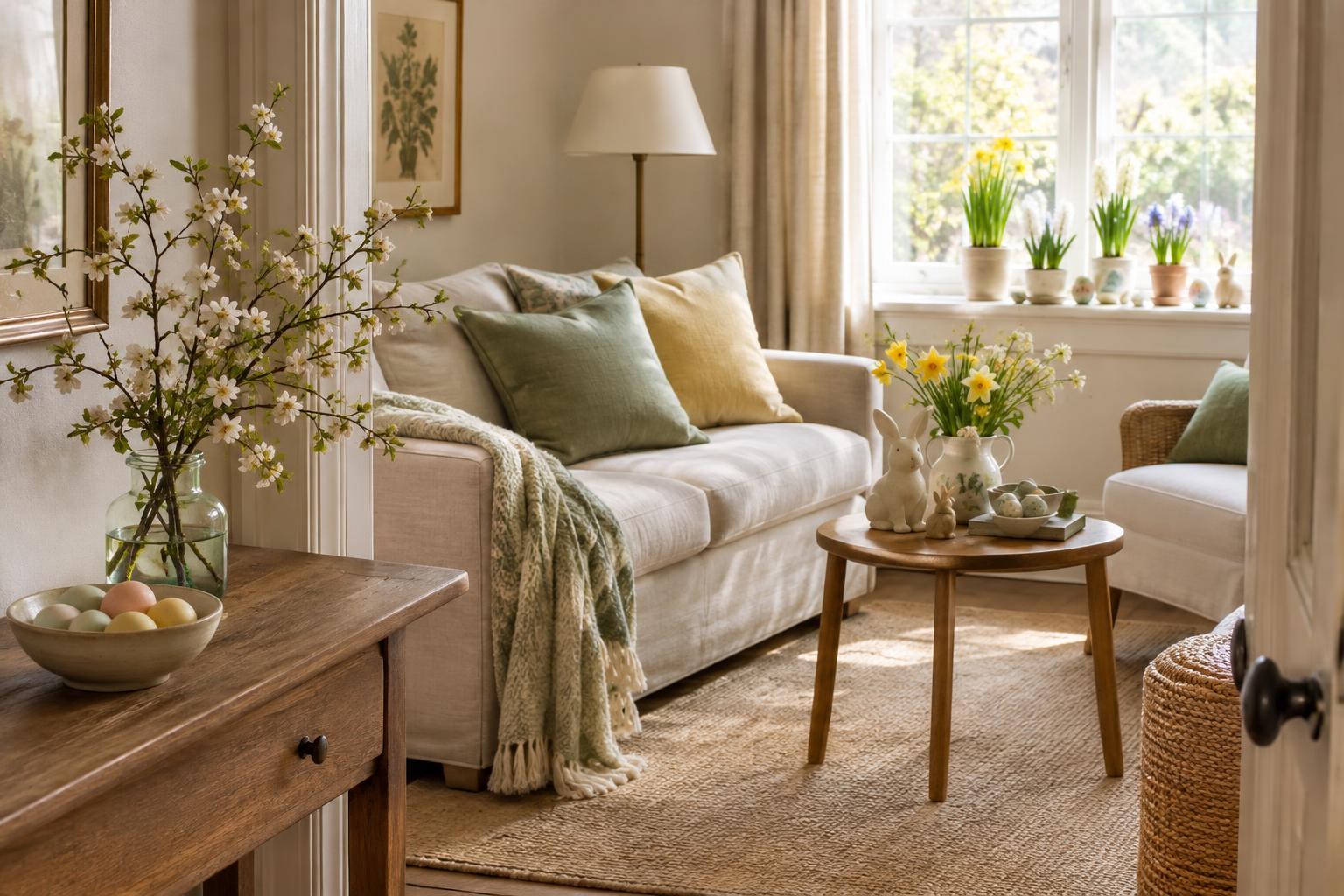
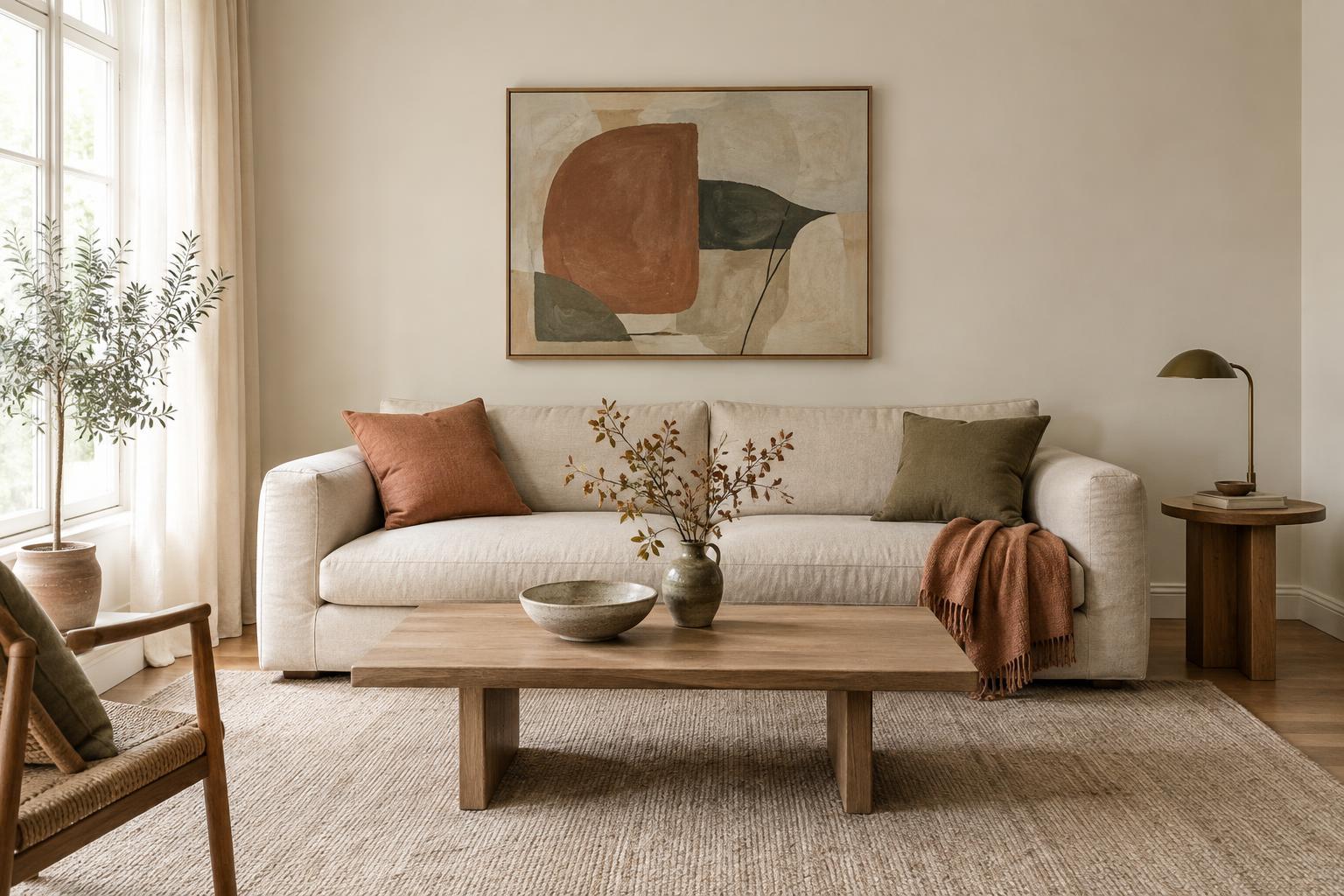
Look at what the room already offers. A sofa might need a lamp beside it and a cushion that picks up a colour elsewhere in the space. A bed might look settled with neatly arranged pillows and a throw at the foot. These small choices can make the main area feel intentional without requiring a matching collection of accessories.
Leave useful space around the details
Empty space is not always a gap to fix. A clear section of wall gives artwork room to be seen; an uncluttered tabletop leaves space for a cup or a book. Try removing a few objects from a busy surface and looking at it from across the room. You may find that the pieces you keep have more presence when they are not surrounded by others.
Give each surface a purpose before decorating it. A side table used every evening needs room for practical items, while a shelf can hold a more considered display. On a coffee table, a small group of objects may be enough if the rest of the surface remains usable. The aim is not to keep everything bare, but to let the room support daily life.
Repeat a few details across the room
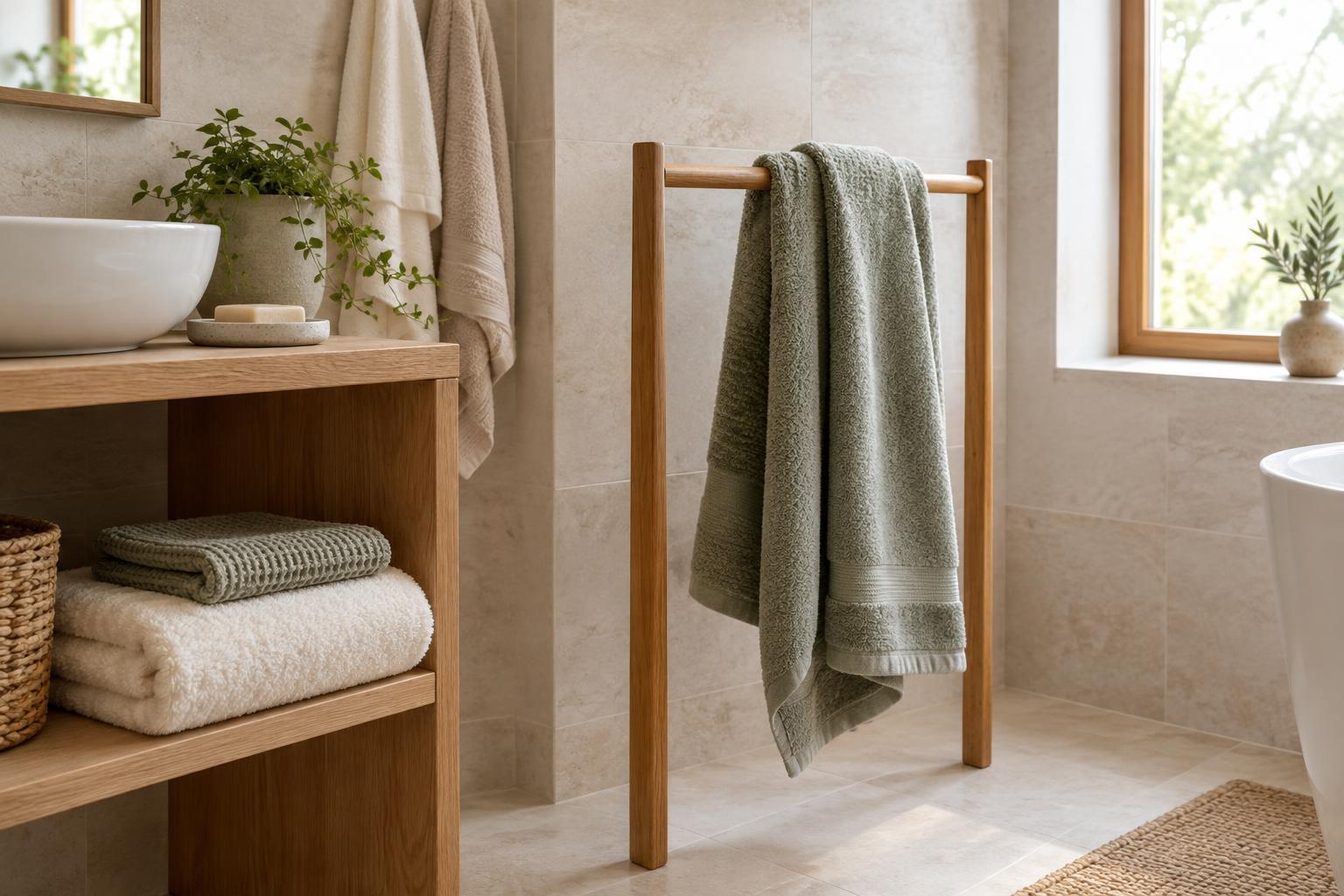
A finished room often has a sense of connection between its parts. You can create this by repeating a colour, material or shape in a few places. A warm tone in a cushion might appear again in a print or a ceramic bowl. A rounded mirror could relate to the curve of a lamp or vase. The repetitions need not be identical; a loose relationship usually feels more natural than a set of matching pieces.
Choose just one or two threads to follow. Too many repeated colours or patterns can make the room feel busy again. If you are unsure what to use, begin with an item you want to keep, such as a rug or curtains, and pick out a subtle detail from it. Bring that detail into another part of the room, then pause before adding more.
Use comfort as the final test
A room can look arranged yet still feel incomplete if it is awkward to use. Sit where you normally sit. Is there enough light to read? Can you set something down? Do you want a softer texture nearby? A lamp, a throw or a more convenient place for everyday items may do more for the room than another purely decorative object.
Finally, look at the room at different times of day and while it is being used. Decorations should not make ordinary routines harder. If an object is always moved out of the way, give that spot a different job. A room feels finished when its details support its purpose, its most important features have room to stand out, and you can comfortably live in it.