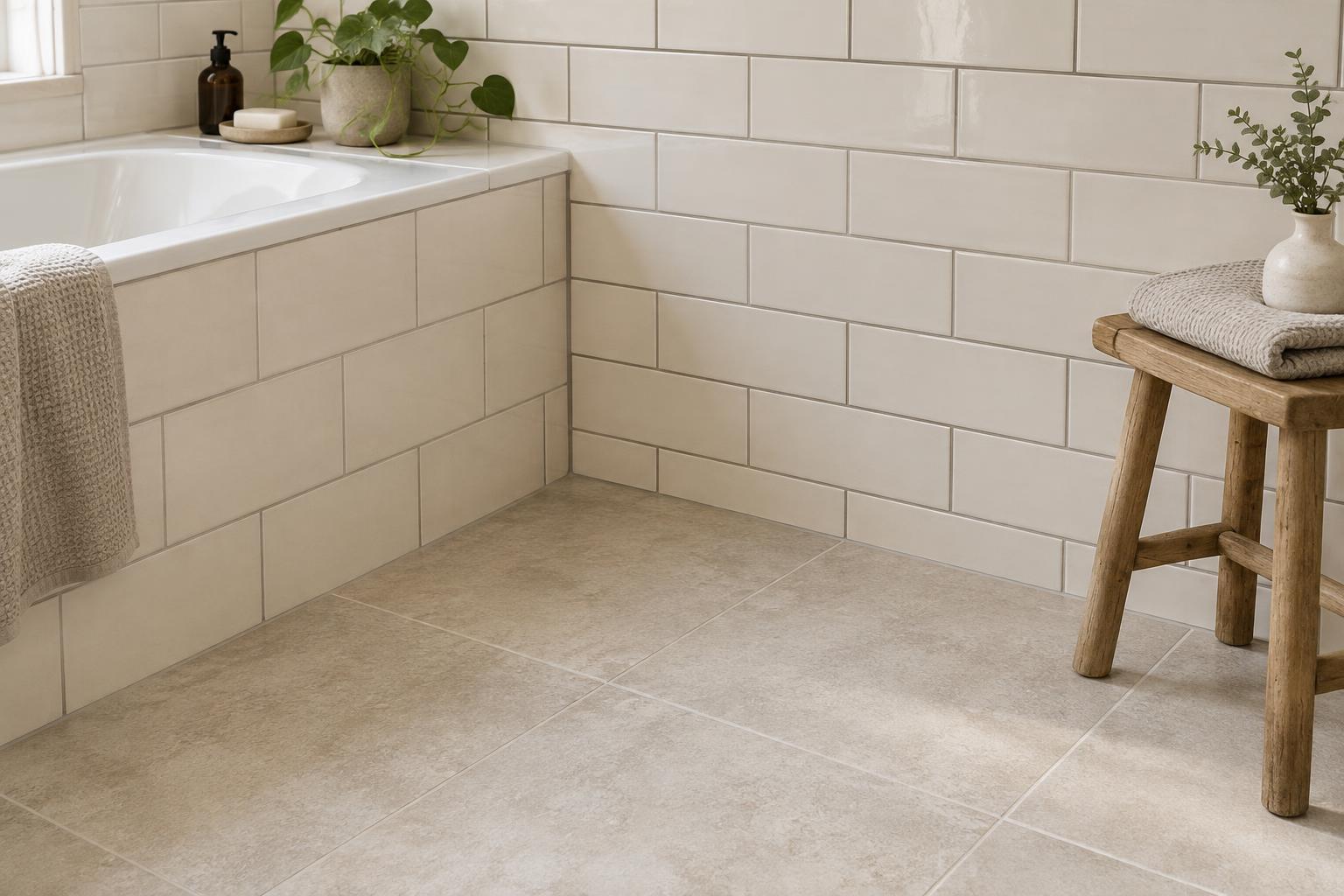
Colour and MaterialsGrout can make a tiled surface look calm and continuous or bring every tile into focus. Learn how to compare close matches and contrasting colours, check samples in your room, and make a choice that suits the tiles and the space.
Read article · 4 min↗
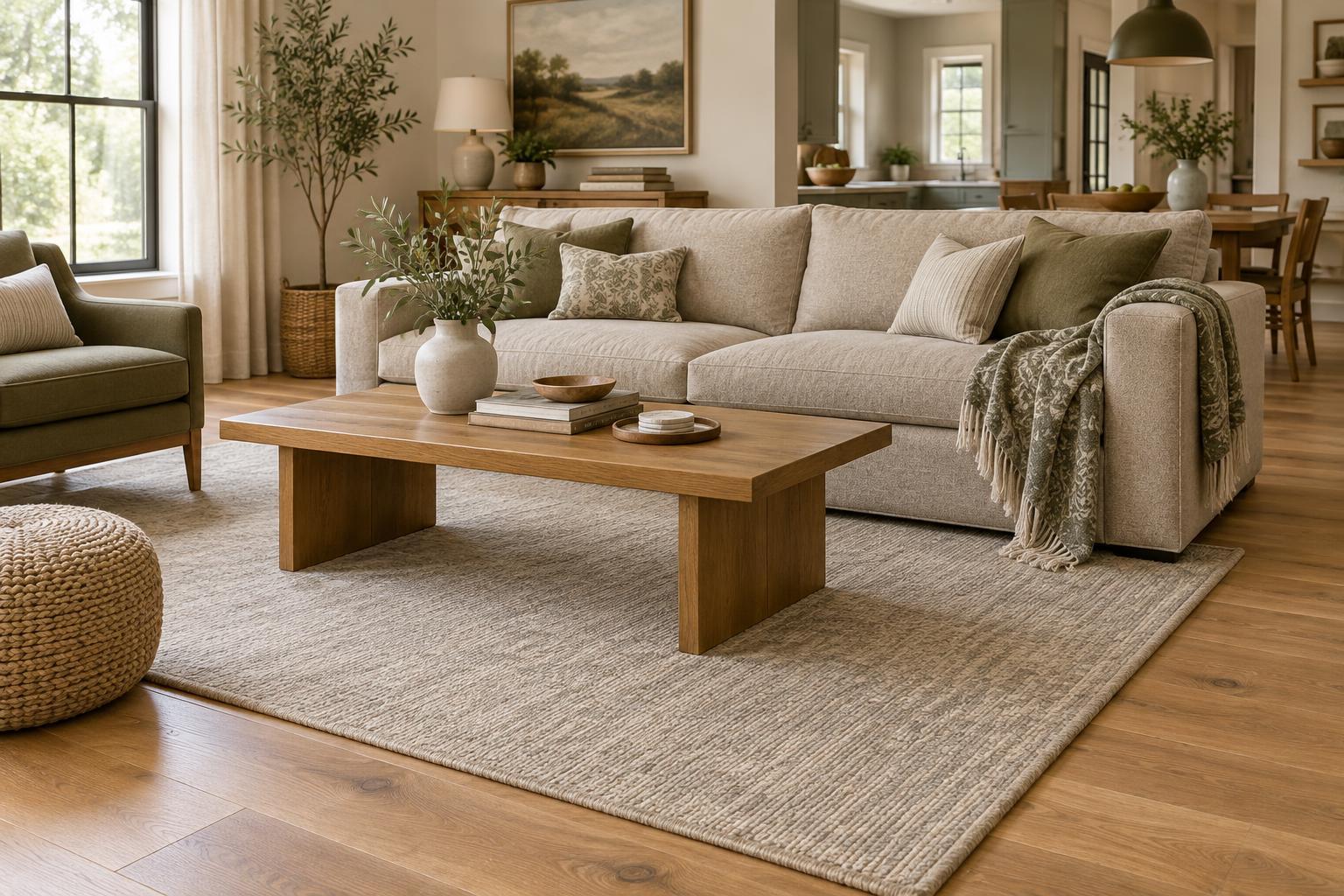
Colour and MaterialsA busy room can be welcoming without demanding constant upkeep. Learn how to compare flooring, upholstery, surface finishes and colours by looking at everyday wear, cleaning needs and the way each material feels in your space.
Read article · 4 min↗
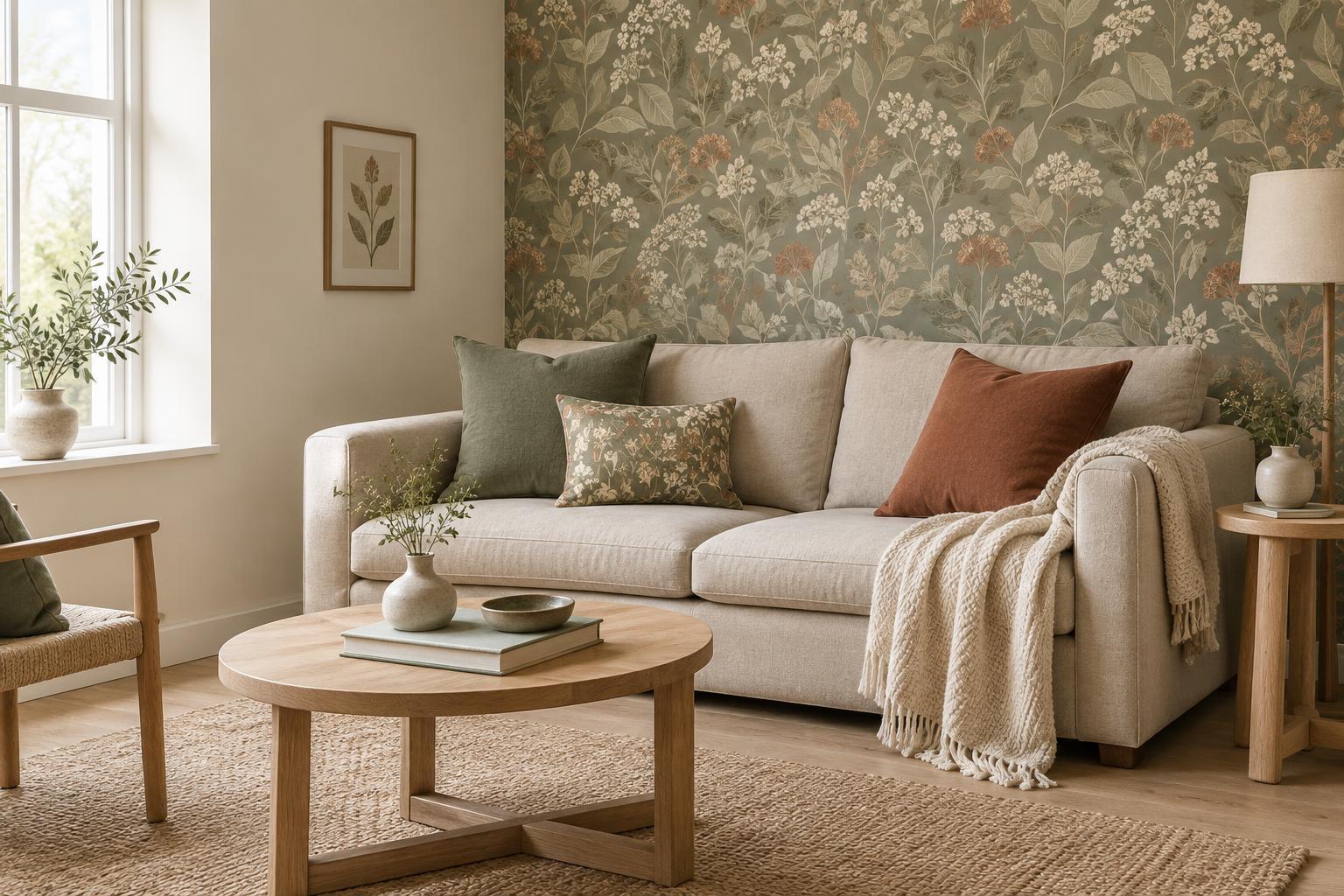
Colour and MaterialsPatterned wallpaper, tile or upholstery can give a room character, but it needs space to breathe. Learn how to choose supporting solid colours, balance pattern scale and test combinations before committing.
Read article · 4 min↗
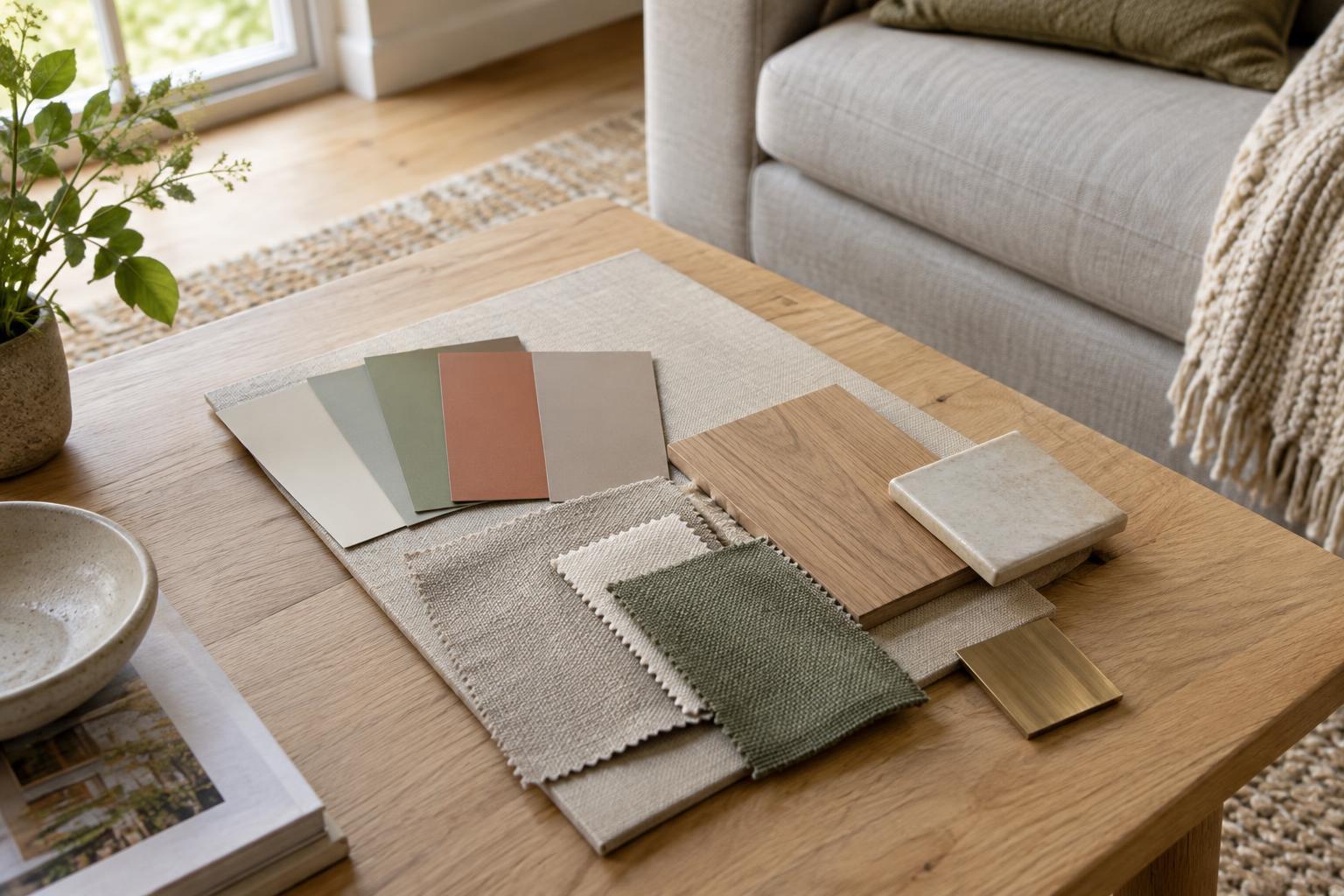
Colour and MaterialsA sample board brings paint colours, fabrics, finishes and existing pieces together before you commit to a room scheme. Learn what to collect, how to arrange it and how to test the combination in your own space.
Read article · 4 min↗
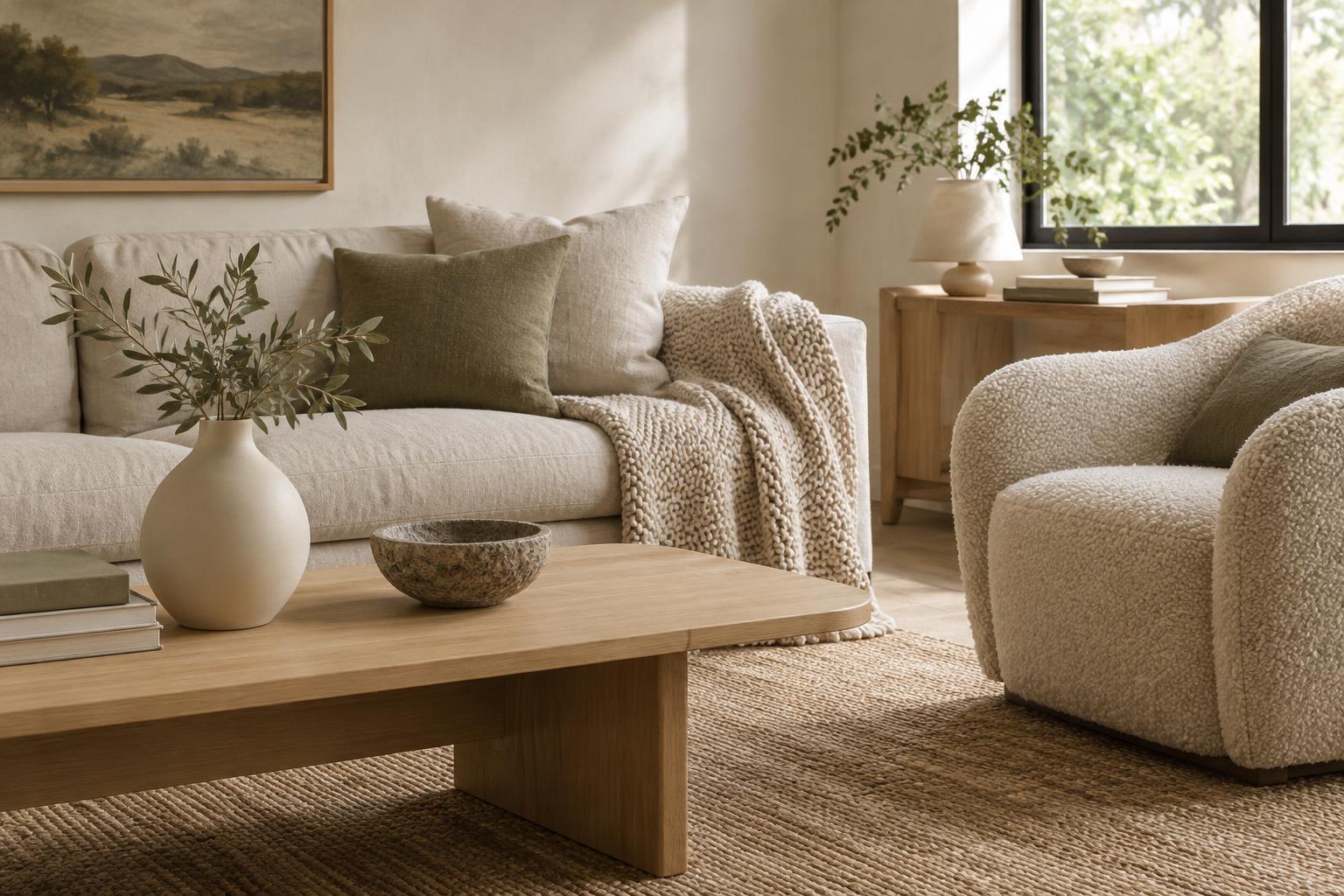
Colour and MaterialsSmooth surfaces can make a room feel calm and easy to clean, while rougher textures add warmth and character. Learn how to combine both through furniture, textiles and small decorative details without making a space feel busy.
Read article · 4 min↗
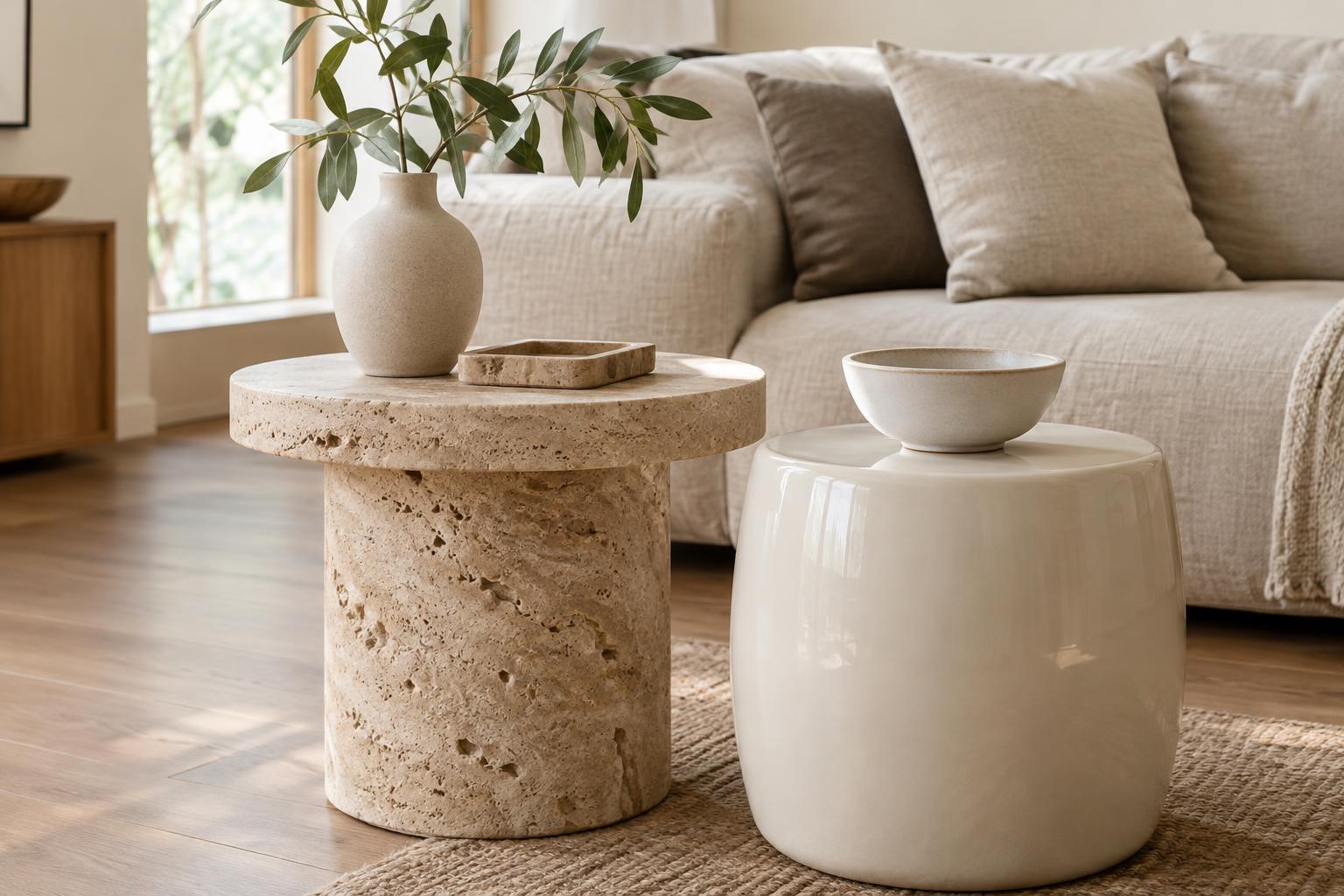
Colour and MaterialsStone and ceramic can bring a similar sense of texture to a room, but they differ in weight, finish and everyday care. Learn how to choose between them for side tables, trays, vases and other decorative pieces.
Read article · 4 min↗
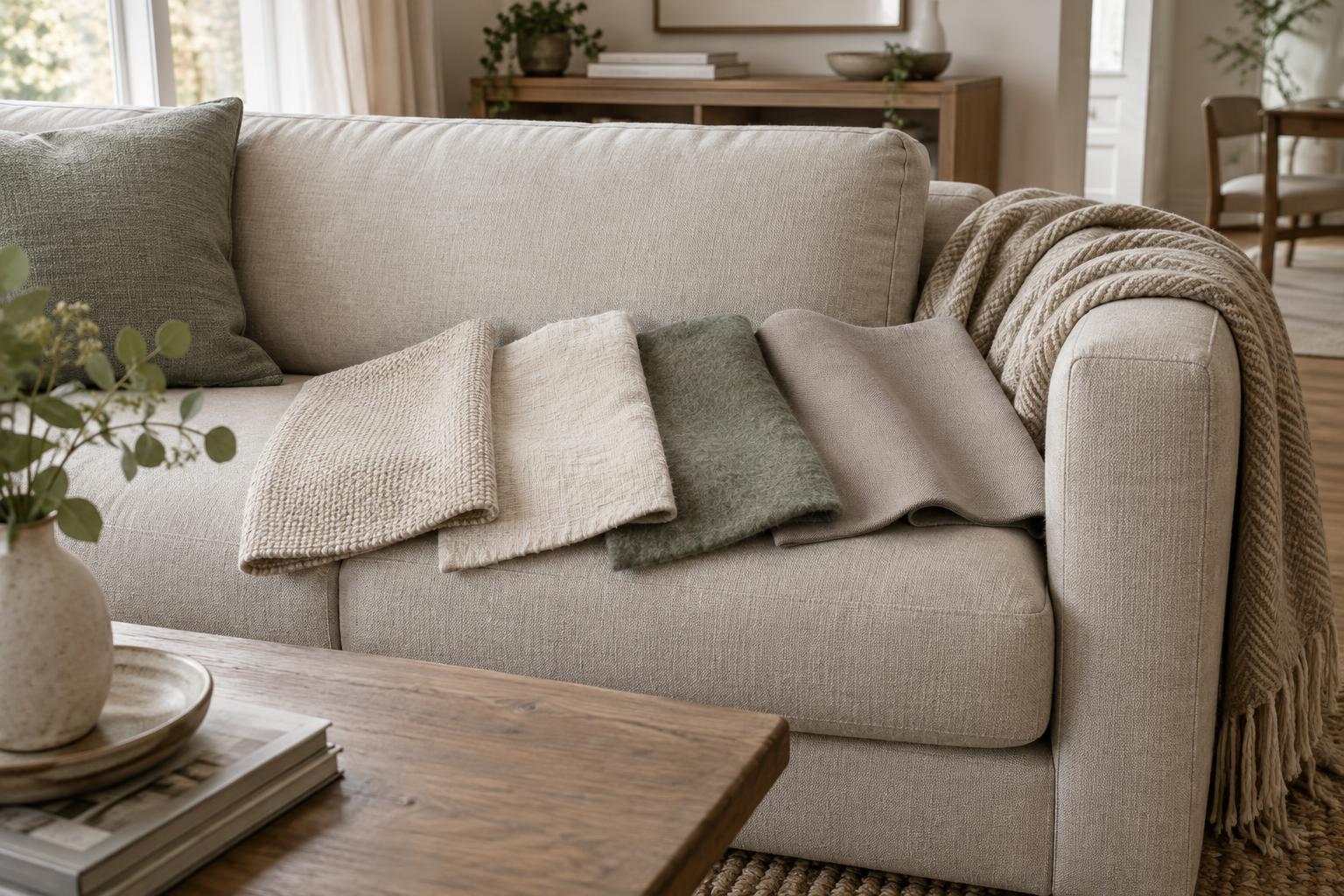
Colour and MaterialsCotton, linen, wool, polyester and other upholstery fibres bring different looks and practical considerations to a room. Learn how to compare appearance, comfort and care without overlooking the weave, finish or fabric label.
Read article · 4 min↗
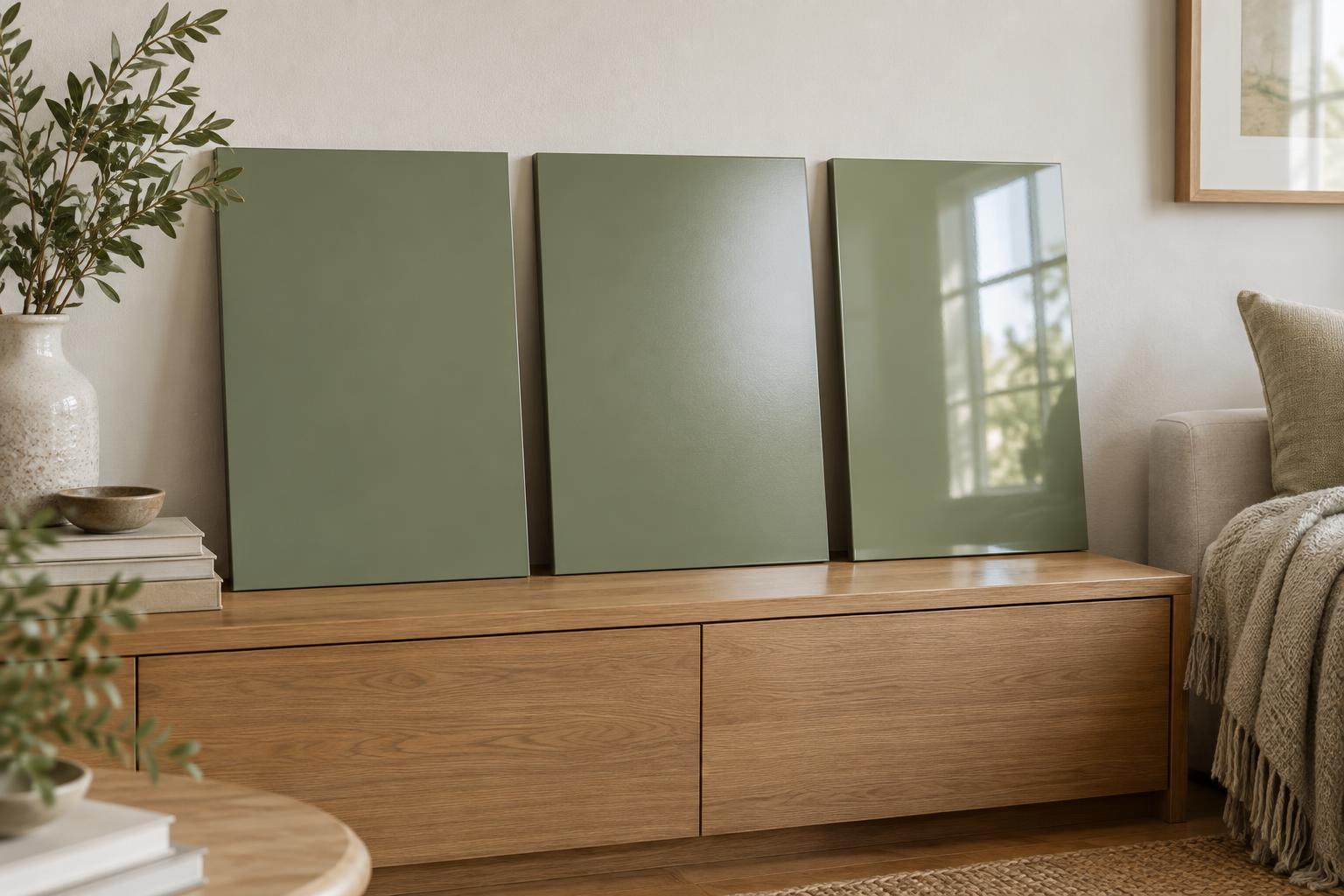
Colour and MaterialsThe same colour can feel soft, lively or dramatic depending on its finish. Learn how matte, satin and gloss affect light, texture and everyday appearance, and how to choose a finish that suits your room.
Read article · 4 min↗
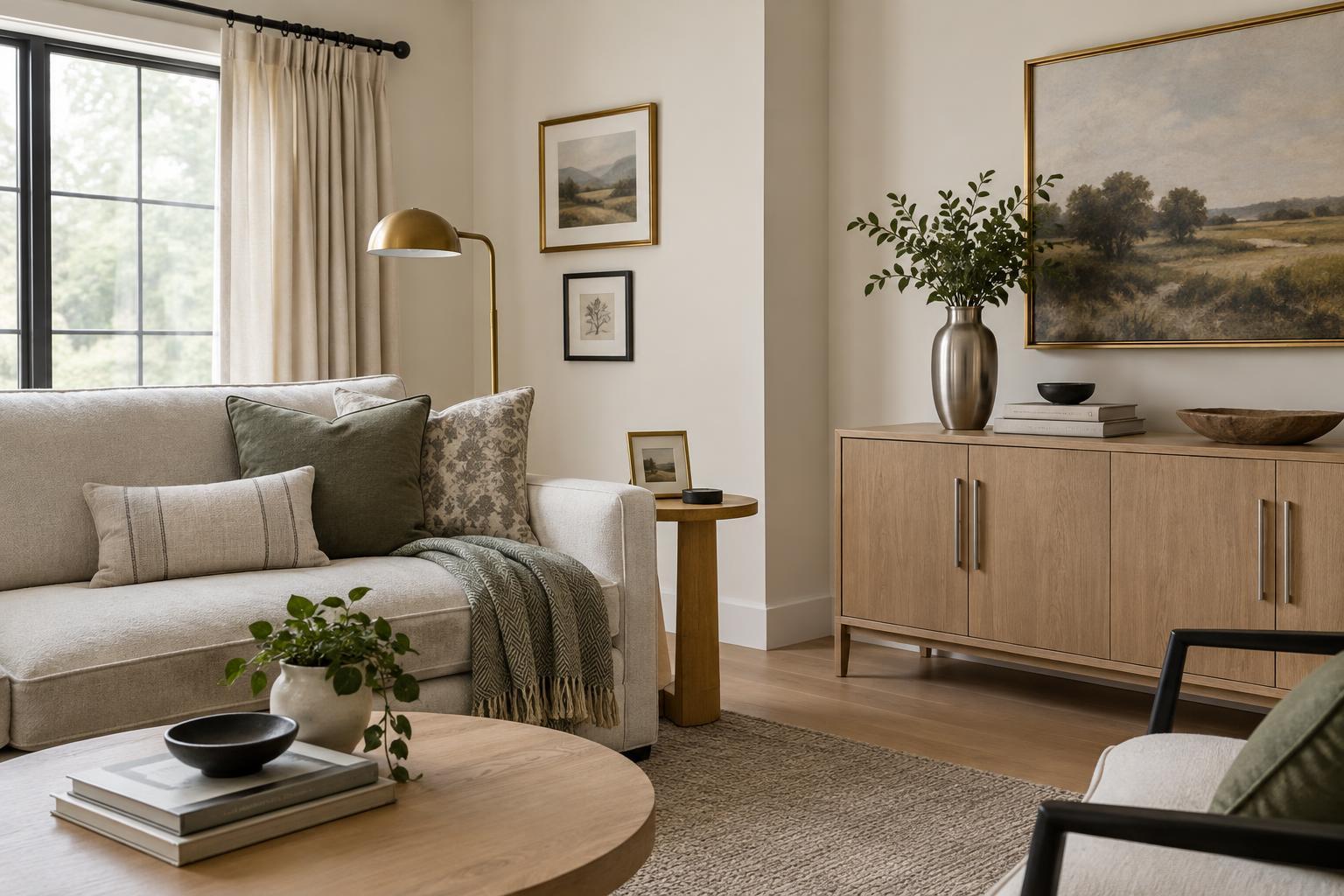
Colour and MaterialsMixing metal finishes can make a room feel layered rather than mismatched. Choose an anchor finish, repeat each metal with intention, and consider how colour, sheen and placement work together.
Read article · 4 min↗
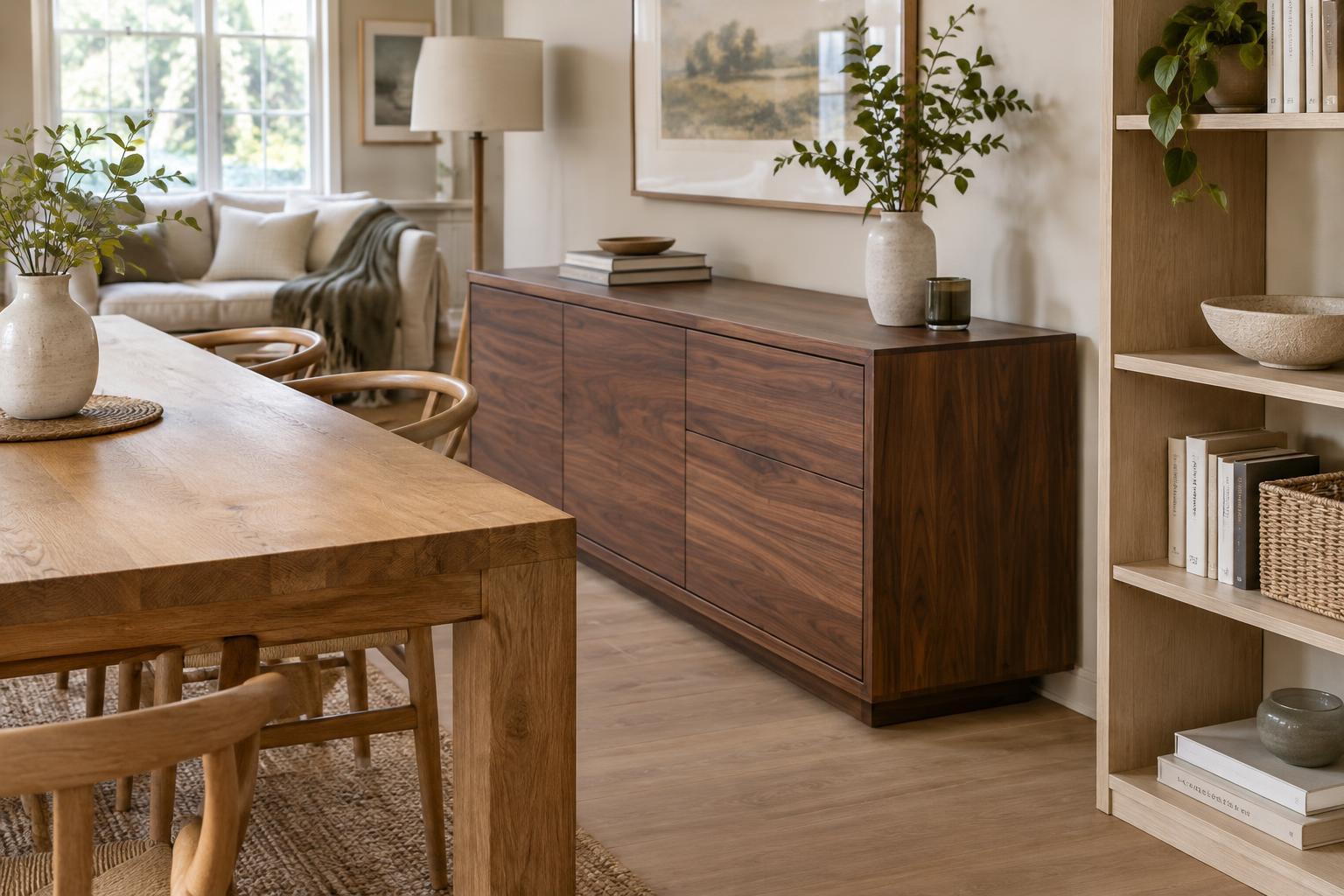
Colour and MaterialsSolid wood, wood veneer and laminate can all look at home in a well-styled room, but they differ in construction, upkeep and how they age. Learn what to look for when choosing a table, cabinet or shelf that suits both your space and your everyday habits.
Read article · 4 min↗
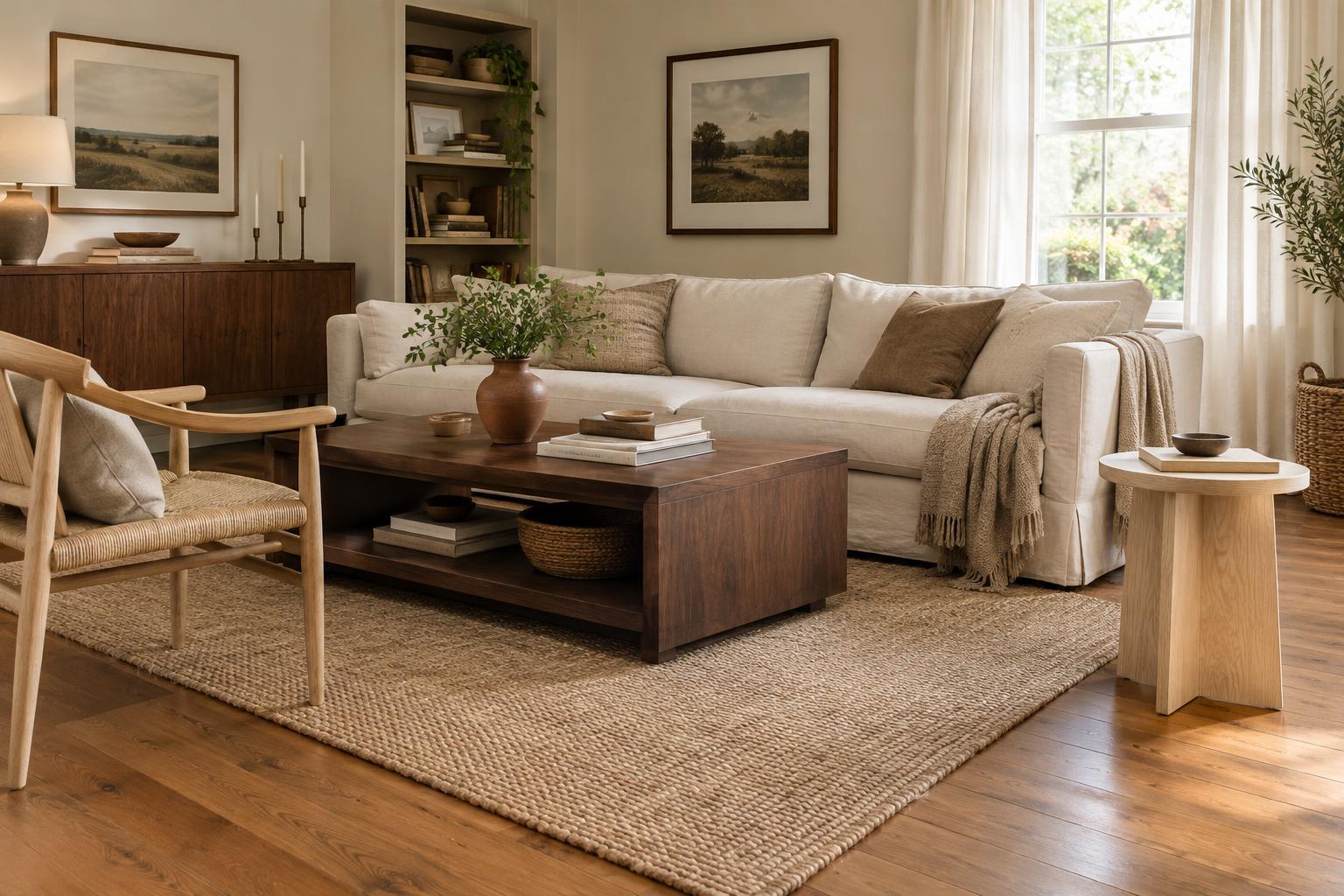
Colour and MaterialsDifferent wood tones can make a room feel layered rather than mismatched. Start with the wood already in the space, look for compatible undertones, and use repetition, contrast and a few connecting materials to bring the scheme together.
Read article · 4 min↗
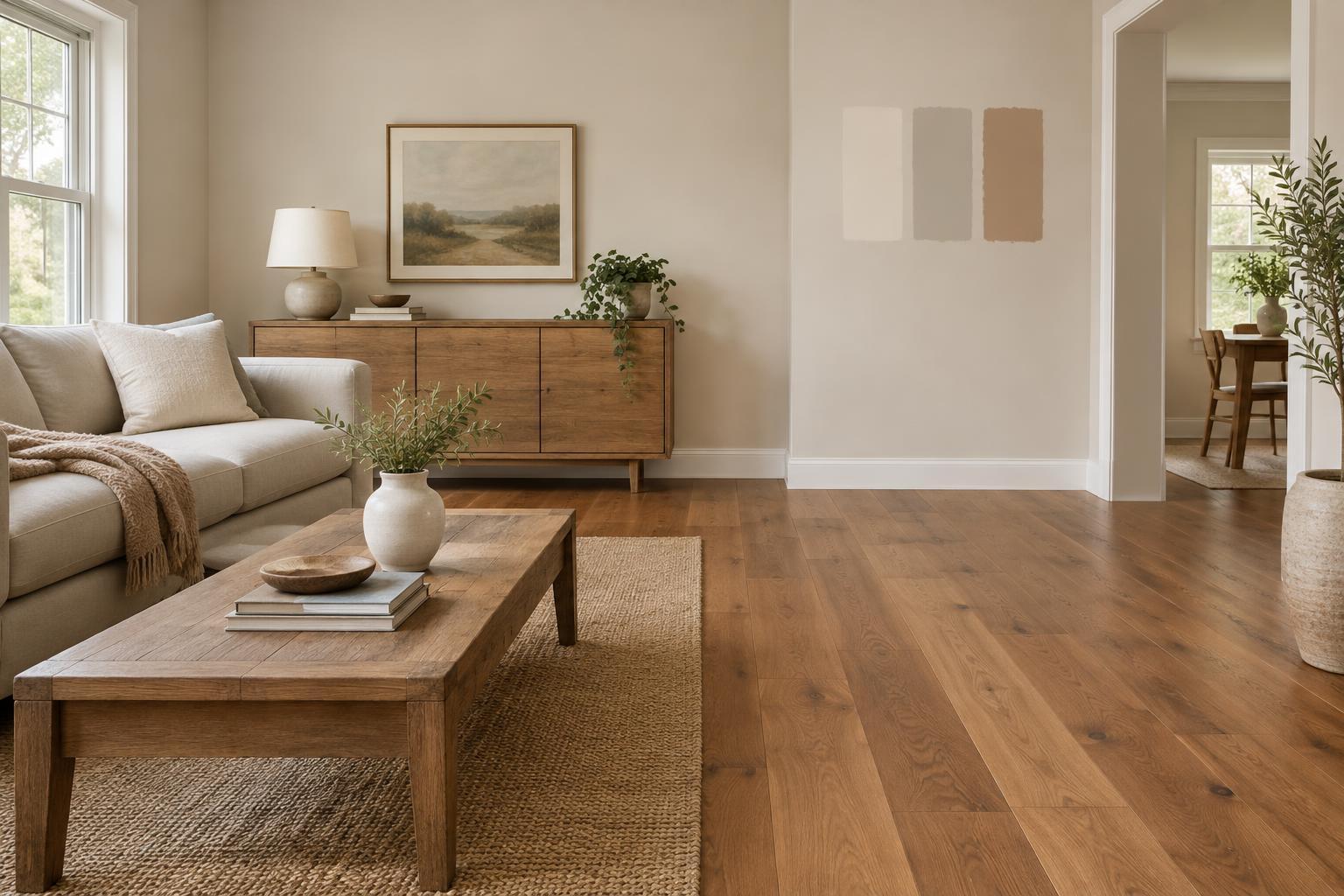
Colour and MaterialsYour floor is one of the largest colour surfaces in a room, so it makes a useful starting point for choosing paint. Learn how to read its undertones, balance light and dark surfaces, and test wall colours before committing.
Read article · 4 min↗
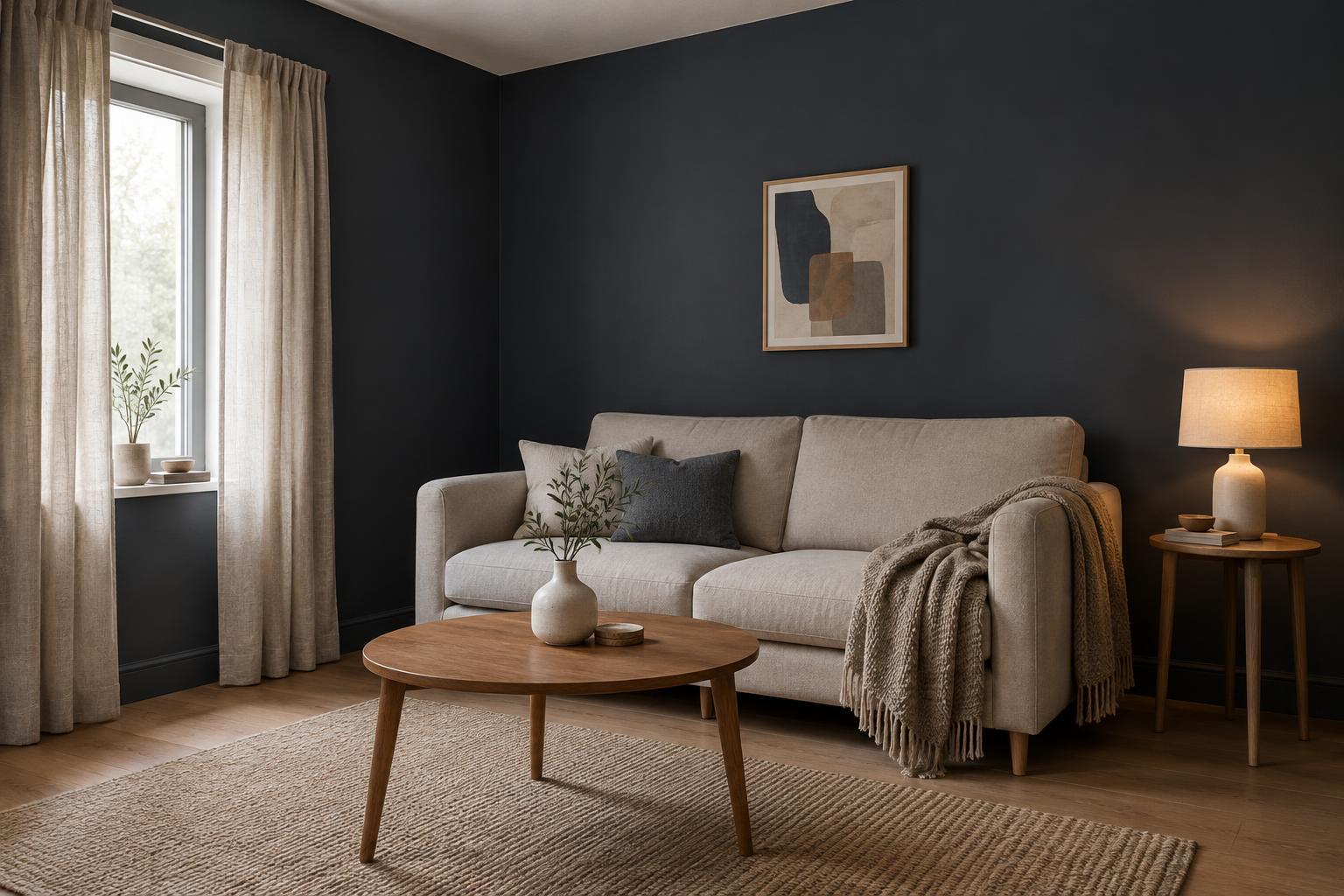
Colour and MaterialsDark walls can make a small room feel cosy and considered rather than cramped. Learn how to choose the right shade, balance it with light and texture, and keep the space practical.
Read article · 4 min↗
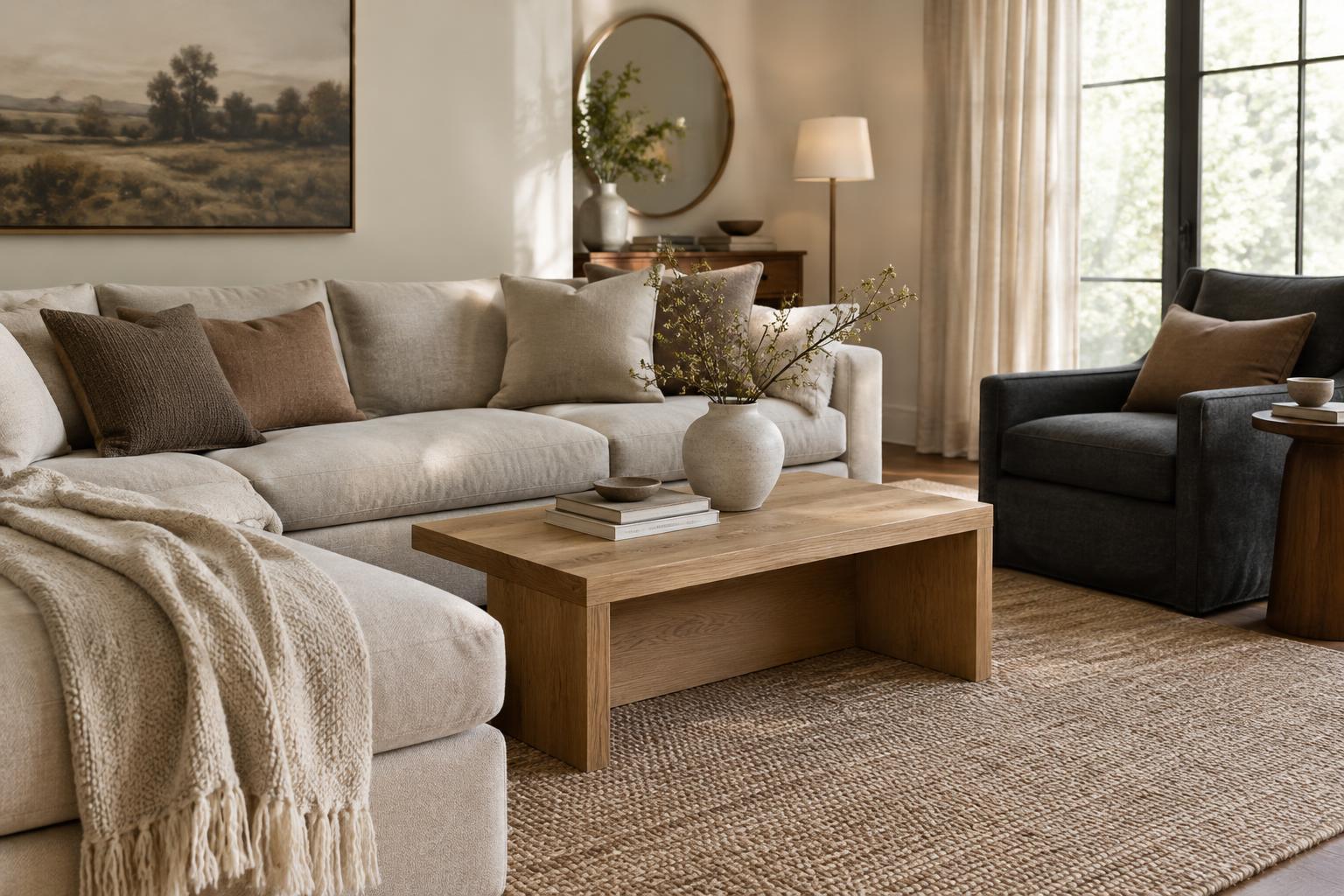
Colour and MaterialsLight and dark colours can give a room depth without making it feel stark. Learn how to balance large surfaces, soften transitions with texture and choose contrast that works in your space.
Read article · 4 min↗
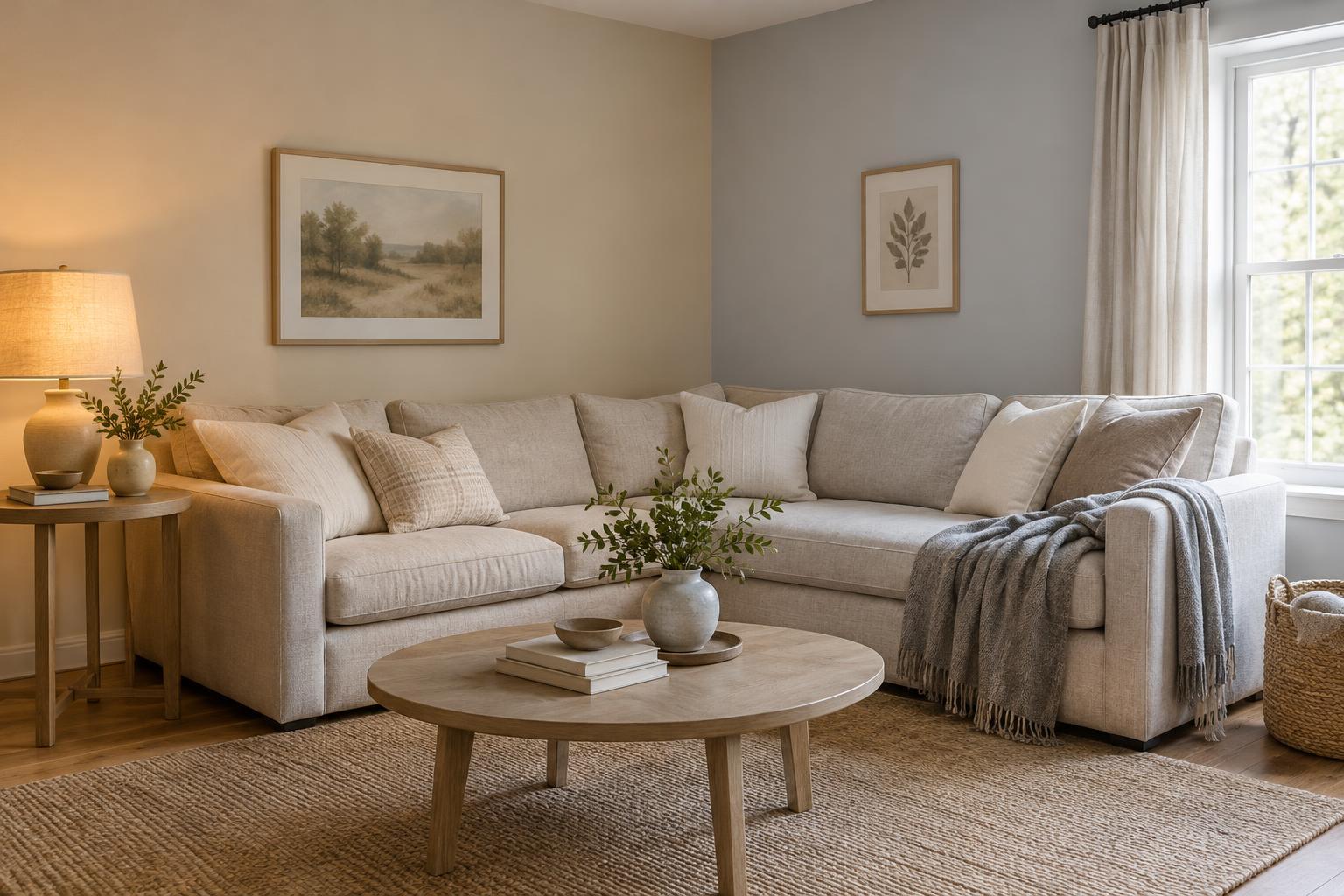
Colour and MaterialsBeige, grey and off-white can make a room feel very different depending on their undertones. Learn how to compare warm and cool neutrals with your light, fixed finishes and furnishings before choosing a backdrop.
Read article · 4 min↗
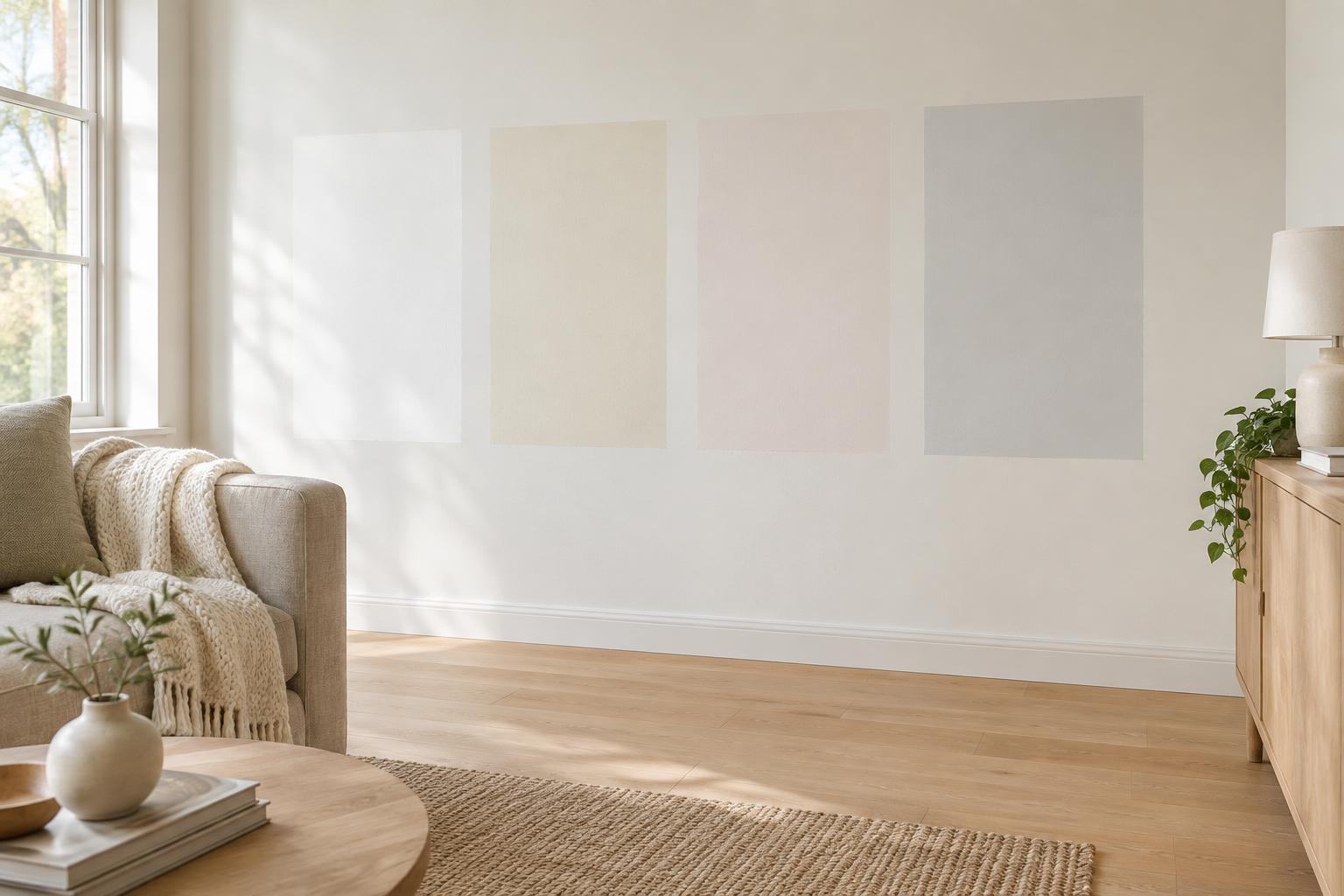
Colour and MaterialsWhite paint can look crisp, creamy, pink or grey once it is on the wall. Learn how to compare undertones, test samples in changing light and choose a white that works with your floors, furniture and textiles.
Read article · 4 min↗
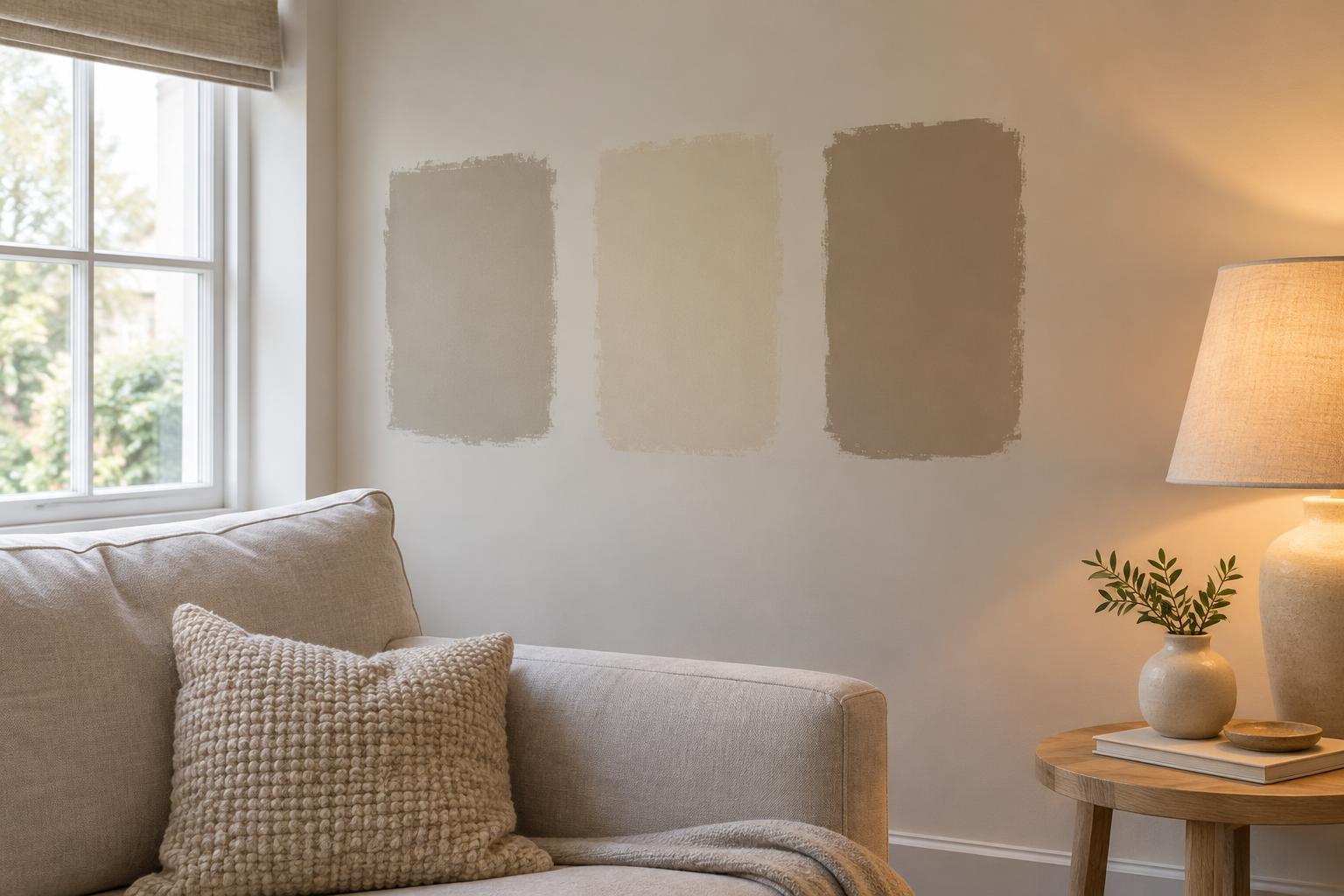
Colour and MaterialsA paint colour can look different on a sample card, in afternoon daylight and under a lamp. Learn how to test colours in the room, compare them at useful times of day and choose a shade that works with your furniture and finishes.
Read article · 4 min↗
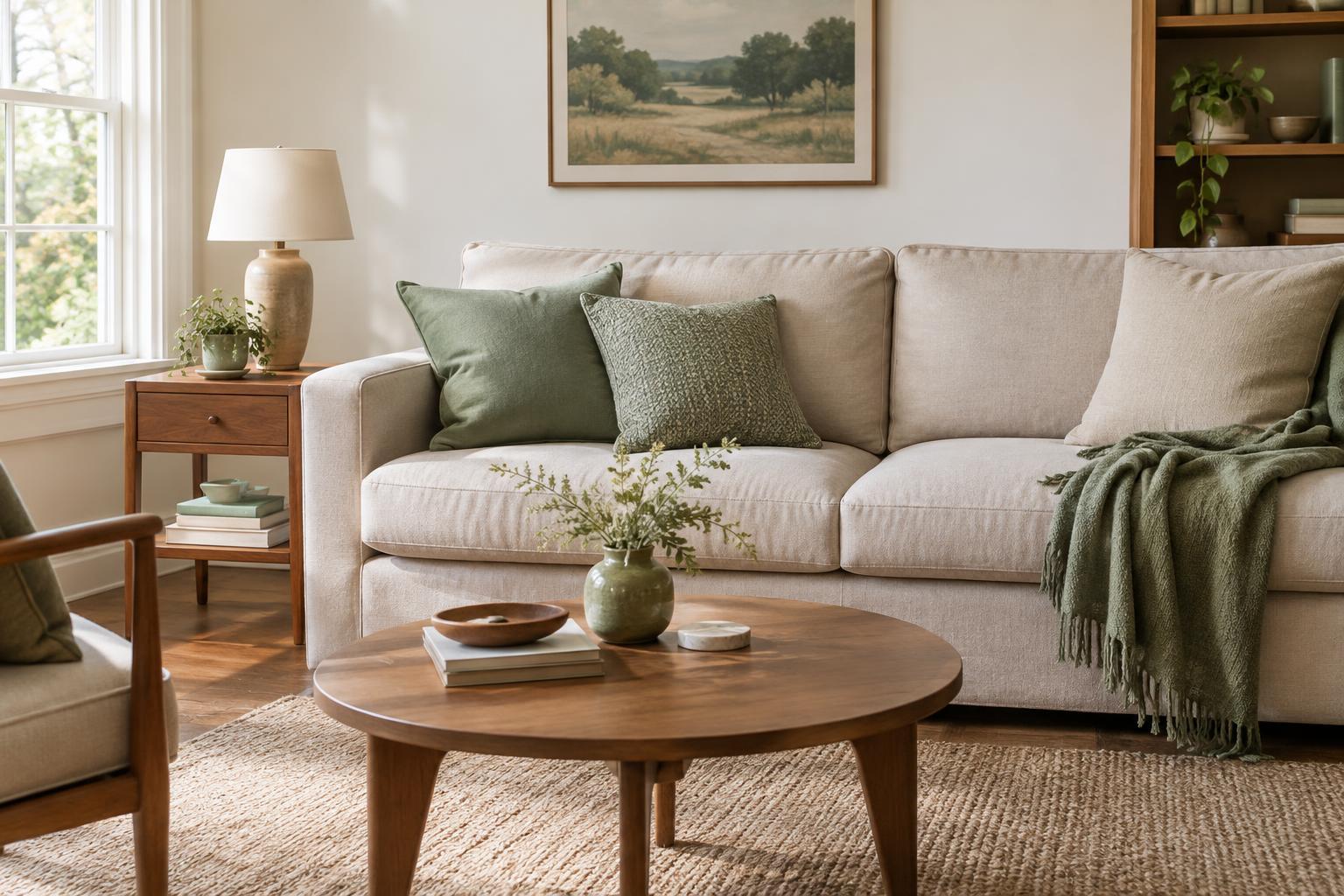
Colour and MaterialsYour furniture can help you choose an accent colour that feels at home in the room. Learn how to read its undertones, compare colours in different light and introduce a new shade through textiles and decorative details.
Read article · 4 min↗
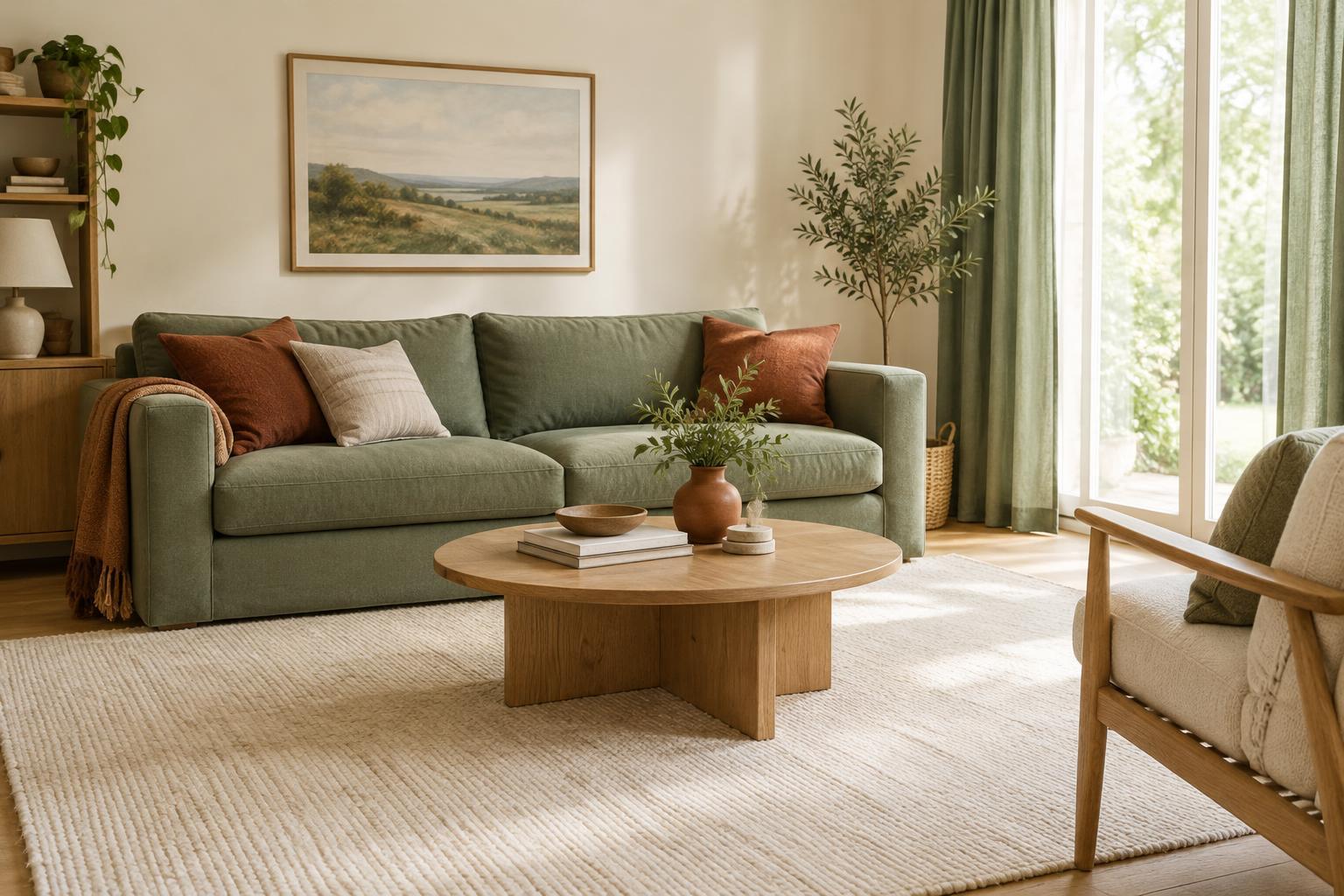
Colour and MaterialsThe 60-30-10 rule is a simple way to plan a room’s colour palette: give one colour the lead, use a second for support and add a smaller accent. Learn how to apply it to walls, furniture and textiles without treating the proportions as a rigid formula.
Read article · 4 min↗
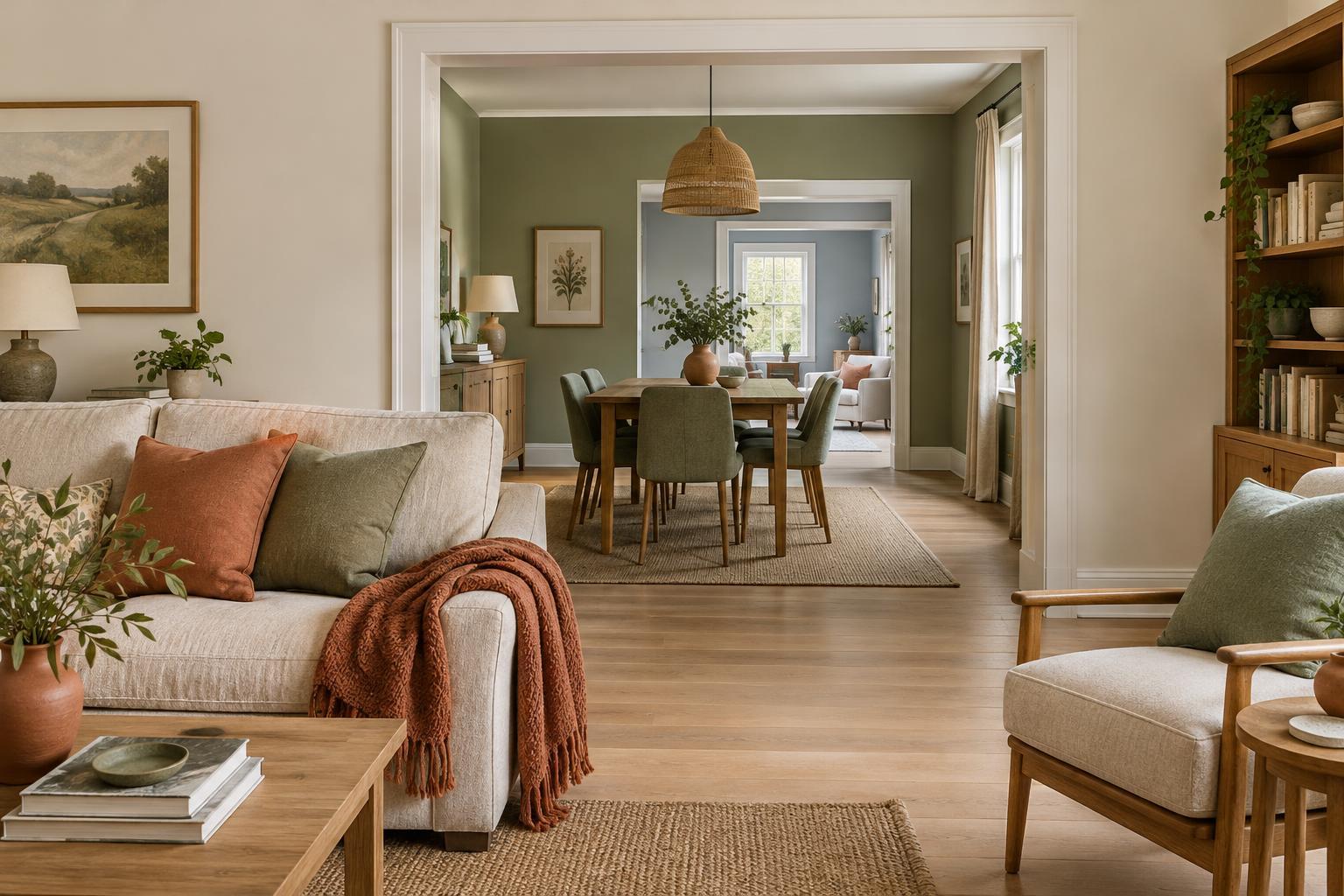
Colour and MaterialsA connected home does not need the same paint colour in every room. Learn how to build a flexible palette around existing materials, carry colours through sightlines and give each space its own character.
Read article · 4 min↗
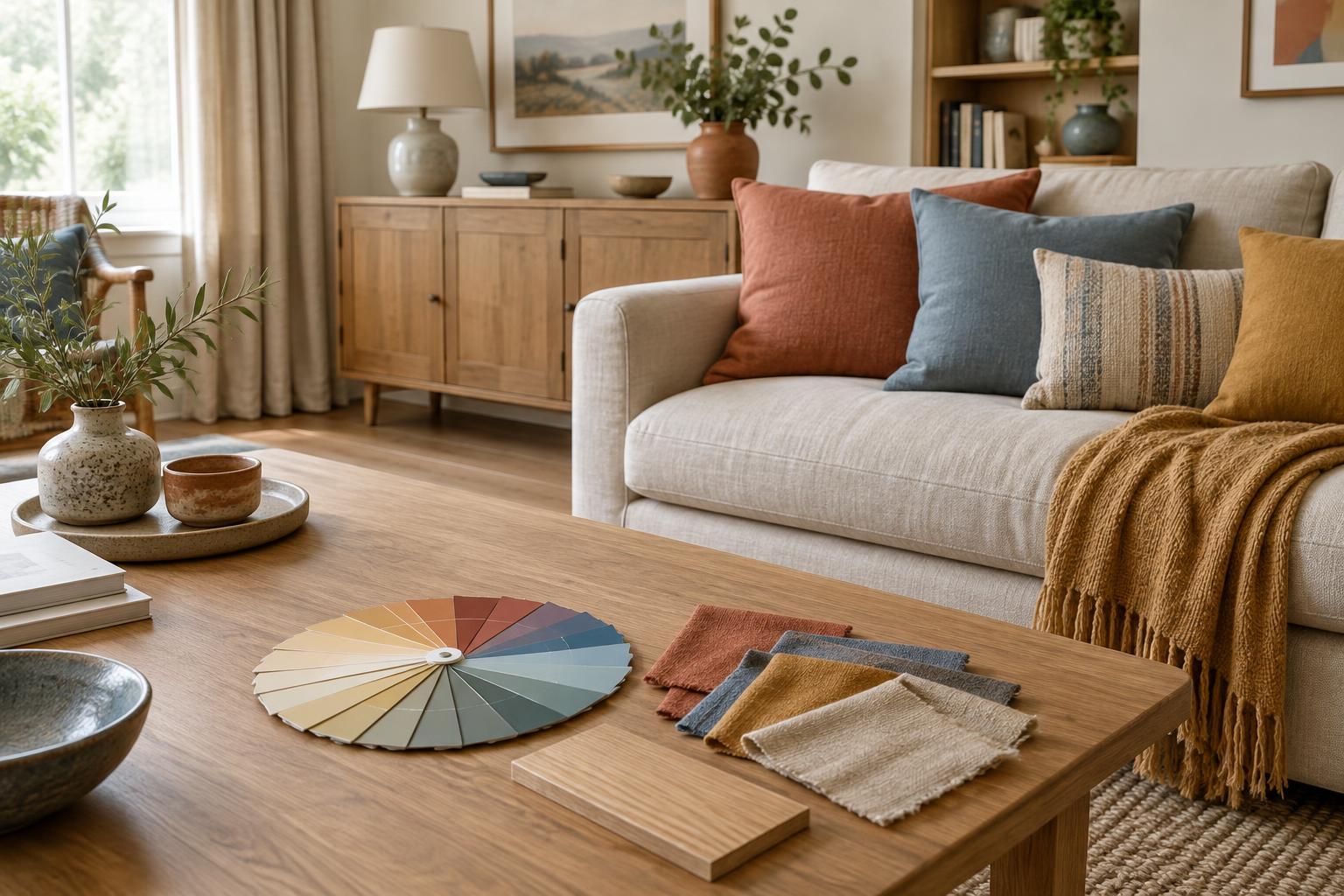
Colour and MaterialsThe colour wheel can help you move from a favourite shade to a coordinated room. Learn how to choose a palette, balance contrast and test colours alongside your existing materials.
Read article · 4 min↗