Start with what the window needs to do
Before choosing decorations, look at how the window works throughout the day. Notice where sunlight enters, how far the window opens and whether curtains or blinds need to pass over the sill. If a radiator or heater sits below it, consider where the rising warm air travels. A successful arrangement leaves those everyday functions intact rather than treating the sill as an isolated shelf.
Try standing in the room at the times you use it most. An object that looks small up close may cut across the view or cast an unwelcome shadow from across the room. The aim is not necessarily an empty sill: it is a composition that feels pleasant without making the space darker or harder to use.
Choose a few objects with a light footprint
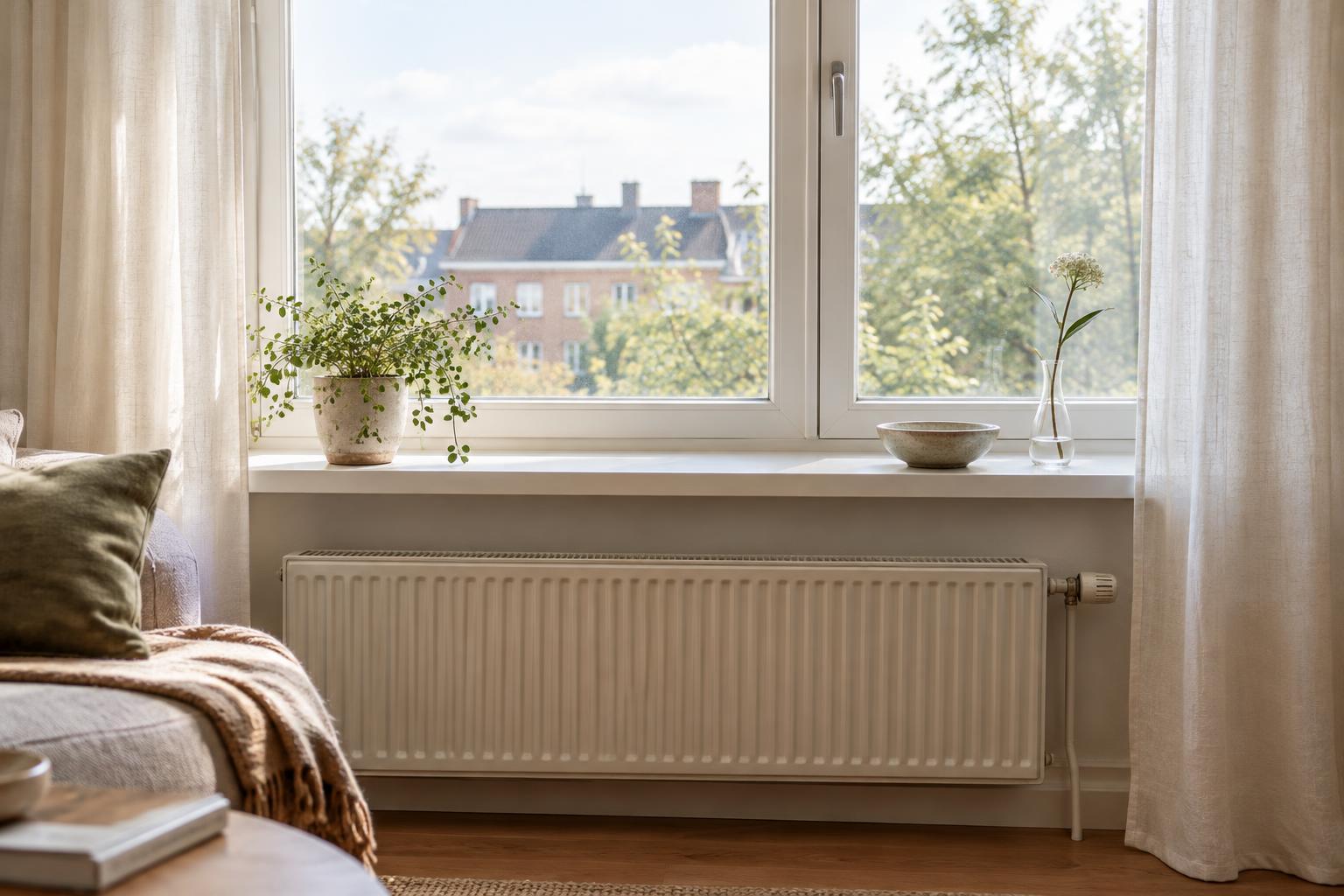
Low, narrow pieces are often easier to place than a row of tall ornaments. A small ceramic bowl, a single bud vase or a compact plant can add interest while leaving much of the glass clear. If you want height, put one slender item near the side of the window rather than lining up several pieces across its centre. Leave visible space between objects so the sill reads as a considered arrangement, not storage.
Scale matters as much as quantity. A broad planter can obstruct light even when its plant is short, while an open, airy stem may have little visual weight. Look at the whole outline of each object against the window. Repeating one material or colour in two or three pieces can make a modest display feel cohesive without filling every available centimetre.
A tray can help gather small objects, but choose one that fits comfortably within the sill. Keep it away from the window mechanism and check that it does not prevent curtains from hanging naturally. If the sill is very shallow, one well-chosen item may work better than a grouped display.
Keep heat and airflow in mind
When a radiator sits beneath a window, avoid turning the sill into a dense barrier above it. Warm air needs room to rise and circulate into the space. Bulky storage, trailing fabric and tightly packed objects can get in its way. Keep heating units and vents unobstructed, and follow the clearance guidance for the equipment in your home.
Heat also affects what you display. Candles can soften or deform near a heat source, and some plants may struggle with warm, dry air. Delicate objects, framed photographs and anything prone to fading or warping deserve careful placement in strong sun. Rather than assuming a plant will thrive because a window is bright, consider both its light needs and the temperature changes near the glass and radiator.
If you like the look of a layered display, create that effect through varied shapes and textures instead of piling items in front of one another. A matte pot beside a small glass vessel, for example, offers contrast while leaving open space around both.
Make room for curtains, cleaning and condensation
A windowsill is easier to enjoy when you can still open the window, adjust its covering and wipe the surface. Test your arrangement by using the window as you normally would. Make sure objects cannot be knocked over by a curtain, blind cord or opening pane, and keep breakable pieces away from edges where they might be brushed past.
Windows can collect condensation, particularly when indoor moisture meets cold glass. Check the area behind pots and trays occasionally, and dry any standing water. A saucer can catch drips from a plant, but it should not become a place where water sits against the sill. These small checks help protect the surface and keep the display looking fresh.
Build a display you can change easily
Begin with one focal piece, then add only what improves the view from inside the room. You might pair a compact plant with a low bowl, or place a slim vase at one end and leave the rest of the sill open. If the window looks crowded, remove an item before searching for a smaller replacement. The empty space is part of the composition.
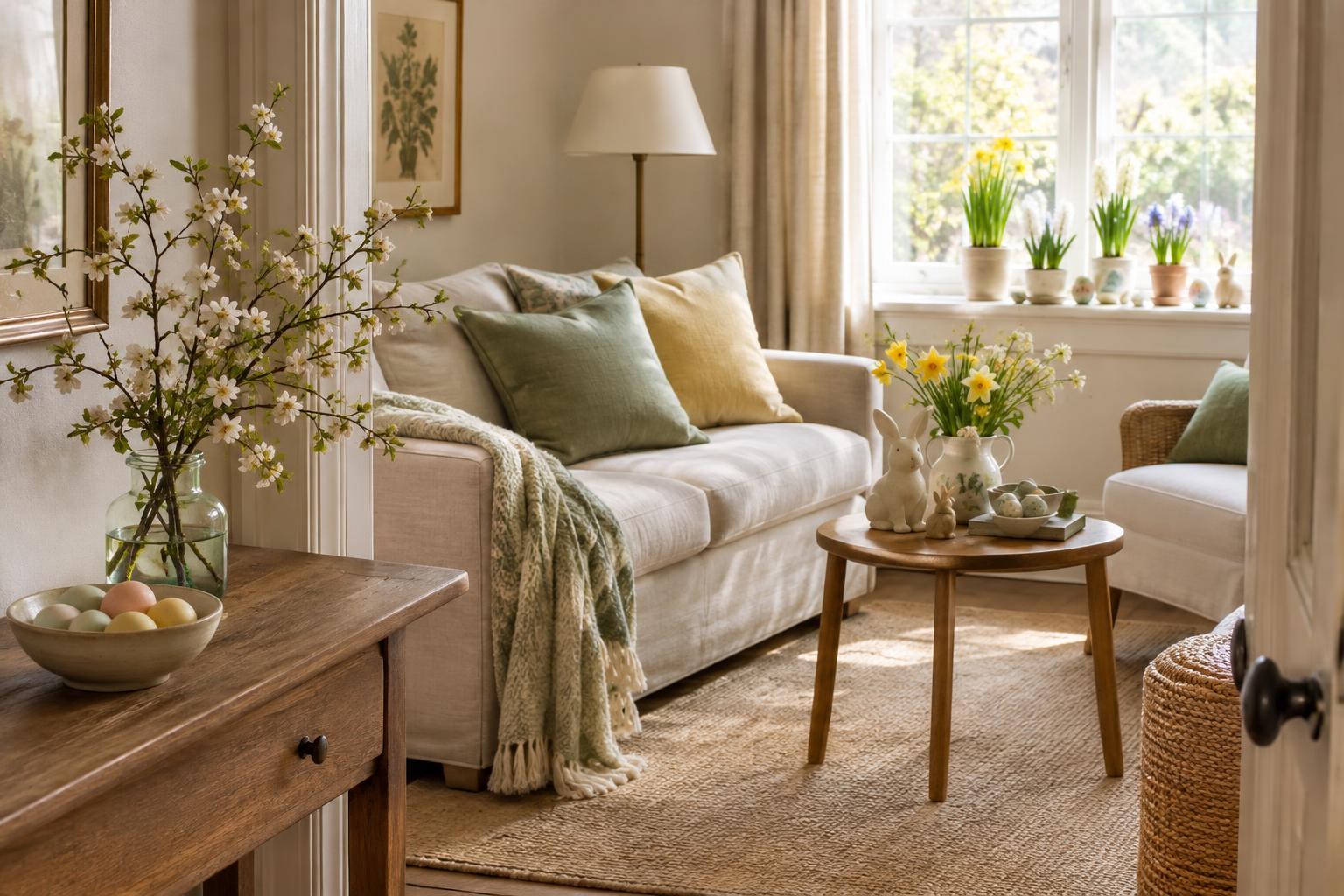
A simple arrangement is also easier to adapt. Swap a vase or small decorative object when you want a seasonal change, while keeping the same clear area for daylight and airflow. Step back for a final look, then open the window and close the curtains once more. If everything works comfortably, the decoration is doing its job.