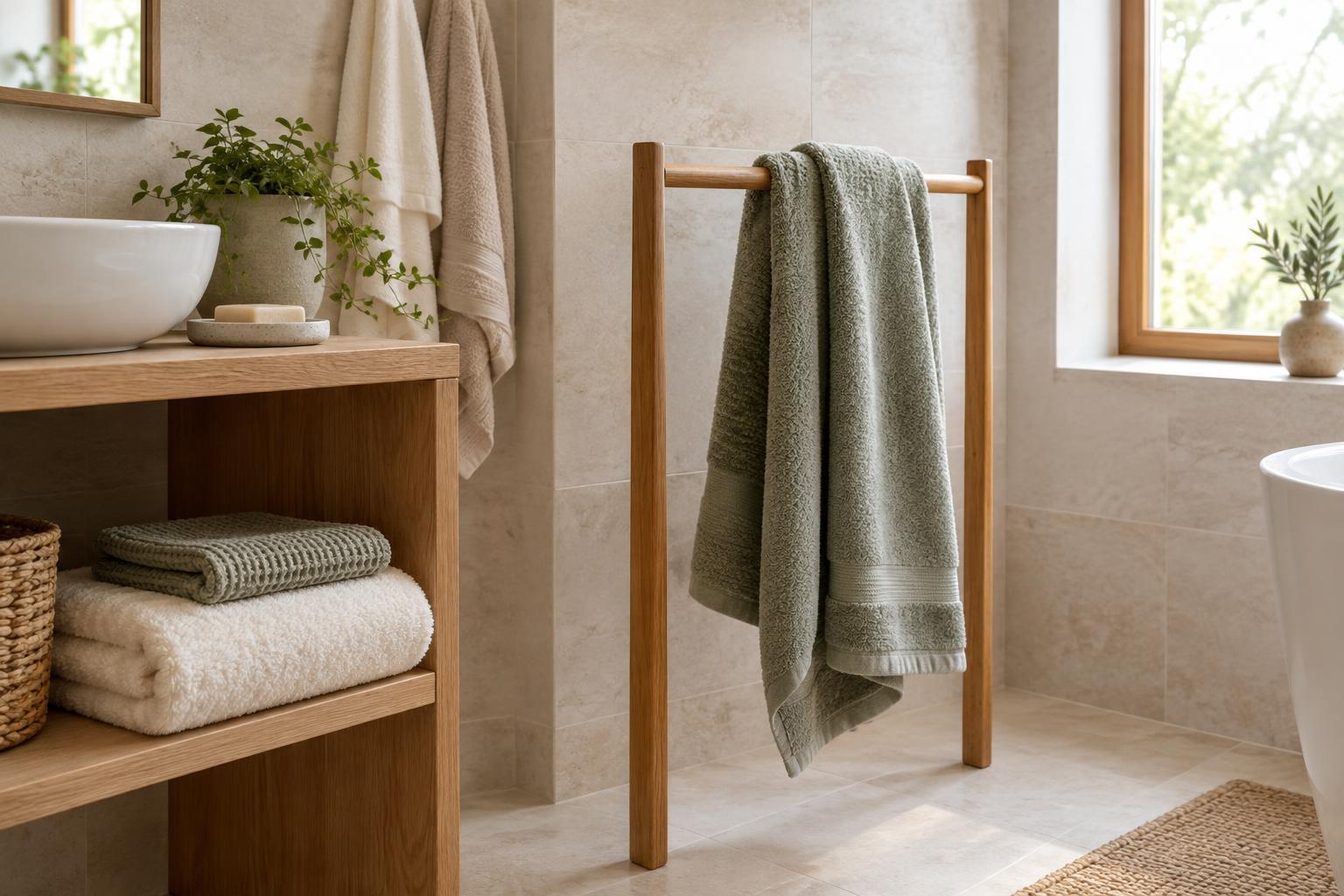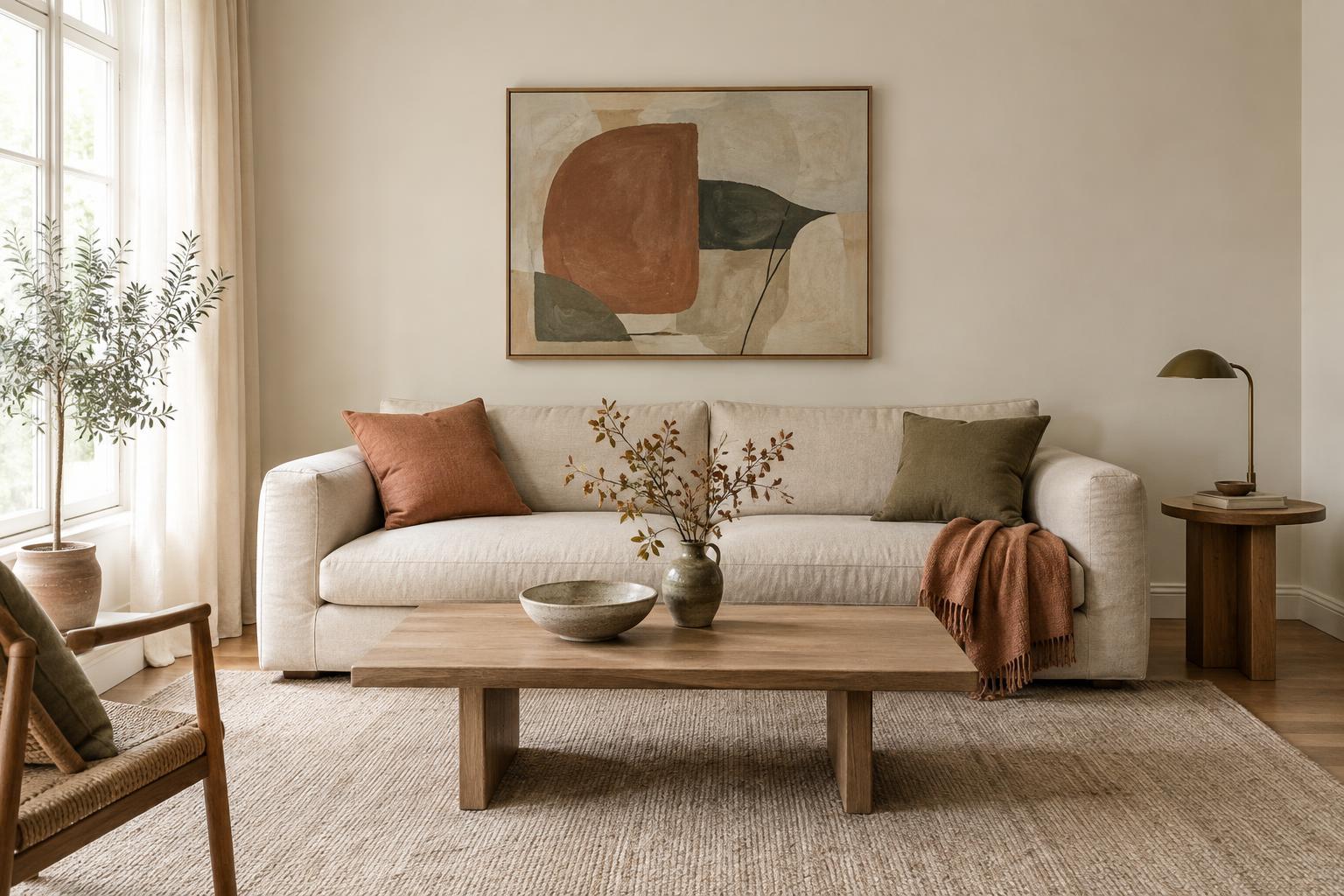
Start with the mess the room actually sees
A hallway, living room and dining area may all be busy, but they put different demands on materials. In an entryway, think about damp shoes, grit and bags set down in a hurry. In a living room, consider where people sit, where pets rest and whether drinks often land on side tables. Around a dining table, spills and chair movement may matter more than soft furnishings. Naming the likely sources of wear helps you choose for the room you have rather than for an idealised version of it.
Next, decide what “easy-care” means for your household. It might mean being able to wipe a surface clean, vacuum it quickly or remove a cover for washing. A material that hides marks well is not necessarily easy to clean, and a washable item may still be inconvenient if it takes a long time to dry. Check care instructions before buying, especially where a room is used every day.
Choose flooring for cleaning and comfort
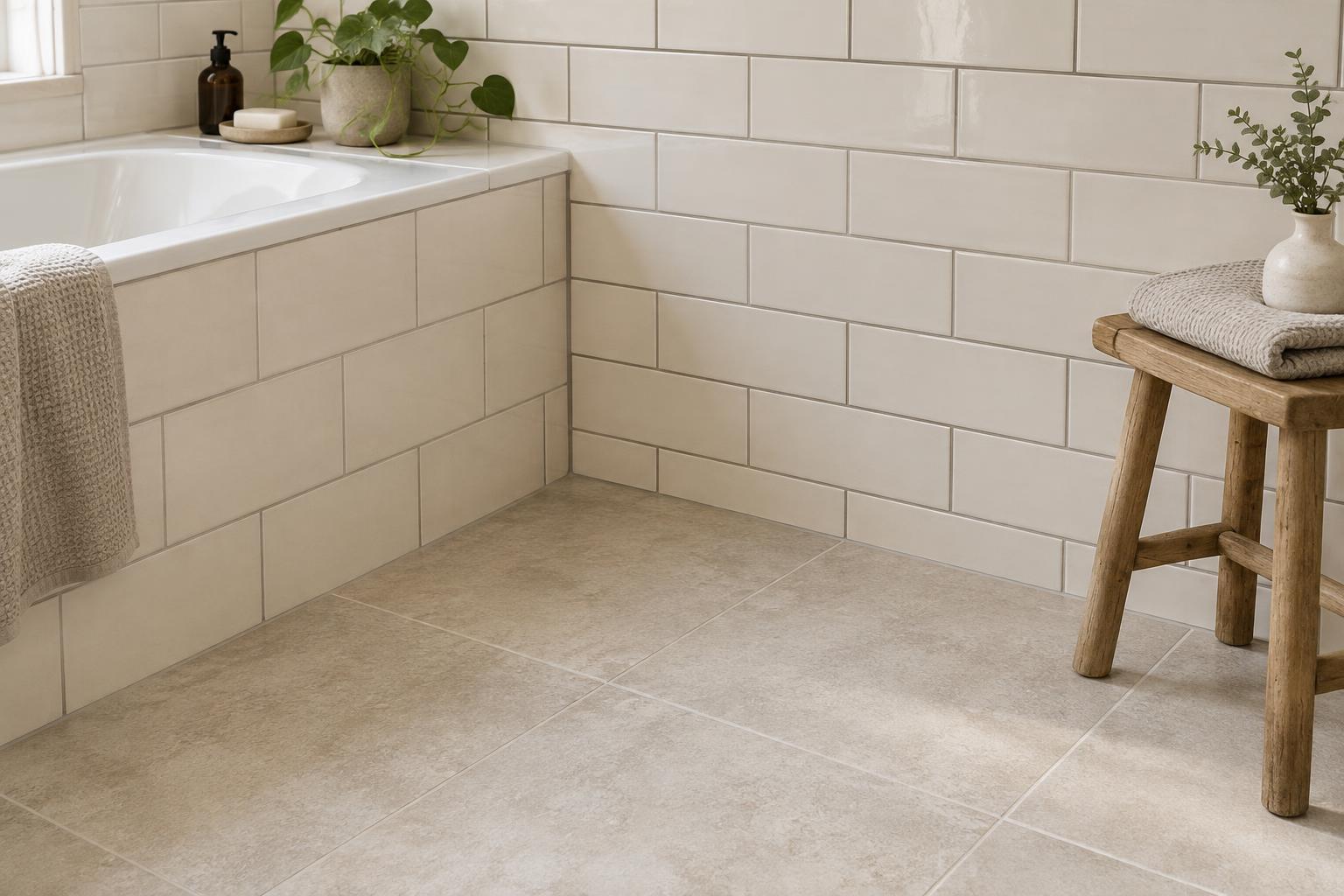
Hard flooring is often practical in spaces where crumbs and tracked-in dirt are common. Tile can be wiped or mopped, though grout lines and textured surfaces may need more attention. Sealed wood brings warmth, but its finish can show scratches or react poorly to standing water. Laminate and resilient flooring offer other looks and cleaning routines; compare the specific product’s care guidance rather than assuming all versions perform alike.
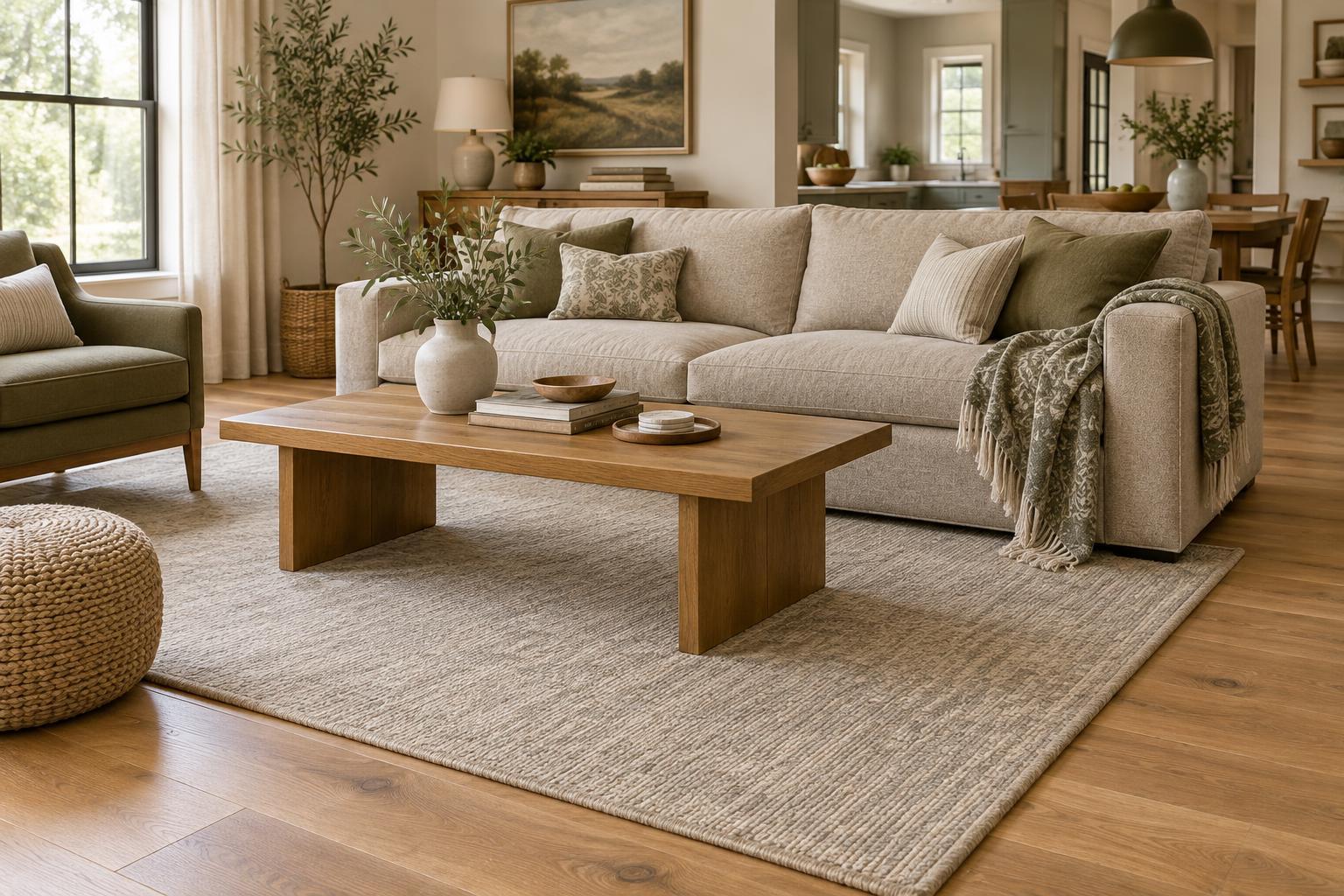
Underfoot comfort matters too. A floor that is simple to clean may feel hard or cool in a room where people spend hours. A rug can soften the space and define a seating area, but it adds another surface to maintain. For a busy route, look for a low-profile rug that is easy to vacuum, and consider a suitable non-slip pad. Patterns with some variation can make everyday lint and small marks less noticeable than a perfectly uniform pale surface.
Pick upholstery you can live with
For sofas and chairs, consider both the fabric and the shape of the furniture. Closely woven upholstery may be easier to brush or vacuum than a loose weave that catches crumbs or snags. Smooth surfaces can be convenient to wipe, but some show scuffs, dust or fingerprints readily. If you are considering leather or a coated fabric, check the recommended cleaners and whether the finish suits the way the room is used.
Removable covers can simplify care when their washing instructions match what you can realistically do at home. Before choosing one, find out whether the whole cover is removable and whether it can be machine-washed; a removable cover is not automatically washable. On fixed upholstery, a textured mid-tone or small-scale pattern can help disguise minor day-to-day marks. Keep the same practical approach with cushions and throws: choose pieces that are pleasant to touch and straightforward to clean, so they remain useful rather than becoming items you worry about.
Pay attention to finishes and details
Tables, shelves and storage fronts face repeated contact with keys, cups, hands and cleaning cloths. A finish that tolerates routine wiping is valuable, but no surface is completely carefree. Matte finishes may conceal fingerprints better than glossy ones, while very dark or very light solid colours can make dust, water spots or crumbs more visible. Samples are helpful: handle them, view them in the room’s light and check how an ordinary smudge looks after it is wiped away.
The small details affect upkeep as much as the main material. Deep grooves, elaborate trim and open shelving give dust more places to settle. Rounded or gently eased edges may be more forgiving in a room where furniture is frequently bumped. For decorative objects, a few pieces with simple shapes can give the room character without making every clean-up a project. Grouping objects on a tray also makes it easier to clear and wipe a surface.
Build a palette that works between clean-ups
Colour is part of a material choice, not a final layer added afterward. A palette of warm neutrals, muted colours or mixed tones can create a calm look while accommodating the small signs of daily use. That does not mean avoiding white or bold colour. Instead, place more demanding colours where maintenance feels manageable: a washable cushion may be a better choice than a pale upholstered seat in the busiest corner.
Before committing, bring samples together in the room and look at them beside existing floors, walls and furniture. Compare how they feel to the touch as well as how they look in daylight and evening light. Aim for a balance: durable surfaces where wear is highest, softer textures where comfort matters, and cleaning routines you will actually follow. The easiest room to care for is not one with a single supposedly perfect material, but one whose choices fit the way you live.