Start with what your rooms already share
A whole-home palette is a small set of colours and materials that helps rooms feel related. It is not a rule that every wall must match. Before choosing paint, walk through your home and note what you can see from each doorway. A hallway wall, a kitchen cabinet and a living room sofa may all appear in the same view, even though they belong to different spaces. Those shared views are the best places to begin.
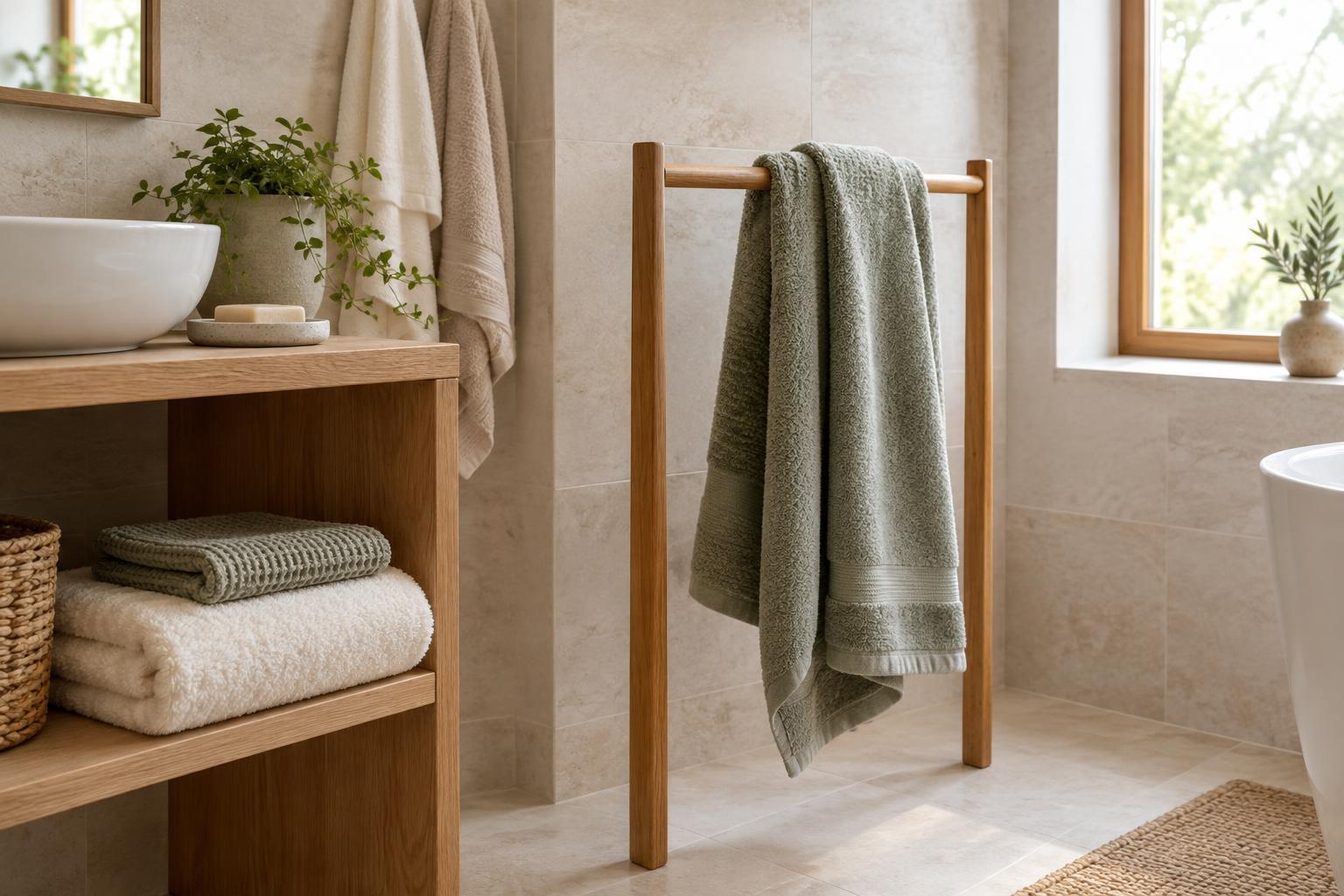
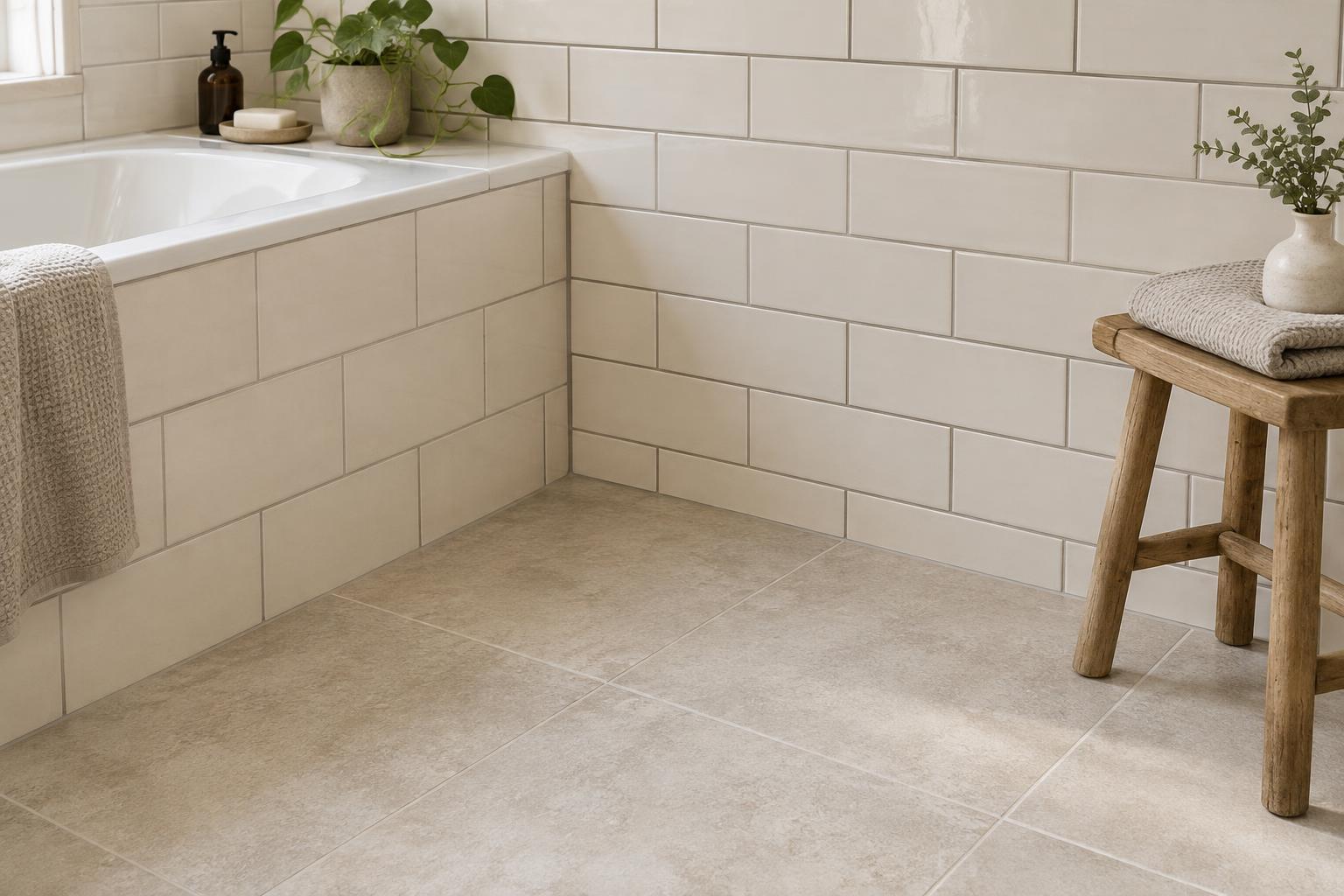
List the finishes you are unlikely to change soon: flooring, tiles, countertops, large furniture and built-in storage. Notice whether they look warm, cool or fairly neutral, and identify any colours that already repeat. A timber floor, for example, may run through several rooms and provide a natural connection. If fixed finishes differ, look for a colour that sits comfortably beside both rather than trying to make one room disguise its materials.
Gather a few samples or photographs of these existing elements and compare them together in the rooms themselves. This gives you a more useful starting point than selecting attractive paint swatches in isolation.
Choose a flexible palette, not a colour for every surface
Begin with a dependable background colour or family of neutrals for the areas that connect rooms, such as a corridor or open-plan space. Then choose one or two supporting colours you enjoy living with, plus a deeper or brighter accent if you want one. These are roles, not a strict formula: a soft green might be a wall colour in one room, a cushion colour in another and a small detail elsewhere.
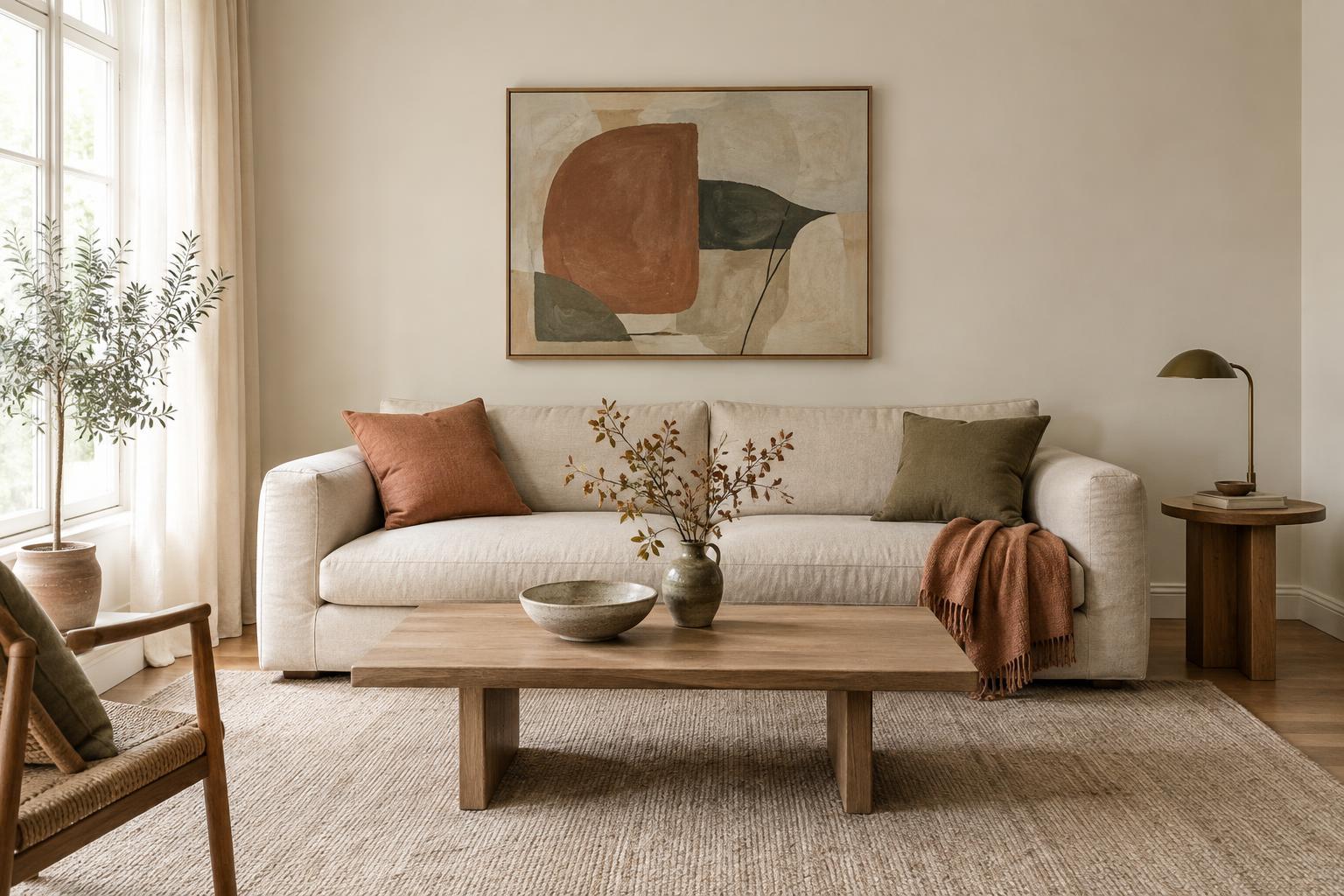
Keep the palette broad enough to allow variation. Warm white walls can sit alongside cream upholstery and pale stone without every surface matching exactly. Likewise, a muted blue can appear in several shades. What matters is that the colours look comfortable together when viewed across a doorway. If two samples seem awkward side by side, a shared neutral or material may provide a gentler transition.
Decide which colours will do the quiet work and which will draw attention. In a compact group of adjoining rooms, several strong accents competing in one sightline can feel busy. You can still use bold colour; giving it a clear home, then echoing it sparingly nearby, often makes it feel more intentional.
Connect rooms through sightlines and repeated details
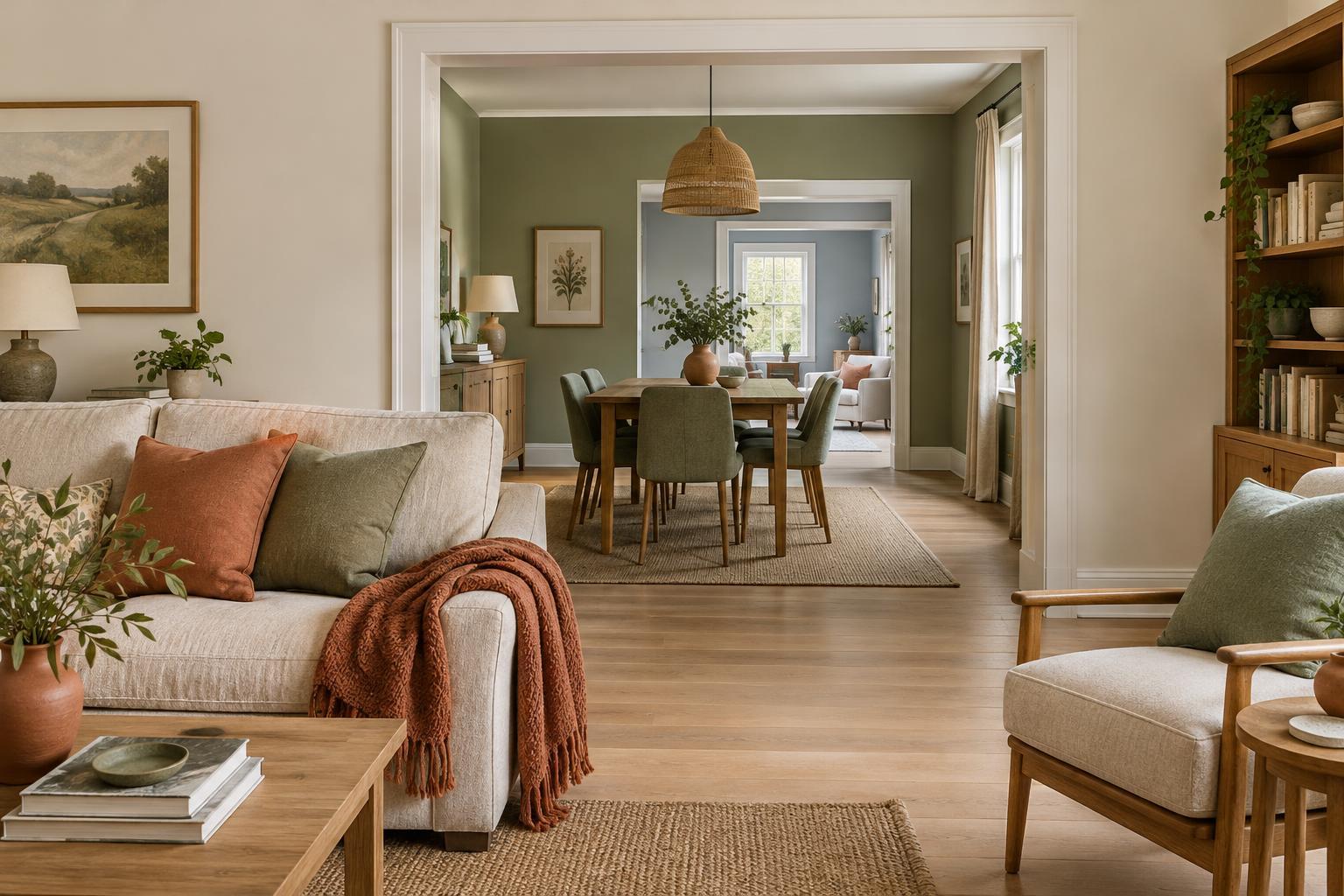
Stand in the places where rooms meet and consider what appears in the same frame. A doorway may reveal only a narrow section of the next room, making that wall, curtain or piece of furniture more important to the overall flow than a feature hidden around the corner. Plan those visible areas together before deciding how the rest of each room will look.
Repetition does not have to mean identical purchases. The olive tone of a dining room wall could reappear in a living room print, a striped cushion or a ceramic bowl. Repeating a material can work just as well: oak, woven fibres or dark metal can carry a familiar note through rooms with different wall colours. Varying the size and placement of these details keeps the effect relaxed rather than overly coordinated.
Transitions can also be deliberate. If you want a rich bedroom colour beyond a pale hallway, let the doorframe mark the change, then use a small link such as similar timber furniture or a shared accent. Each room can have its own mood while still belonging to the same home.
Test the palette in each room before committing
Light can change how a colour appears from one room to the next. A neutral that feels soft beside one window may look flatter or cooler down the hall. Place samples on several walls, check them at different times of day and compare them with flooring and upholstery. If possible, view neighbouring samples together from the doorway, not only up close.
You do not need to repaint an entire home at once. Start with the most visible connection between two rooms and use movable pieces, such as cushions, throws or artwork, to try out a supporting colour. If it works, repeat it where it makes sense. If it does not, a small detail is easier to change than a wall.
When making final choices, ask two questions: does each room feel comfortable on its own, and do the rooms look considered when seen together? A useful whole-home palette should answer both. It gives you a guide for future additions without taking away the freedom to make each space personal.