Start with the room that stays
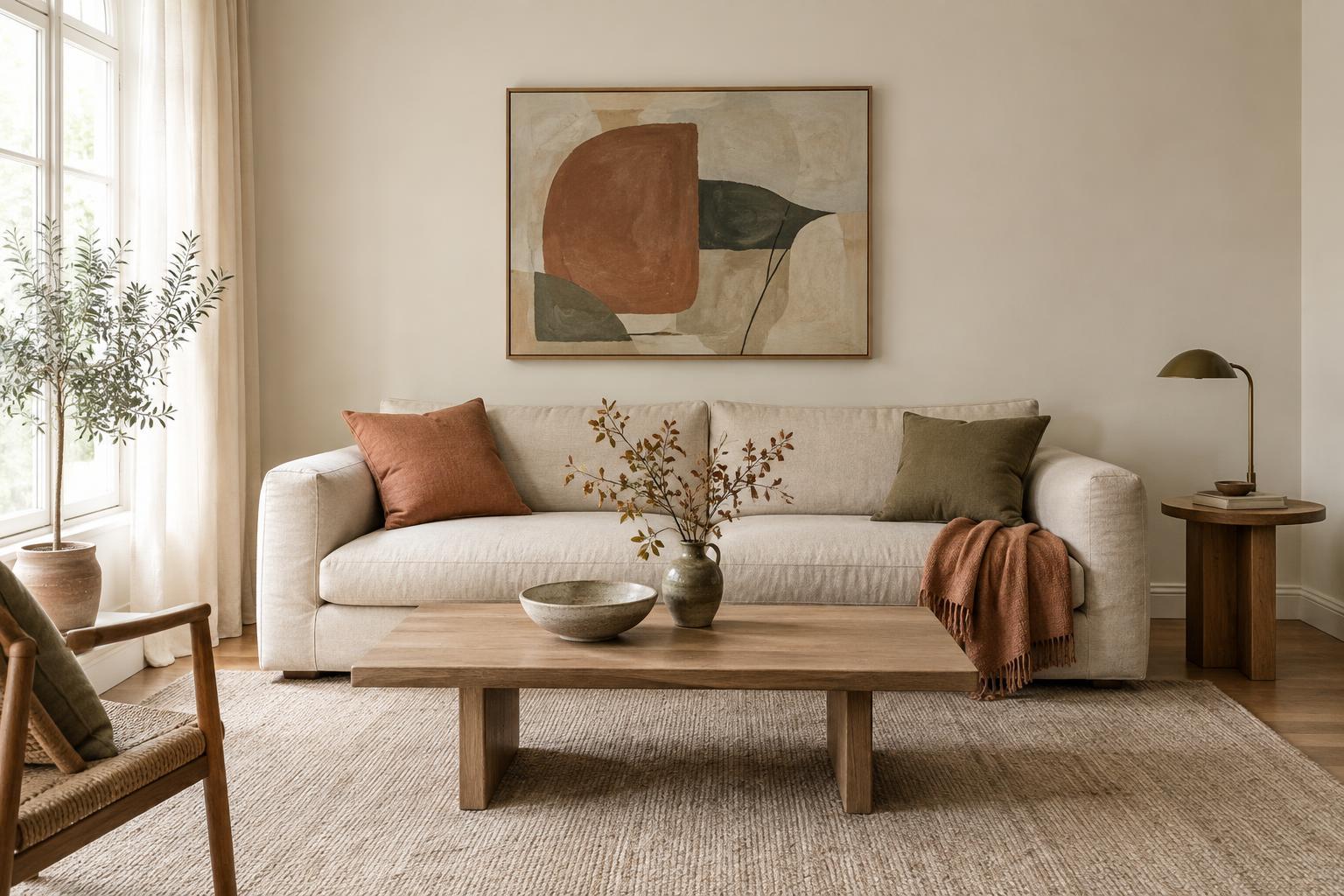
A useful seasonal decorating plan begins with what will not change. Look at your sofa, chairs, tables, rugs and larger lamps as the room’s foundation. Note their colours and materials, then identify two or three qualities you want to carry through the year: perhaps a warm wood finish, a blue sofa or a patterned rug. These anchors give every seasonal arrangement a connection to the room, so a refresh feels intentional rather than like a collection of unrelated purchases.
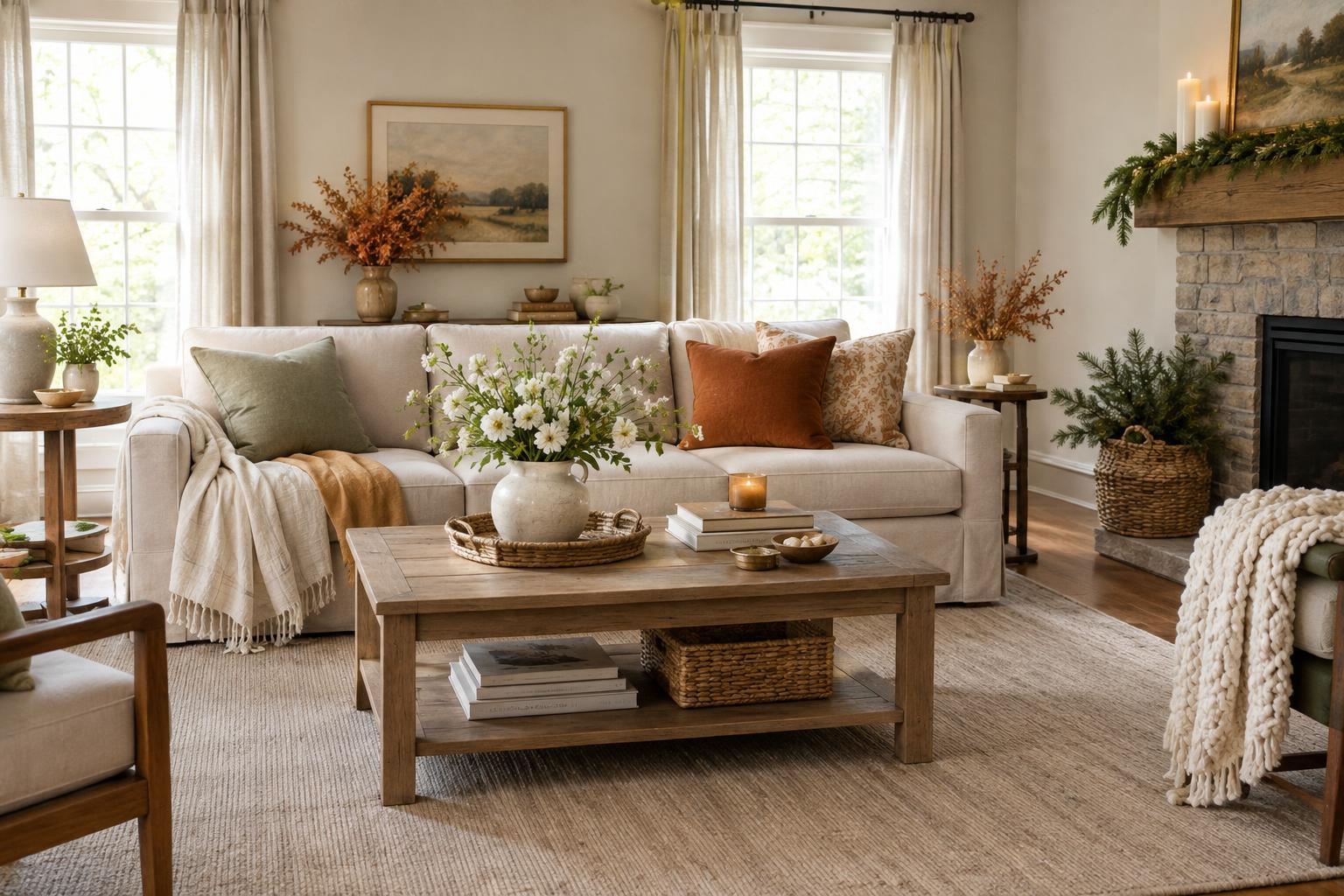
Next, decide where change will have the most impact. A living room might offer a sofa for cushions and throws, a table for a small arrangement and a window for lighter or heavier curtains. You do not need to use every surface. Choosing a few repeatable places makes each change quicker and prevents seasonal objects from crowding the room. Photographing the space as it is can help you notice what already works before you move anything.
Build a small palette with room for change
Choose a base palette drawn from your existing furnishings, then allow one or two accent colours to shift with the season. If your room is built around cream upholstery and medium-toned wood, for example, those can remain constant while accents move from soft green to sun-warmed yellow, rust or deep blue. The exact colours matter less than their relationship to the permanent pieces. Repeating a familiar colour in at least two small places can make an update feel connected.
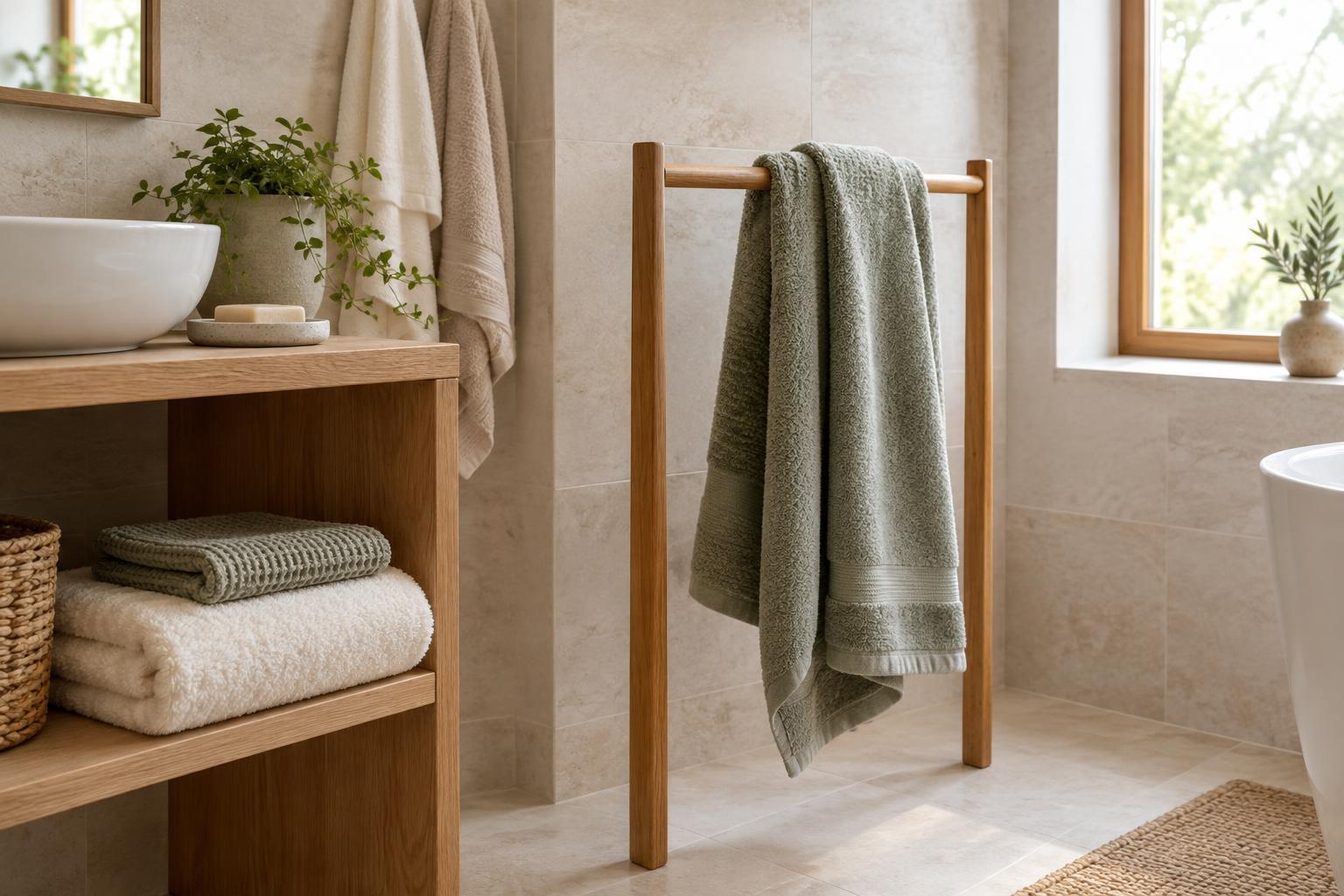
Texture can do as much work as colour. A smooth cushion cover, woven basket or lightweight throw may give a room a different character without introducing a new shade. Before buying anything, gather the covers, blankets, vases, trays and decorative objects you own. Sort them by colour and texture, then try combinations beside your furniture in the room’s usual light. This often reveals seasonal options that were easy to overlook in storage.
Give each season a simple role
For spring, aim for a lighter, less crowded feel. Put away a few dense textiles, leave breathing room on shelves and bring out a pale or fresh accent that suits your base palette. In summer, favour pieces that feel easy to live with: washable covers, a lighter throw within reach and a clear table surface. If direct sun enters the room, consider how your existing curtains or blinds can manage glare as well as contribute to the look.
Autumn can be a gradual return to layers rather than a complete colour change. Bring back a textured cushion, a substantial throw or a warmer accent from your collection. In winter, concentrate on comfort where people actually sit: a soft layer on a chair, useful lighting beside it and clear space for a cup or book. These are starting points, not rules tied to a calendar. Adjust the rotation to your local climate, the light in your home and how you use each room.
Rotate in layers, not all at once
Treat a seasonal change as three possible layers. First, edit: remove objects that make a surface feel busy or textiles you no longer need. Second, swap: exchange a few cushion covers, a throw or a small group of objects. Third, add only if a practical gap remains. This order helps you see whether the room needs something new or simply a different arrangement of what is already there.
Keep your largest seasonal changes easy to reverse. Cushion covers take less storage space than extra cushions, while a vase can hold different arrangements throughout the year. A tray can gather objects on a table and make the group simple to move. You might also rotate pieces between rooms: a lamp or basket that feels too heavy in one space may be just right elsewhere. Check that any swap still leaves comfortable walking routes and surfaces you can use.
Make the plan easy to repeat
Store off-season items where you can find them, grouped by type rather than buried in separate holiday boxes. Label covers, fold throws clean and dry, and protect fragile objects so that bringing them out remains pleasant. Keep a short note of combinations you liked, including which items worked together and which stayed in storage. That record is more useful than trying to remember an entire room arrangement months later.
Once a season has settled in, live with the changes for a while. Notice whether the room feels comfortable, whether the colours still make sense in everyday light and whether decorative pieces are in the way. A successful four-season rotation is not four perfectly styled rooms. It is one room that continues to work, with small changes that make it feel welcoming throughout the year.