Start with what the room needs to do
Before moving anything, notice how you actually use the room. Where do you sit to read, talk, watch a screen or put down a cup? Which chair rarely gets used, and where do bags or other everyday items tend to collect? These observations tell you more than a perfectly symmetrical floor plan. A successful rearrangement should make familiar activities easier, not just create a different view from the doorway.
Choose one or two priorities for the new layout. You might want a better conversation area, a clearer route across the room or a chair near a window. Take a few photographs from different corners, then sketch a rough plan showing doors, windows, sockets and large furniture. Exact measurements are useful if space is tight, but even an approximate sketch can help you spot arrangements worth trying before you start lifting.
Clear the paths, then place the largest pieces
Begin with the routes people use most: from the door to a seat, between adjoining rooms and around furniture that opens or pulls out. Move small objects and occasional tables aside so you can judge these paths without distractions. Leave enough space to pass comfortably, open drawers and use a chair without nudging another piece. If a proposed layout forces everyone to sidestep a sofa, it probably needs adjusting.
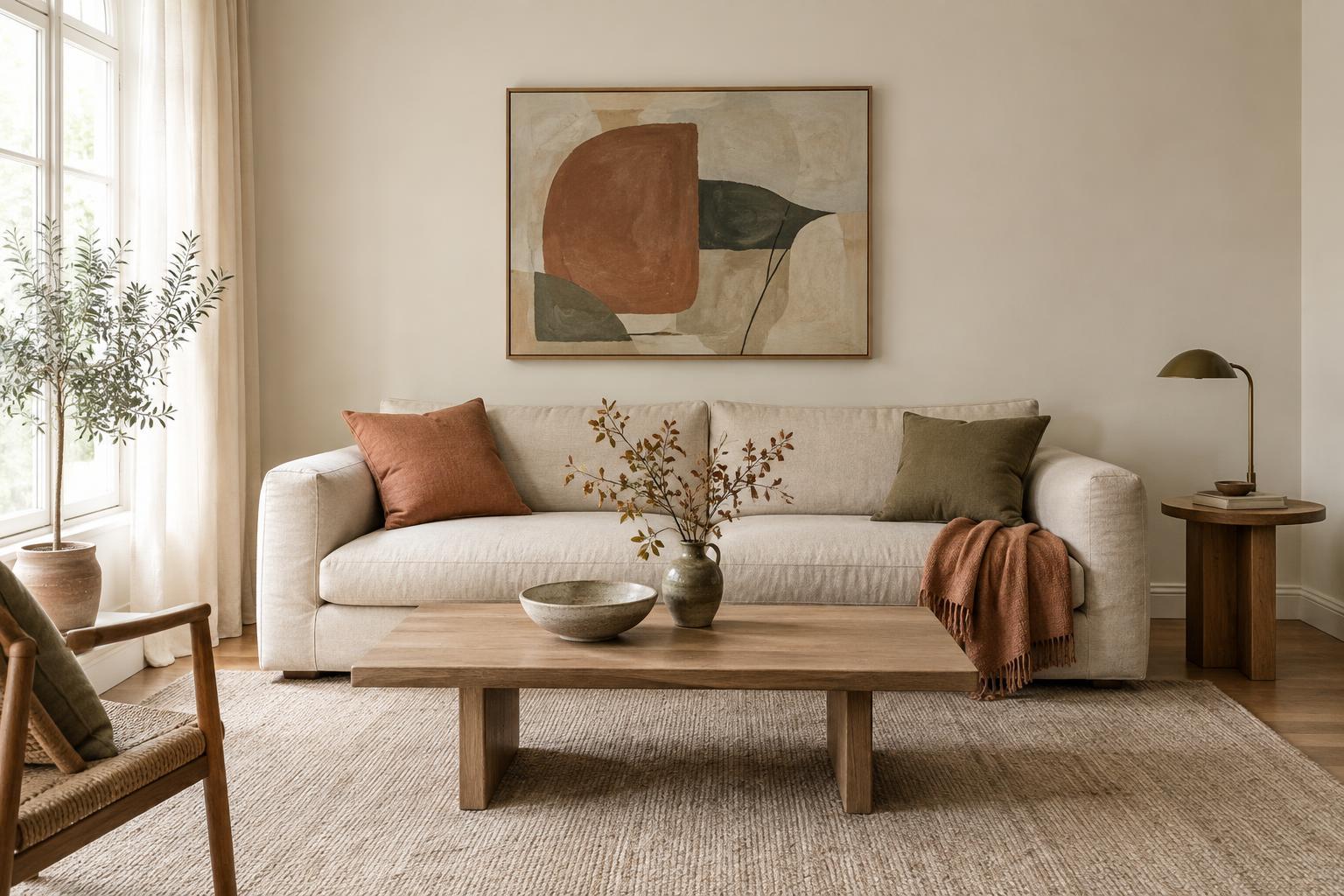
Place the largest item next. In a living room, that is often the sofa; in a bedroom, it is usually the bed. Try it on a different wall or shift it away from its usual position, then consider what it faces. A fireplace, window or artwork can provide a focal point, but the room does not need to revolve around one feature. In a shared space, you may get a more useful result by positioning seating for conversation and letting the view or screen sit slightly to one side.
Bring pieces into a useful relationship
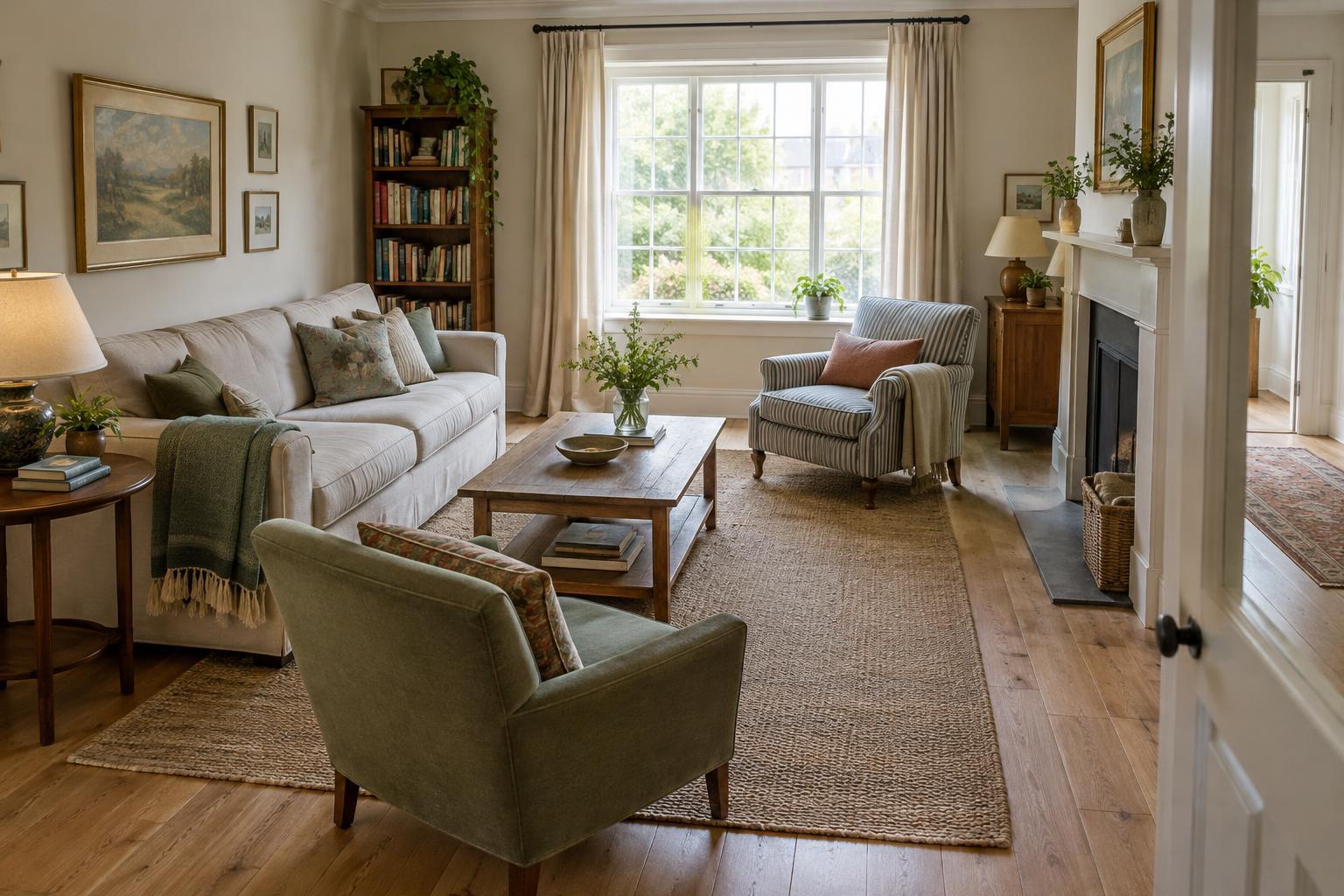
Furniture often feels disconnected when every piece is pushed against a wall. If the room allows, pull a sofa or chair forward a little and position a smaller piece nearby to make a comfortable place to sit. A side table is most useful where someone can reach it; a reading chair works better when there is convenient light. Check sightlines from each seat as well as from the doorway. You should be able to look into the room without seeing only the backs of tall furniture.
Try swapping the roles of pieces you already own. A small table from another room might serve as a bedside surface, while a sturdy stool could sit beside a chair. A bench might work at the foot of a bed or along a wall where it will not interrupt movement. Keep the furniture’s everyday purpose in mind: an attractive arrangement will quickly become frustrating if it leaves you nowhere practical to set a book or turn on a lamp.
Use spacing and height to change the feel
You do not have to move every piece to make a noticeable difference. Repositioning one chair can open a route; moving a low cabinet away from a window can let more light into the room. Compare the height of neighbouring pieces as you work. A cluster of tall furniture may make one corner feel crowded, while a mix of lower and taller shapes usually gives the eye more places to rest.
Once the main furniture is in place, bring back smaller items selectively. Place a lamp where it supports an activity, not simply where it stood before. Try a different spot for a rug if you have one, checking that it helps define the seating area without creating an awkward edge in a walking path. Cushions, throws and decorative objects can then reinforce the layout, but let the furniture arrangement do the main work.
Live with the layout before deciding
A new arrangement can look promising from one angle yet feel awkward during an ordinary evening. Use the room for a few days and notice what happens. Can you reach the things you need? Does anyone have to move a chair to pass? Do doors and storage still work easily? Small adjustments often matter more than another complete rearrangement.
If the first attempt does not work, return to your original priority rather than moving pieces at random. You may need to rotate a table, widen a path or put one item back where it began. A refresh does not require every object to find a new home. The aim is a room that feels comfortable, looks considered and works better with the furniture you already have.