Start with the change you want to feel
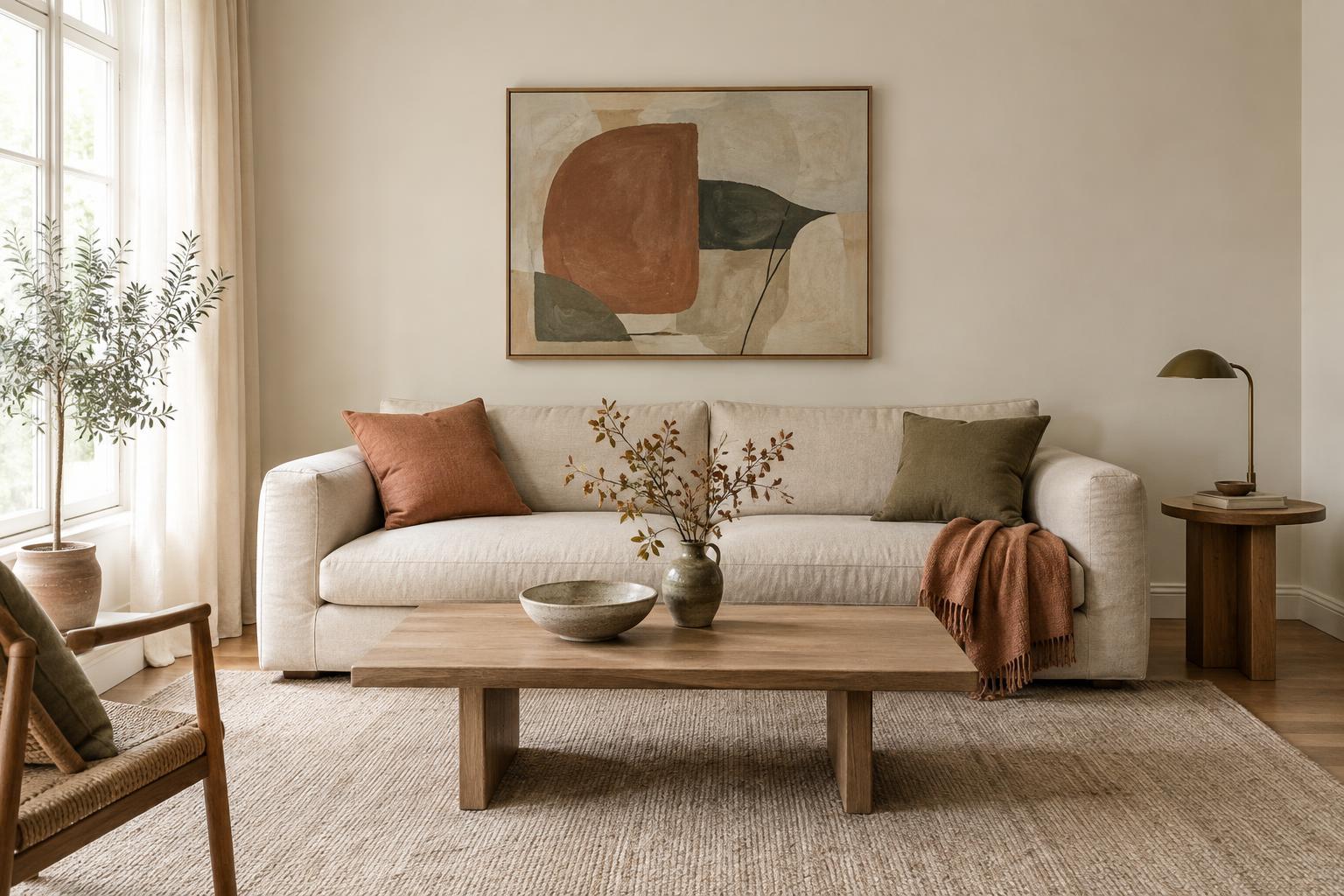
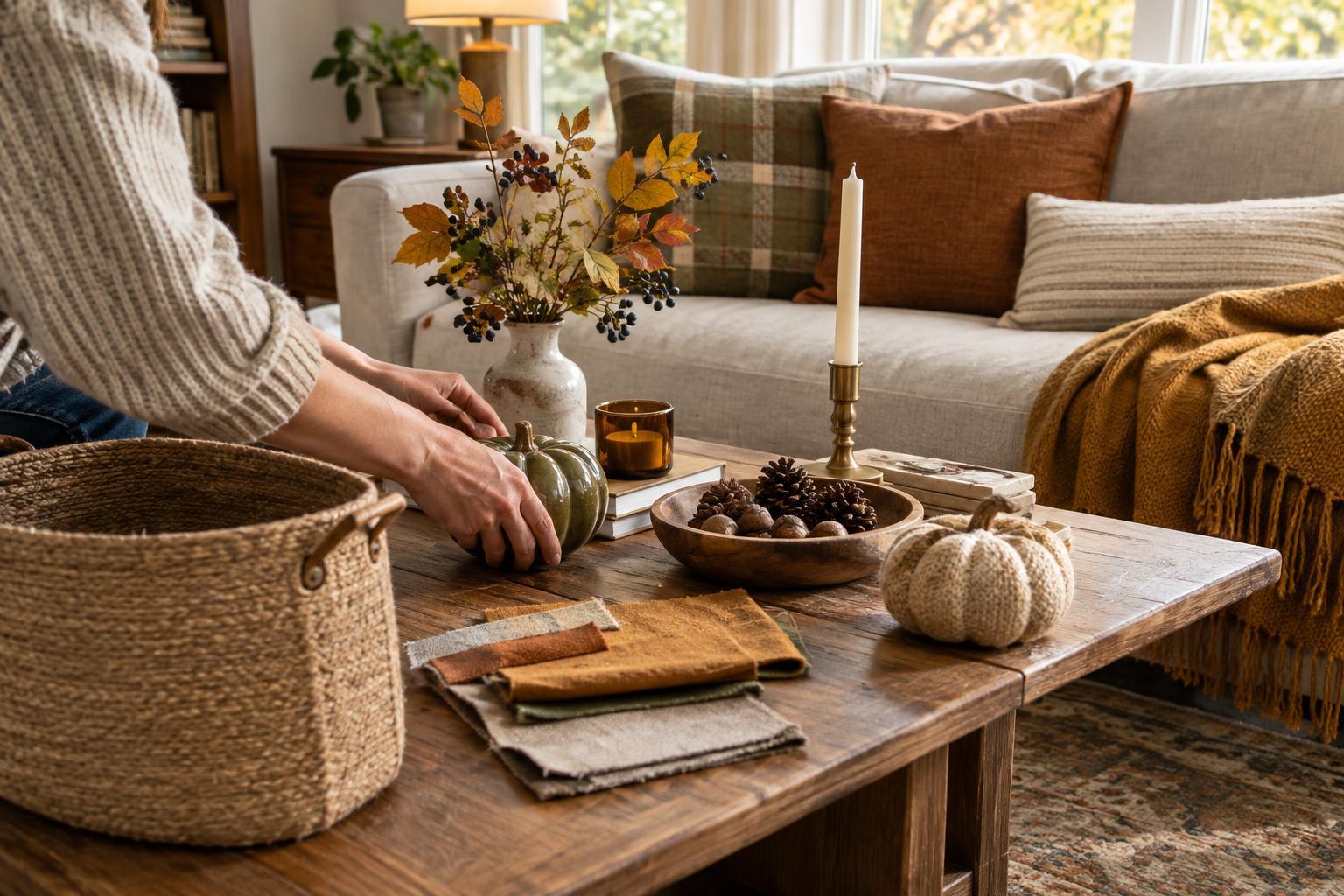
Before setting a budget, decide what the room needs. A seasonal change might mean making a living room feel warmer in autumn, lighter in spring or more welcoming when guests visit. Write down two or three words for the effect you want, then identify the surfaces and textiles most likely to create it. A different throw, a changed cushion arrangement or a few branches in a vase may do more than a basket of small ornaments.
Take a quick look around before shopping. Note the colours, materials and decorative objects you already have, including anything stored away. Moving a lamp, swapping covers between rooms or gathering similar objects on one tray can give familiar pieces a fresh role. This inventory helps you see whether there is a genuine gap to fill or simply an opportunity to use what you own differently.
Choose a limit that covers the whole refresh
Set a total amount you are comfortable spending after considering your other household priorities. It does not need to match anyone else’s budget, and spending nothing is a valid choice. Keep the limit visible while you plan, rather than deciding whether each appealing item is affordable on its own. Several inexpensive purchases can add up to a refresh you did not intend.
List any likely extras alongside the main item: cushion inserts, hooks for a garland, batteries for lights, replacement candles or storage containers. Delivery costs may matter too. Leave a little room within your limit for these details, or choose a simpler plan if they take up more than expected. A budget is easier to follow when it reflects the complete setup, not just the price tags on decorations.
If you decorate for several seasons, think about where this refresh fits in the year. You may prefer one considered purchase for the season you enjoy most and smaller changes at other times. That approach can be more satisfying than buying a little for every occasion without a clear plan.
Separate useful additions from momentary attractions
Make a short list with three categories: use what you own, buy if needed and leave for later. Put items in the buy category only when they solve a specific problem. For example, neutral cushion covers may help existing cushions suit several seasons, while a second set of similar ornaments might not change the room much. This distinction makes it easier to admire something without bringing it home.
For each potential purchase, ask where it will go, what it will sit beside and how often you expect to use it. Consider its size as well as its price. A large wreath may look appealing in a shop but overwhelm a narrow door or require storage you do not have. A small, well-placed object can be a better fit if it works with the room’s colours and proportions.
It also helps to pause before buying a piece simply because it matches a seasonal theme. If you can picture it in your home next year, or in more than one arrangement, it may earn its place. If its appeal depends on a display you cannot easily recreate, leave it on the list and revisit the decision later.
Spend where the change will be most noticeable
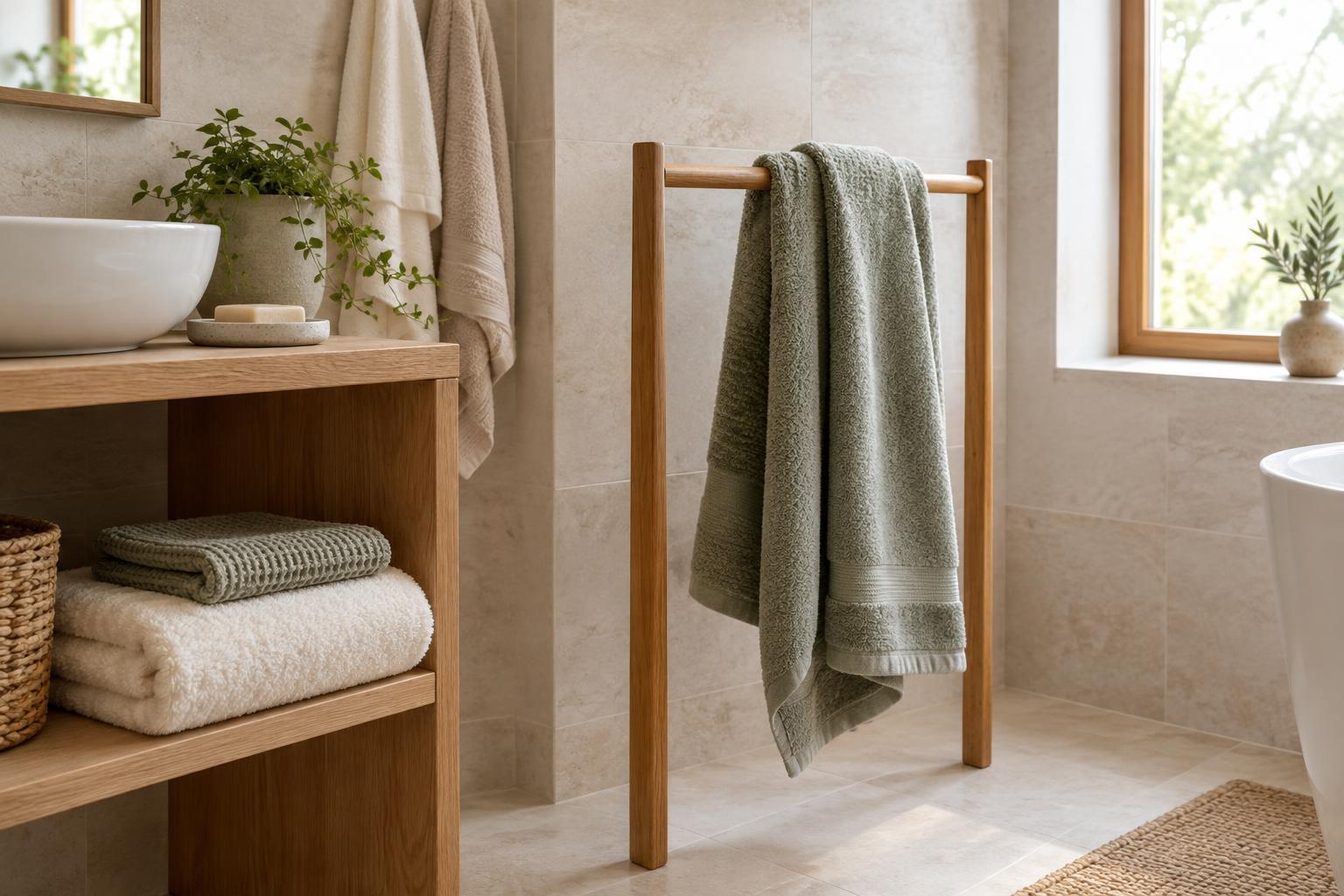
Prioritise the areas you use and see most often. In a living room, textiles can change the mood across a broad area; in an entryway, one arrangement on a console may be enough. Choose a focal point rather than spreading small purchases across every shelf. Repetition can make modest changes feel intentional: carry one colour or material through a throw, a cushion cover and a simple decorative accent.
When comparing options, look beyond the initial cost. Check whether a textile is easy to care for, whether a decorative piece feels sturdy enough to store and reuse, and whether its colours work with your everyday furnishings. Versatile pieces need not be plain, but they should suit more than one possible arrangement. Save strongly themed purchases for those you genuinely enjoy displaying, not those that merely seem expected.
Finish the plan before you shop
Put your chosen items, estimated costs and intended locations on one short list. Remove anything that duplicates what you own or has no clear place. If the list exceeds your limit, keep the item with the greatest visual or practical impact and postpone the rest. You can complete the refresh, live with it for a few days and then decide whether anything still feels missing.
After the season, note what you actually used and enjoyed. Store reusable pieces where you can find them, and let go of items you consistently skip. Those observations will make the next budget easier to set. The goal is not a perfectly decorated home every season; it is a comfortable space that changes in ways you value.