What rug pile changes
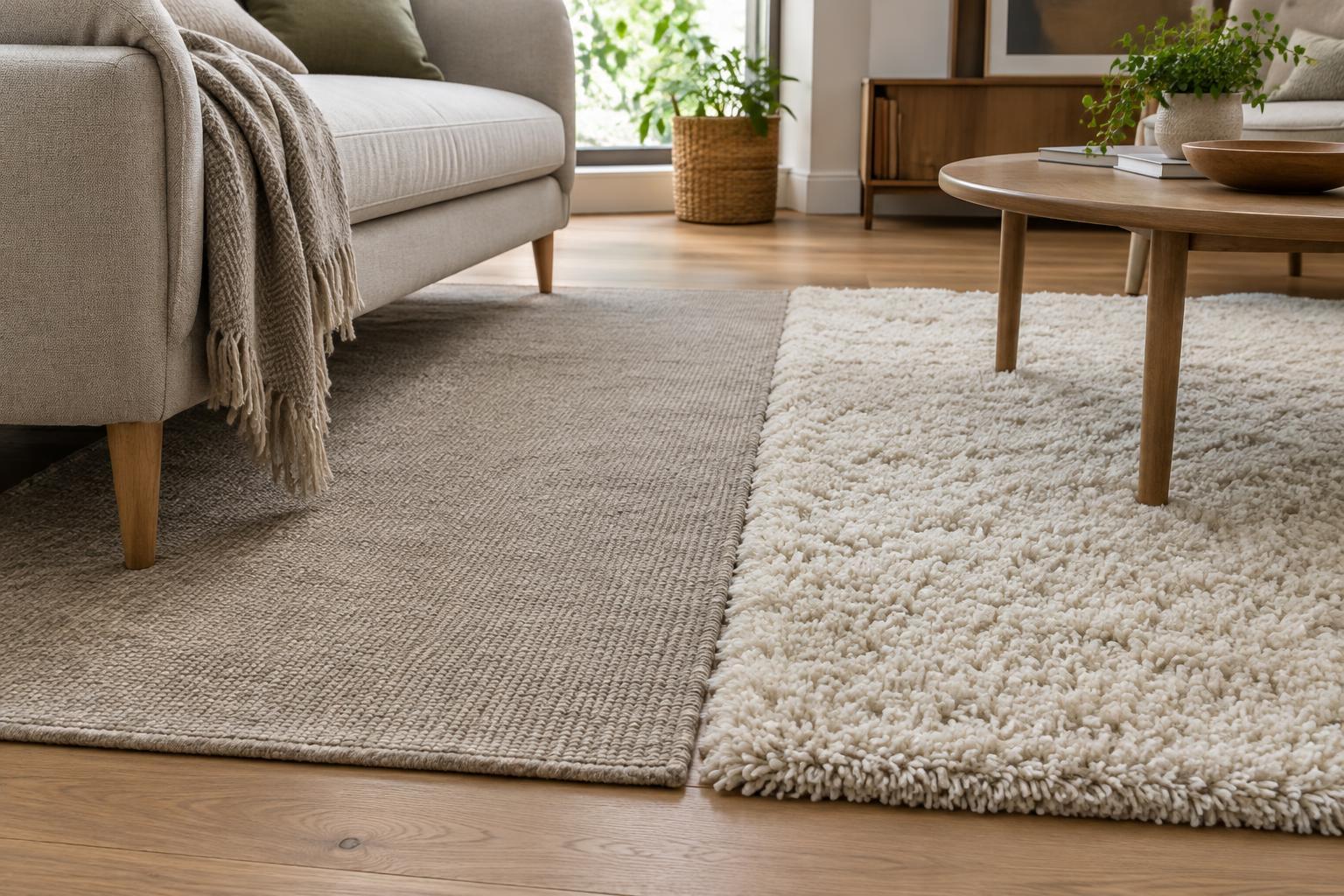
Pile is the visible surface of a rug: the fibres that rise above its backing. A low-pile rug has a relatively short, close surface, while a high-pile rug has longer fibres and a deeper feel. Pile height is only one part of the decision. Fibre, weave, density and construction also affect how a rug looks, wears and responds to cleaning. Two rugs described as low-pile may feel quite different when you touch them.
Start with what the room needs the rug to do. Is it a soft place for bare feet, a surface beneath frequently moved chairs, or an anchor for furniture in a busy room? Then consider how much loose dirt the area receives and how easily you can reach the rug with a vacuum. Choosing by use first helps you enjoy the texture without making everyday upkeep harder.
Comfort: softness versus a steady surface
High-pile rugs can make a space feel warm and inviting. Their longer fibres offer a cushioned sensation that often suits a bedroom or a quiet seating area. They also add visible texture, which can soften the look of rooms with smooth floors, simple furniture and few other textiles. If you like to sit on the floor, try the rug in person when possible: pile height alone does not tell you how supportive it will feel.
Low-pile rugs feel flatter and firmer underfoot. They may be a better match where people need stable footing or where chairs, tables and other furniture are moved often. A short pile can still feel comfortable, particularly when the rug has a substantial construction or is paired with a suitable pad. If you are deciding between two textures, think about comfort during the activity that happens most often in the space, not just the first impression of softness.
Cleaning and everyday maintenance
A low-pile surface generally makes crumbs, dust and tracked-in dirt easier to spot and reach. That can be useful in dining rooms, entry-adjacent spaces and homes where the rug needs frequent attention. High pile offers a softer appearance but can hold small debris deeper among its fibres. It may take more time to vacuum thoroughly, especially around furniture legs and along the edges.
Neither pile height guarantees easy care. Cleaning instructions depend on the rug’s fibre and construction, so check the maker’s guidance before using water, cleaning products or a vacuum attachment. For a high-pile rug, make sure your vacuum can move across the surface without catching or pulling fibres. For either type, deal with spills promptly according to the care instructions and lift or move furniture occasionally so you can clean the floor and rug edges underneath.
Where each pile height works best
Low pile is often the simpler choice beneath a dining table because chair legs can move across it more readily. It also tends to be practical in a hallway, home office or living room with frequent foot traffic. Before buying, check the rug’s total thickness, including any pad: a rug that looks slim may still interfere with a swinging door. Make sure its edges lie flat and that it stays in place on your floor.
High pile can work well beside a bed or in a low-traffic corner where softness matters more than easy chair movement. Under a coffee table, it can add contrast to a simple seating arrangement, though a very deep pile may make small tables less steady. If the rug will sit partly beneath a sofa, check how the furniture legs settle into it and whether the exposed area leaves enough room to enjoy the texture. In any placement, choose a rug large enough to look intentional rather than selecting by pile alone.
Make the final choice in your own space
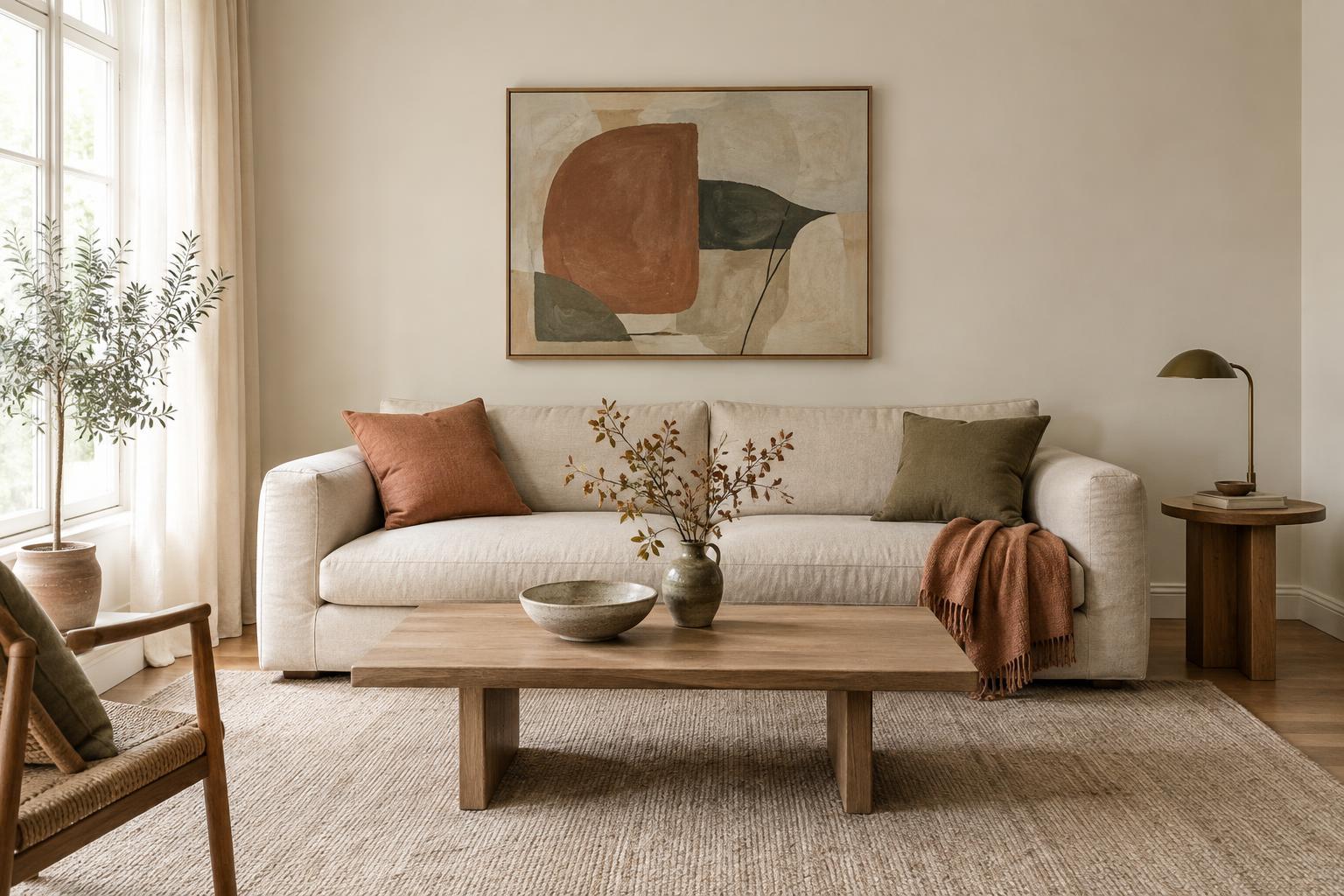
Compare samples against the floor, upholstery and other textiles already in the room. A high-pile rug introduces a strong texture, so it may be enough to keep nearby throws and cushions visually simple. A low-pile rug provides a quieter base and can let patterned curtains or layered cushions take the lead. Colour matters for upkeep too: consider how visible everyday dust, lint and marks will be on the shade you choose.
Before committing, list the room’s main demands: bare-foot comfort, moving furniture, likely spills, door clearance and the time you want to spend cleaning. If several demands compete, a medium or low pile with a rug pad may offer a useful compromise. The right choice is not the plushest or the easiest to vacuum in isolation; it is the rug that feels good and remains manageable where you actually use it.