Start with the room, not the furniture
A sectional and a sofa with chairs can offer similar numbers of seats but make a room feel quite different. A sectional groups everyone in one continuous arrangement. A sofa and chairs spread seating across the room, often creating more ways to face one another. The better choice depends less on a particular style and more on how people use the space.
Before shopping, sketch the room and mark doors, windows, radiators, outlets and any paths people regularly take. Measure the available floor area, then check the full dimensions of possible pieces, including chaise extensions and the space needed to walk around them. A sectional that fits along a wall may still interrupt the route to a doorway. Equally, two chairs may take up more usable floor space than expected once they are angled for comfort. Use tape on the floor to see where furniture edges would land before committing to either layout.
When a sectional works well
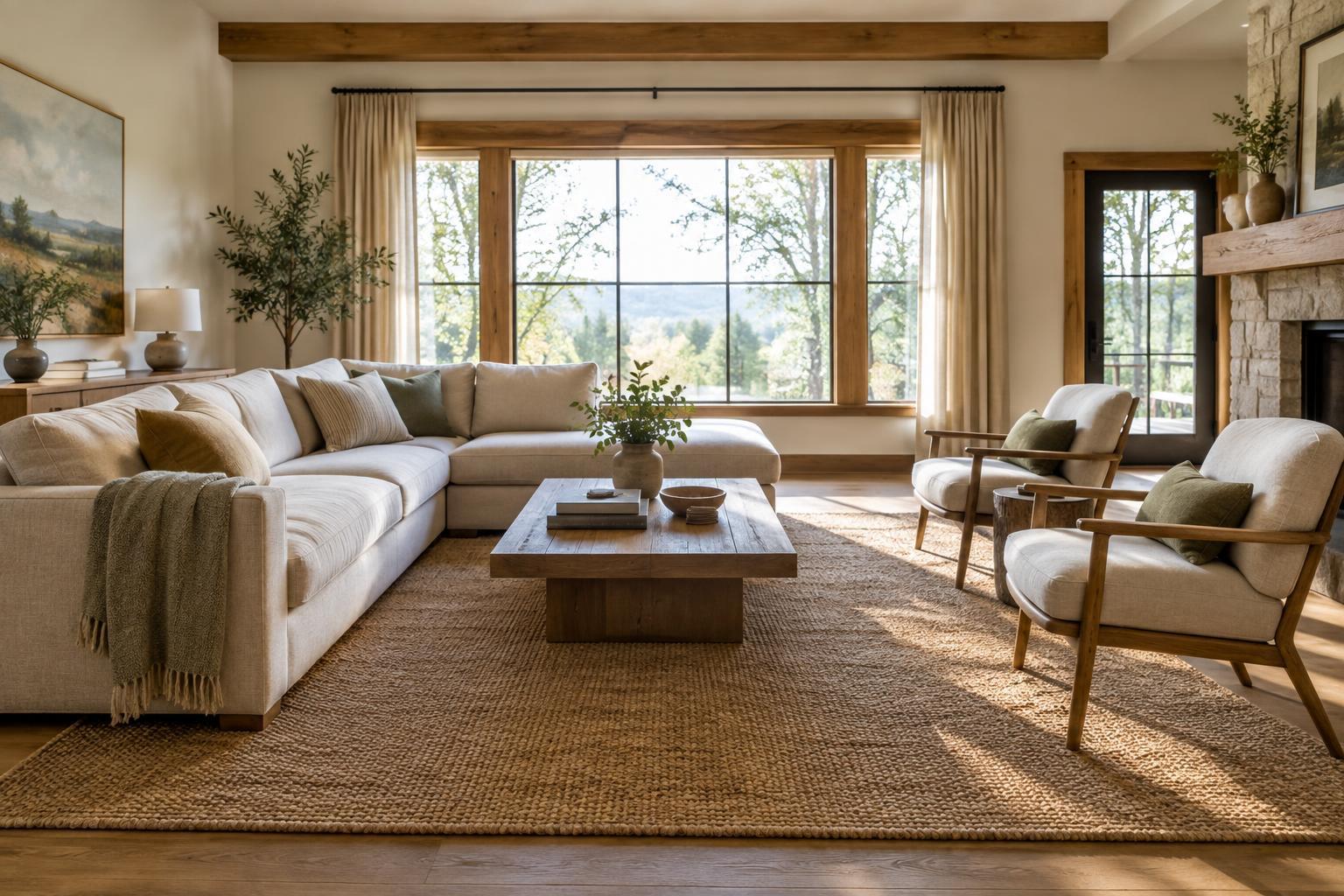
A sectional can be a good fit when the living room is used mainly for stretching out, watching films or relaxing together. Its connected shape gives several people a shared place to settle and can define a lounge area in an open-plan room. In a room with one clear seating corner, it may also simplify the layout: one substantial piece does much of the work.
Pay attention to which side the chaise or return occupies. It should support the room’s natural shape rather than block an entrance or leave someone walking around a long upholstered edge. A sectional can look inviting, but its footprint is less adaptable than separate pieces. If you expect to rearrange the room often, move home, or use the floor area for other activities, check whether its sections can be separated and how they connect.
When a sofa and chairs work better
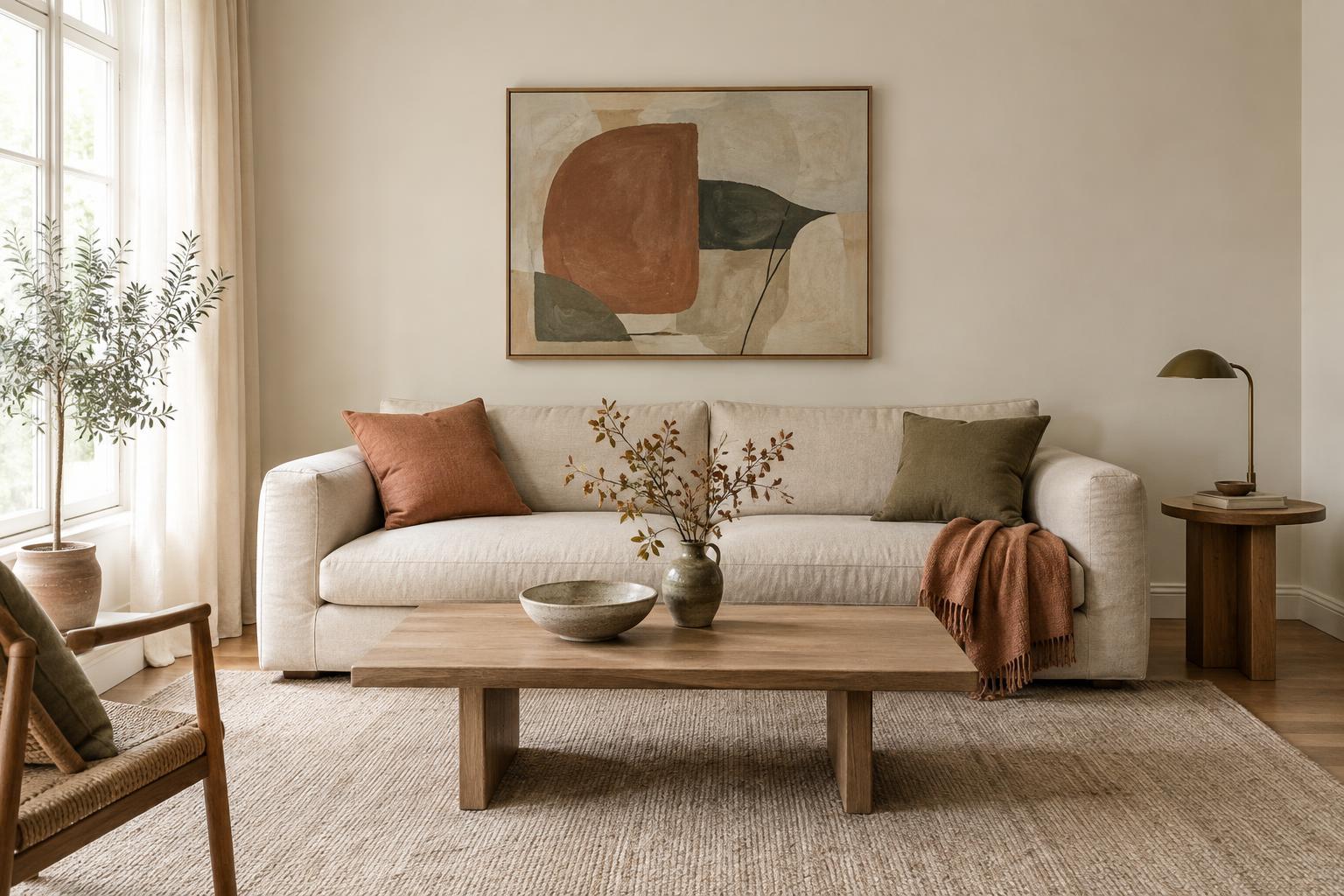
A sofa with one or two chairs is useful when conversation matters or the room has several focal points. Chairs can face the sofa for guests, turn toward a window for reading or sit near a fireplace without requiring the sofa to move. Separate pieces can also help in an awkward room: a compact chair may fit into a spot where a sectional return would feel bulky.
This arrangement offers flexibility, but it needs careful spacing to feel like one seating area. Keep chairs close enough that people can talk without raising their voices, and give each seat a practical place for a drink or book. If a chair is pushed far into a corner simply to make everything fit, it may rarely be used. In a small room, one comfortable chair can be more effective than squeezing in a matching pair.
Compare everyday comfort and visual balance
Think about how many people usually sit down at once, not just how many you host occasionally. A chaise may be a favourite lounging spot, yet it is not always as convenient for upright conversation as a separate chair. Consider whether people like to sit side by side, face each other, put their feet up or have space to themselves. The layout should make the most common activity easy, rather than prioritising an occasional gathering.
Visual weight matters too. A large sectional can anchor a room, especially if it is balanced by an appropriately sized rug, coffee table or artwork. In a narrow room, the same piece may dominate. A sofa and chairs can feel lighter because gaps remain between the pieces, although too many small items can make the space look scattered. You need not buy a matching set: repeating a colour, fabric texture or wood tone can make different seats feel connected.
Make a choice you can test
Try two floor plans at the same scale. In the first, draw the sectional with its chaise on the correct side. In the second, place a sofa and chairs where they would actually be used. For each plan, trace the route from the entrance to the seats and to any doors beyond. Check whether someone can sit down or stand up without moving a table, and whether the main seats have a comfortable view of the room’s focal point.
Choose a sectional if a shared lounging area is the priority and its shape leaves circulation clear. Choose a sofa and chairs if you value conversation, varied seating positions or the freedom to rearrange. If neither plan feels comfortable, reconsider the size of the pieces rather than forcing the layout. A slightly smaller sofa or a single well-placed chair may give the room more breathing space while still providing the seating you use most.